
Surfing in Leeward Islands
Surfing guide to Leeward Islands, Caribbean
Leeward Islands has 3 main surf areas. There are 33 surf spots and 1 surf holidays. Go explore!


Overview of surfing in Leeward Islands
 The Leeward Islands are a picture-perfect chain of Caribbean islands stretching from the Virgin Islands down to Guadeloupe, offering warm water, coral reefs, volcanic headlands, world-class bays, and a surprisingly consistent mix of beach breaks, reef passes, and pointbreaks.
While the Caribbean isn’t always known for everyday swell, the Leewards light up during the North Atlantic winter season, when distant storms send long-period swell south into sheltered coves, reefs, and bays. This is the magic window when waves wrap around islands like St. Martin, St. Barts, Antigua, and Guadeloupe, creating flawless rights and lefts in electric-blue water.

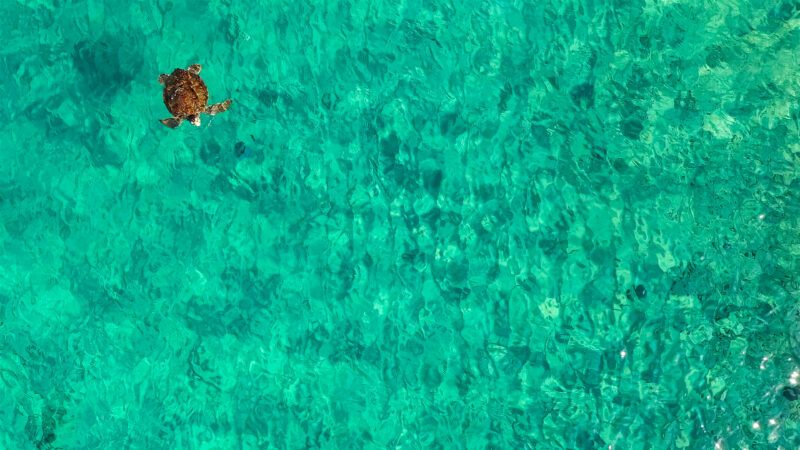
The vibe is pure paradise: coconut palms, colorful fishing villages, rum punches, reggae drifting over the breeze, and surf sessions with turtles gliding through crystal-clear water. Some islands have developed surf cultures (Guadeloupe, St. Martin), while others feel untouched and empty.
This region is best for intermediate to advanced surfers on winter swells, but beginners can still score mellow rollers in certain protected beaches. Warm water, vibrant culture, incredible snorkeling, and stunning landscapes make the Leewards one of the most blissful places on Earth to surf — when the swell hits, it’s unforgettable.
Surf Regions in the Leeward Islands

The Caribbean Sea and Atlantic Ocean define the region’s surf, shaping the waves and weather patterns across the various islands.
Virgin Islands (USVI + BVI)
Reef breaks, playful rights, and incredibly scenic bays with crystal-clear water.
St. Martin & St. Maarten
A mix of beach breaks and reefs with the region’s most reliable winter surf.
St. Barts
High-end paradise with fun reef breaks, fast walls, and clean lines.
St. Kitts & Nevis
Quiet, uncrowded surf spots with reef setups and sandbars.
Antigua & Barbuda
Beautiful reef breaks, wide-open beautiful beaches, and mellow crowds.
Montserrat
Remote, volcanic, and filled with empty, dramatic surf zones.
The exposed islands of Marie Galante and La Désirade are directly influenced by swells from the Atlantic Ocean, making them excellent for surfers seeking consistent waves.
Guadeloupe (Grande-Terre & Basse-Terre)
The most consistent island in the Leewards, with Grand Terre offering prime spots and offshore features that create world-class reef breaks and a thriving surf culture.
Surf conditions vary widely across the various islands, with each offering unique breaks, swell sources, and experiences for every level of surfer.

Getting there
The Good
- Warm, turquoise waters year-round
- Stunning tropical scenery
- Reef breaks with incredible clarity
- Uncrowded compared to bigger surf destinations
- Great winter swell consistency
- The region offers consistently good waves for all levels
- Wide variety of surf breaks to explore
- Surf camps available for all skill levels
- Easy access to rental gear and equipment
- Diving is another popular water activity
- Trade winds shape surf conditions, offering both sheltered and exposed spots
- Easy island-hopping
- Perfect for mixed surf + holiday travel
- Friendly, relaxed surf community
The Bad
- Swell is seasonal
- Shallow reefs at many breaks; some spots have sandbars, but always check the bottom conditions.
- Some islands require cars or boats to access surf
- Trade winds affect afternoons
- Hurricanes in late summer, with the season peaking in August
- Expensive on certain islands (St. Barts, Virgin Islands); airport taxes and fees can add to overall travel costs
- Travel insurance is important, especially during hurricane season
Getting There and Access
Major airports:
- St. Thomas (STT)
- St. Maarten (SXM)
- Antigua (ANU) / V.C. Bird International (ANU)
- Guadeloupe (PTP)
Flights from the US East Coast are available to several islands, making it convenient to plan your surf trip. When organizing your trip, be sure to book flights, transportation, and accommodations in advance for a smooth experience.
Inter-island ferries connect many islands. Rental cars are extremely helpful. Most breaks are accessible by paved or dirt roads; some of the best point breaks require a short hike or boat ride.
Crowds
Virgin Islands: light
St. Martin: moderate
St. Barts: moderate to heavy in peak winter
Antigua: light
Guadeloupe: moderate around main breaks
Montserrat: empty
Holiday season = more surfers
Outside winter = super quiet
Lineup Lowdown
- Respect locals and surf schools, especially around popular beaches
- Never drop in at tight reef peaks
- Ask for channel directions before entering reef breaks
- Avoid standing on coral
- Surf early before trade winds pick up
- Smile, chat, and enjoy the laid-back island vibe
Politeness goes far in the Caribbean — people appreciate good energy.
Surf seasons and when to go
The best time of the year to surf in Leeward Islands
Surf Seasons and When to Go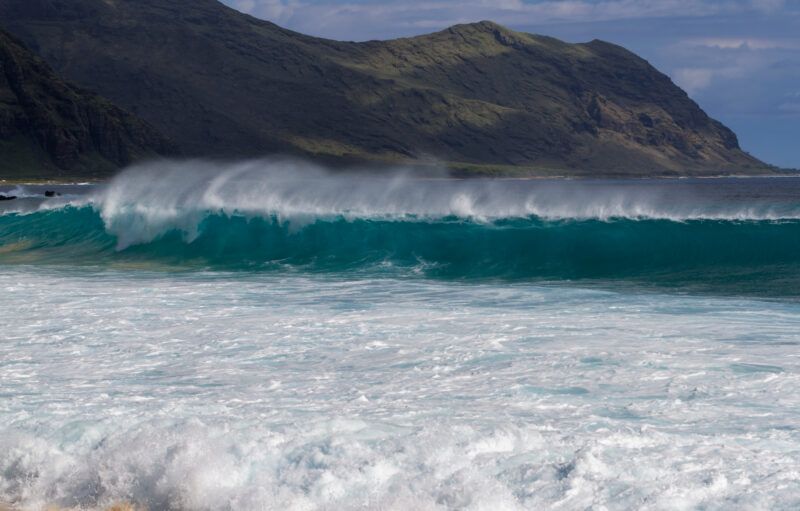
Best season: December–March Powered by North Atlantic winter swells
Clean, long-period waves
Perfect for reefs and points
Winter swells can produce double overhead waves at exposed spots, especially when offshore winds are present.
Shoulder season: November & April Can be excellent on the right storm systems
Summer: June–Sept Generally small, except during hurricanes or tropical systems
Hot and glassy mornings
August can see good surf from offshore hurricane swells, making it a secondary but viable time for surfing.
Hurricane season: Aug–Oct Risky but can produce world-class, rare waves
Hurricane swells can bring rare, world-class waves to the island, with offshore conditions enhancing wave quality.
Best chance for quality: January–March
Guadeloupe is one of the East Caribbean’s most consistent surf destinations, offering reliable surf conditions throughout the year.
Water Temperatures and Weather
Water: 26–29°C year-round, with temperatures influenced by both the Caribbean Sea and the Atlantic Ocean.
Air temps: 27–32°C
No wetsuit needed
Trade winds pick up midday
The ocean’s warmth and clarity, shaped by the surrounding Caribbean Sea and the open Atlantic Ocean, are a major draw for surfers. Tropical, warm, and beautiful every month.
Can’t-Miss Surf Spots

Virgin Islands (USVI & BVI)
Apple Bay (Tortola)
The most famous wave in the Virgin Islands. A right-hand reefbreak that offers fast, peeling sections over crystal-clear water, with talcum-colored sand lining the shore and vibrant turquoise waters enhancing the scenery. Works best in solid north swells. Friendly but can get crowded with travelling surfers.
Cane Garden Bay (Tortola)
A long, wrapping right-hander in a stunning, protected bay. The white sand beach and turquoise waters make it especially picturesque. Perfect on clean north swells and great for intermediate surfers.
Hull Bay (St. Thomas)
A fun, peaky reef break with mellow takeoffs and a friendly lineup. Known for its good waves for all levels, it’s perfect for smaller swells and cruisy longboard sessions.
Surfing at sunset in the Virgin Islands is truly magical, with the sky reflecting off the turquoise waters and the sand glowing in the evening light.
St. Martin & St. Maarten
Le Galion
A super fun, beginner-friendly beach break with soft sand and turquoise waters. Ideal for longboards and early progression.
Guana Bay
A more powerful beach break exposed to trade winds, offering a variety of surf breaks and consistently good waves. Best early in the morning before winds pick up. Can get hollow on the right swell direction.
Wilderness / Baie aux Prunes
Fast, powerful right and left reef peaks for advanced surfers. Works well on solid winter swell. Empty on weekdays.
St. Barts
Toiny
A powerful left-hand reefbreak that turns on during bigger north swells. Clean walls, fast sections, and a mix of barrels + rippable lines. Known for consistently good waves, it’s best suited for intermediate to advanced surfers.
Lorients Bay
Sheltered, mellow, playful waves perfect for longboarding. Fun for all levels, with good waves that make it a reliable spot year-round.
Flamands
A beach break with punchy peaks, especially on strong north swell pulses. The shoreline features beautiful white sand and stunning turquoise waters, adding to the spot’s scenic appeal.
St. Kitts & Nevis
Pump Bay (Nevis)
A friendly, consistent left-hand wave ideal for intermediates. Works on small to medium swell.
Conaree Beach (St. Kitts)
A lesser-known sandbar with a sandy bottom that gets fun peaks and good waves when north swell wraps into the channel.
Antigua & Barbuda
Half Moon Bay
A long, wrapping left that fires on proper north swells. The talcum-colored sand and beautiful beaches add to its scenic and iconic appeal. Hurricane swells can produce big days here.
Galley Bay
A fun, punchy beach and reef combo that offers playful rights and lefts. The white sand shoreline and beautiful beaches make it a favorite for both surfers and sunbathers.
Barbuda North Shore
Shallow, perfect, empty reef peaks for adventurous surfers. Unreal water clarity and consistently good waves, especially when hurricane swells roll in.
Palmetto Point
A premier point break known for powerful barrels, especially during hurricane swells. Palmetto Point is a standout for surfers seeking high-quality waves and is considered one of the best point breaks in the region.
Montserrat
Woodlands Bay
A lone, powerful left-hand reefbreak framed by volcanic cliffs. Hardly anyone surfs here — extremely scenic and soulful.
Guadeloupe
Le Moule (Grand Terre)
Located on Grand Terre, Le Moule is one of the prime spots in Guadeloupe, known for its most consistent and famous wave — a right-hand reef with hollow sections and long walls. Offshore features help create world-class conditions, though it can get crowded during peak swell.
Port Louis (Grand Terre)
Port Louis is a notable reef break on Grand Terre, offering both right and left waves, especially during the winter season. It attracts surfers of various skill levels and is considered one of the top surf destinations on the island.
Anse Salabouelle
Situated on the south coast, Anse Salabouelle is a mellow beach break great for beginners and longboarders on small swells.
St. François Reef
Located on the eastern end of Grand Terre, St. François Reef is a beautiful, technical wave that forms fast walls and barrels on the right tide. Clear water, advanced surfers only.
Basse-Terre West Coast
More sheltered and mellow, ideal for cruisy sessions and longboarding.
Turtle Bay is considered the best surf spot on the whole island, thanks to its prime wave conditions and unique geographical features on the southern side.
Guadeloupe, as a French territory, blends French and Creole culture, adding a unique flavour to the surf experience. The island offers a variety of surf breaks on both the east and west coasts, catering to all skill levels and preferences.

Leeward Islands surf travel guide
Find trips that fit a flexible lifestyle
Learning to Surf in the Leeward Islands
Best beginner beaches:
- Le Galion (St. Martin)
- Lorients Bay (St. Barts)
- Hull Bay (USVI)
- Anse Salabouelle (Guadeloupe)
- Conaree Beach (St. Kitts, small days)
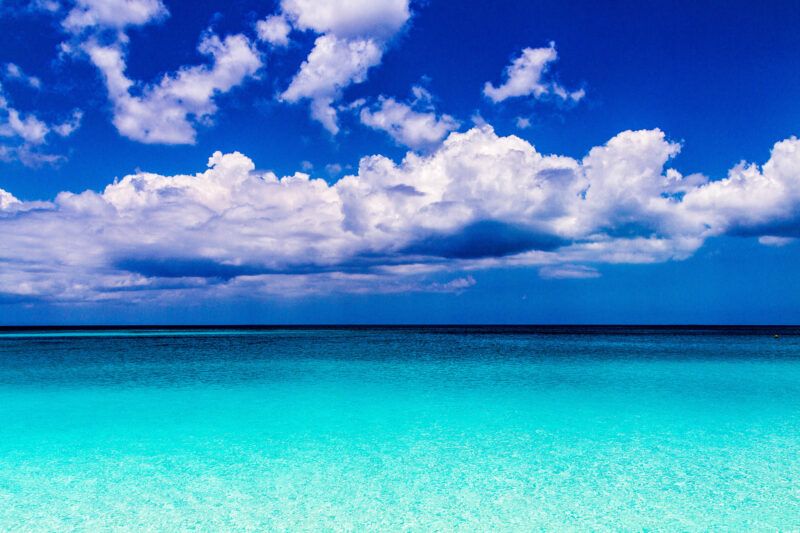
Warm water and mellow bays make learning comfortable, and the region offers consistently good waves for learning.
Surf camps are available for beginners, providing comprehensive packages with lessons, accommodations, and guided surf experiences.
Lessons: AU$40–100
Rentals: AU$20–40/day (all necessary gear available for rent)
Safety and Etiquette
- Sharp coral = avoid touching bottom
- Reef cuts need cleaning immediately
- Strong ocean currents at exposed reef passes
- Sea urchins common
- Consider travel insurance for medical emergencies
- Respect locals + surf school zones
- Winds pick up quickly
- Some areas have strong rip channels
Always ask about channels, tides, and hazards before paddling out.
Surf and Yoga Retreats

Popular in:
- Guadeloupe
- St. Martin
- St. Barts
- USVI eco-lodges
- Antigua wellness retreats
Retreats include:
- Yoga + surf combo
- Tropical meals
- Guided reef sessions
- Snorkeling + SUP
- Diving
- Island-hopping adventures
Surf camps are also a popular option for immersive surf experiences, offering packages with accommodations, lessons, and access to prime surf breaks.
Prices: AU$1,000–4,000/week
Luxury varies widely depending on island.
Accommodation Options for Surfers
Budget hostels: AU$50–100
Surf camp: AU$100–200 (great value for surf-focused trips, often including lessons, accommodations, and amenities)
Mid-range hotels: AU$150–300
Boutique villas: AU$300–600
Luxury resorts (St. Barts, Antigua, USVI): AU$600–1,500+
Guadeloupe = best value
St. Barts = premium
Virgin Islands = mid to high
When planning your trip, consider surf camps as a convenient and cost-effective option, especially if you want to maximize your surfing experience.
Comparison to Other Surf Destinations

Leeward Islands vs Windward Islands:
- More sheltered
- More reef breaks
- More luxurious islands
- Slightly less consistent swell
- Wave quality and tropical appeal can be compared to Hawaii, though the Leewards are less crowded.
- Winter swells often originate from the US East Coast and the Atlantic Ocean, impacting surf conditions.
- The East Caribbean’s islands, like Guadeloupe, are among the most consistent surf destinations in the region.
- There is significant diversity of surf across the various islands, with each offering unique conditions.
Leewards vs Central America:
- Softer waves
- Shorter rides
- Much warmer + clearer water
- Fewer crowds
Leewards vs Indo:
- Less powerful
- Easier for beginners
- Far fewer people
The Leewards are the Caribbean’s hidden surf gem.
Expenses (AUD)
Accommodation: AU$50–1,500
Food: AU$10–40
Board and gear rental: AU$20–40/day
Car hire: AU$50–120/day
Travel insurance: budget extra for coverage during your trip
Most expensive islands: St. Barts + USVI
Most affordable: Guadeloupe + St. Martin
Plan your trip budget to include all essentials like accommodation, food, gear rental, transportation, and insurance.
Cultural Notes
Expect:
- Caribbean music + dancing
- Rum punch at sunset
- Mixed cultures (French, Creole, Afro-Caribbean) in a French territory
- Laid-back island time
- Beach cafés
- Enjoying beautiful beaches as part of daily life
- Colorful wooden houses
- Fishermen with fresh-catch grills
- Friendly but relaxed pace
Smiling and being respectful always gets you good vibes.
Cell Coverage & Wi-Fi

Strong in urban areas
Weaker in remote coves
Good coverage on Guadeloupe + St. Martin
Patchy on mountainous islands
Most hotels have solid Wi-Fi
Download maps before exploring remote roads.
Final Thoughts

The Leeward Islands are a tropical surf paradise, renowned for their turquoise waters, the vast ocean views, and their unique position between the Caribbean Sea and the Atlantic Ocean. Here, you’ll find warm water, crystal-clear bays, empty reef breaks, mellow beach waves, and some of the most stunning surf scenery anywhere in the world. From the reef perfection of Le Moule and the elegance of St. Barts to the friendly waves of St. Martin, the untouched beauty of Montserrat, and the fun surf towns of Antigua and the Virgin Islands, this region offers endless magic for surfers of all levels.
Across the various islands, there is a wide variety of surf breaks, each offering consistently good waves thanks to the influence of the Atlantic Ocean and the open ocean swells. Whether you’re seeking challenging reef breaks or mellow beach waves, the Leewards deliver reliable surf conditions throughout the year.
When winter swell arrives, the Leewards can produce world-class waves in turquoise perfection — and even on small days, the beauty and vibe make every session unforgettable.
A dreamy, warm, soulful surf region made for explorers, sun-chasers, and lovers of tropical water. Start planning your surf trip to the Leeward Islands and experience the best of the Caribbean Sea and Atlantic Ocean for yourself.