Surfing in Caribbean
Caribbean has 5 main surf areas. There are 34 surf spots and 1 surf holidays. Go explore!


Overview of surfing in Caribbean

Although the Caribbean is more often associated with rum, reggae, reefs, and resorts than with barrels and beach breaks, it’s become one of the most alluring warm-water surf regions on earth. With warm waters year-round, surfers enjoy comfortable ocean temperatures no matter the season. Stretching from the Greater Antilles to the Lesser Antilles, the Caribbean sits where Atlantic power meets tropical islands, serving travelling surfers a fusion of easy island living and punchy reef waves.
While Australia is renowned for its legendary surf regions, especially the Gold Coast with its world-famous breaks and vibrant surf culture, the Caribbean stands proudly among the world’s top warm-water surf destinations. The Caribbean Sea plays a crucial role in shaping the region’s surf conditions, providing swells and influencing wave formation across the islands.
The region isn’t always cheap compared with Central America, but what you get in return is elite: turquoise water, vibrant food scenes, rich music and culture, and a mosaic of Caribbean islands with distinct identities. North Atlantic swells wrap into the northern and eastern exposures through winter, with hurricane and tropical systems juicing select spots in late summer and autumn. This consistent stream of waves, powered by Atlantic storms and trade winds, ensures reliable surf throughout the year. Add a growing surf culture, easy travel infrastructure on the main islands, and jaw-dropping scenery, and you’ve got one of the most joy-filled surf trips you can plan. To truly experience the culture and surf, you should visit the Caribbean and immerse yourself in its vibrant island scene.
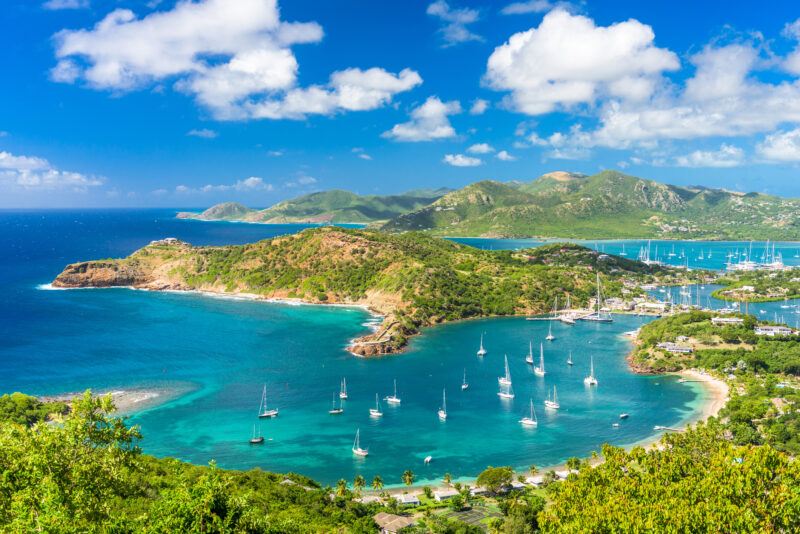
More importantly for most surfers, the Caribbean’s reefs, points, and beaches light up under a range of conditions. Barbados’ east and south coasts, Puerto Rico’s northwest, the Dominican Republic’s north shore, and the French Antilles’ rugged points provide an incredible variety of setups: punchy reef peaks, ruler-edge points, beginner-friendly rollers, and the occasional heaving slab. If Costa Rica is the surfer’s affordable playground, the Caribbean is the polished older cousin with warmer water, a bit more travel cost, but just as much stoke. The whole region is a comprehensive surfing destination, offering something for every level of surfer, and is home to amazing surf spots scattered throughout the Caribbean.
Surfing in the Caribbean is no longer niche—it’s mainstream. Events and edits from Barbados and Puerto Rico have put Soup Bowl and Rincon into every surfer’s vocabulary, and images of glassy turquoise walls lure wave chasers from across the globe. The region is home to iconic contests and a proud island surf heritage. Towns like Bathsheba, Rincon, and Cabarete buzz with surf schools, board shops, and cafés full of sandy-haired groms. The Caribbean surf scene is vibrant, stylish, and proud of its Atlantic-tropical DNA.
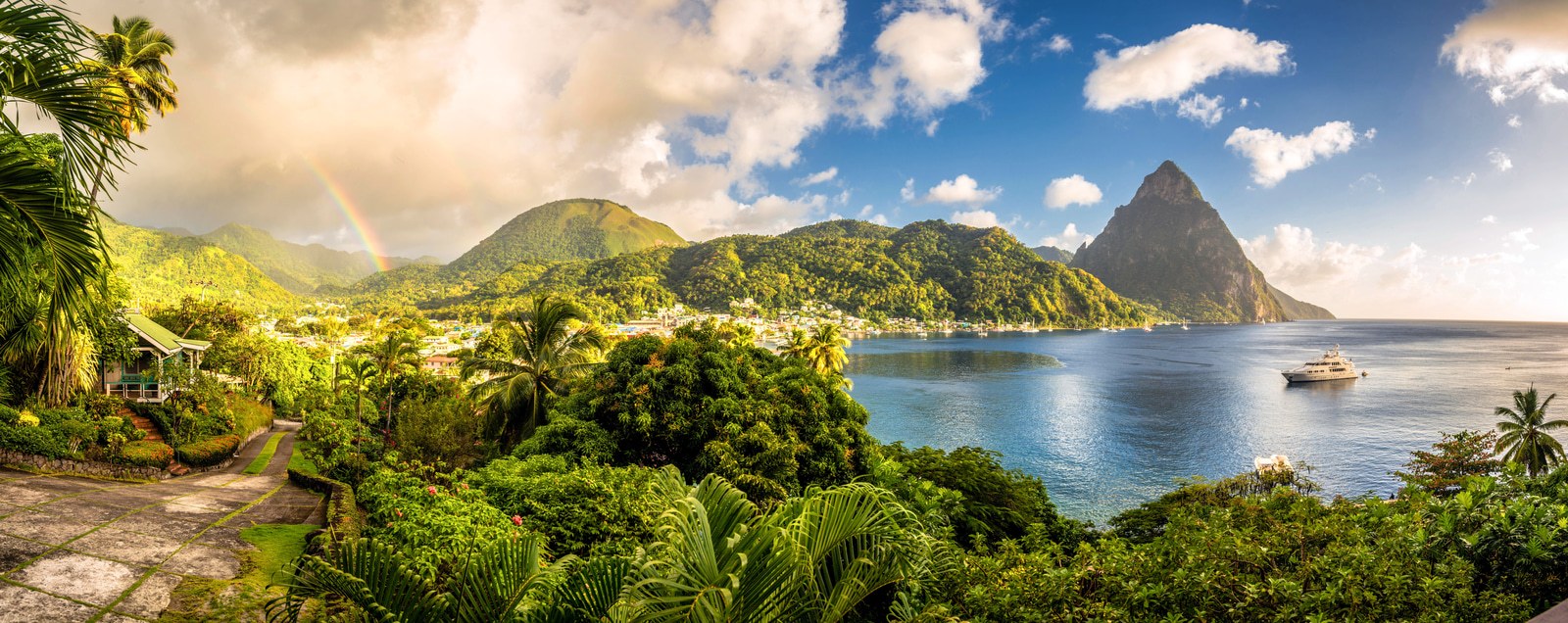
Surf Regions in the Caribbean
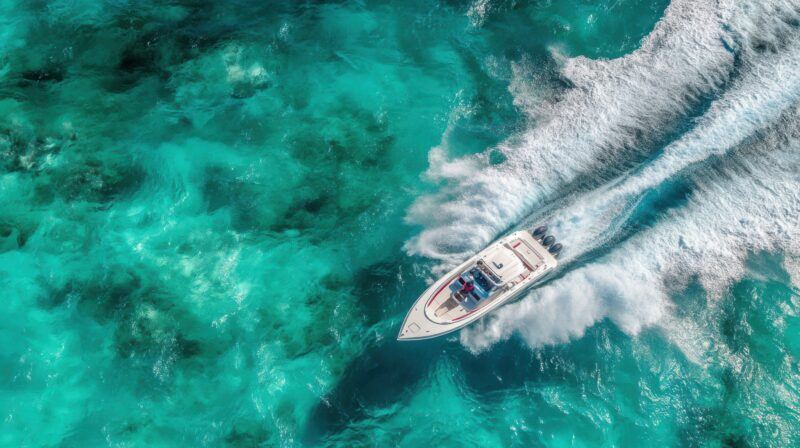
This guide will focus mainly on the main island arcs of the Greater and Lesser Antilles, though the Caribbean basin includes mainland coasts with excellent surf (like parts of Panama, Colombia, and Venezuela). But if you’re planning your island surf trip, you’re probably eyeing Barbados, Puerto Rico, the Dominican Republic, and beyond—so let’s paddle straight into it. Embark on a surf adventure across the Caribbean, where each destination along the Caribbean coast offers diverse surf opportunities and numerous surf breaks for all levels.
Barbados
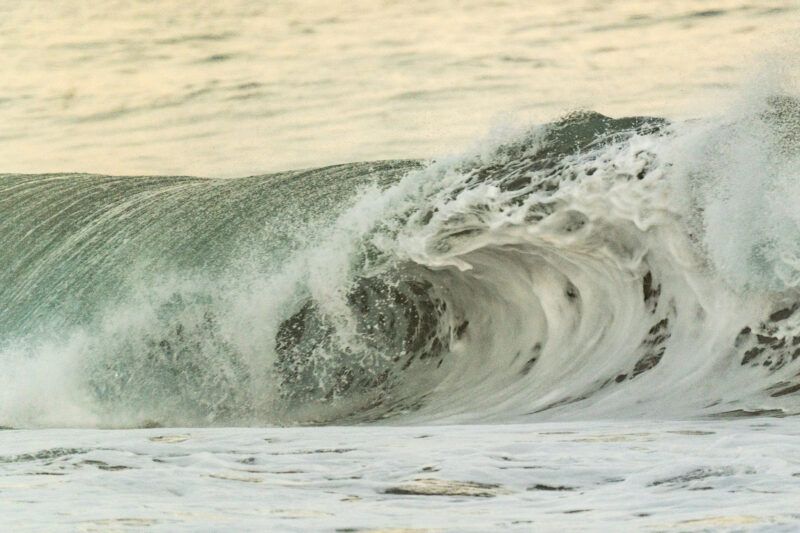
Barbados is a small island and the surf capital of the eastern Caribbean. The crown jewel is Soup Bowl in Bathsheba—famous for its world class waves and most entertaining waves, it’s one of the world’s punchiest right-hand reef breaks with bowlly sections and occasional barrels. The island also dishes dreamy Freights Bay (a long, left-hand point-style reef perfect for longboards), playful South Point, and fun west coast reefs when wrap-around swells arrive, offering some of the best waves on the island. The island is small, stylish, and super surf-convenient—drive 20–40 minutes and you’ve changed coastlines entirely. When it’s big, Soup Bowl is no joke: shallow reef, heavy lip, and serious power. Challenging spots like Duppies on the north are suitable for more experienced surfers. Beginners do better on the south coast.
Puerto Rico (Rincón & the Northwest)
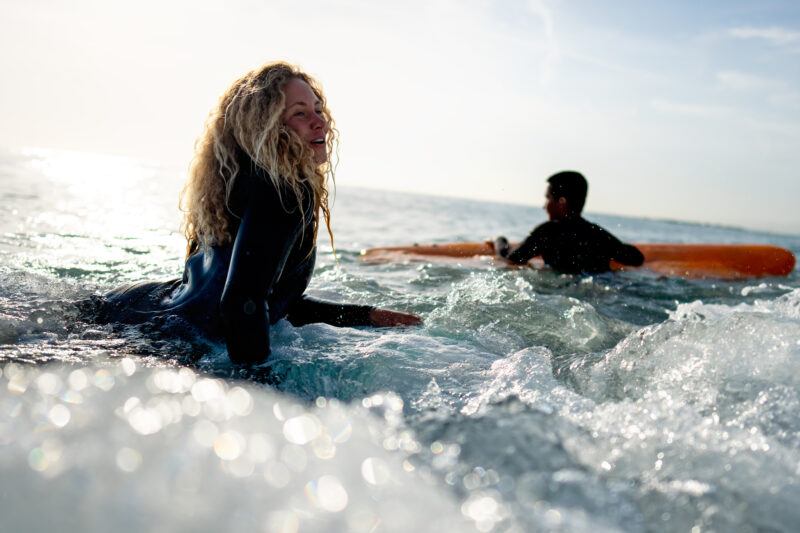
Often called the “Caribbean’s North Shore,” Puerto Rico’s northwest coast is a magnet for Atlantic winter swells. Rincón offers a cluster of world-class spots—Domes (a classic right hander), Maria’s (another renowned right hander), Indicators, Tres Palmas (a big-wave outer reef when it’s XXL). The region features a mix of point breaks, beach breaks, and punchy reefs, with many prime waves breaking over shallow reefs that produce powerful, hollow surf ideal for experienced riders. Further east, Jobos, Middles, and Isabela add variety from rippable beachies to punchy reefs. Infrastructure is dialed: board rentals, repairs, cafés, and a lively surf community. On powerful swells, crowds and currents demand respect; less-exposed beaches are friendlier for progressors.
Dominican Republic (North Coast / Encuentro & Cabarete)
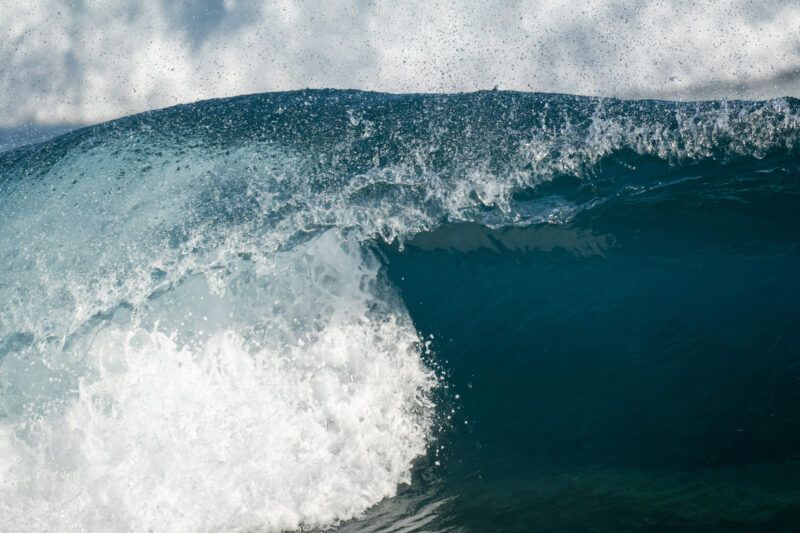
Wedged along the trade-winded north shore, the DR’s Encuentro Beach is the main surf destination, renowned for its entertaining waves that cater to all skill levels. Multiple peaks break over a reef platform: mellow inside reforms for learners, punchier outside walls for chargers, and some spots ideal for intermediate level surfers. Nearby Playa Encuentro and stretches toward Sosúa/Cabarete keep options open. The best surf conditions are found during the winter months, when the waves are at their peak. Trades can add bump mid-day—dawn patrol is king. The scene is social and sporty (kiting and windsurfing thrive), with surf camps and schools everywhere offering surf lessons for all abilities.
Martinique (French Antilles)
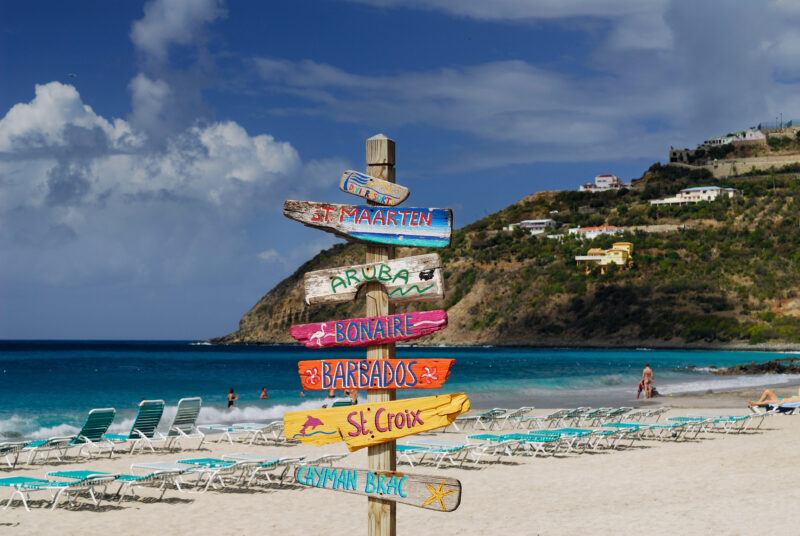
Martinique is rugged, green, and wave-rich when the North Atlantic pulses. Basse-Pointe is the poster child: a classic point break with a long, fast right that reels down boulders and reef, rewarding timing and line choice. On the best days, Basse-Pointe delivers perfect waves that attract surfers seeking high-quality conditions. Scattered bays and points on the east and north coasts offer variety, including other point breaks, but you’ll want a car and local knowledge. It’s less consistent than Barbados/PR yet magical when it’s on.
Guadeloupe (French Antilles)

Guadeloupe’s butterfly-shaped island serves up quality reef setups and a variety of surf breaks, with Le Moule a standout—hollow, fast, and photogenic. East-facing reefs offer consistent waves during the winter season; trades can be a factor, so early sessions are best. The French-Creole culture, bakeries, and beach cafés give it a chic-island vibe, and lineups skew core but friendly with proper etiquette.
Jamaica (Boston Bay & Beyond)
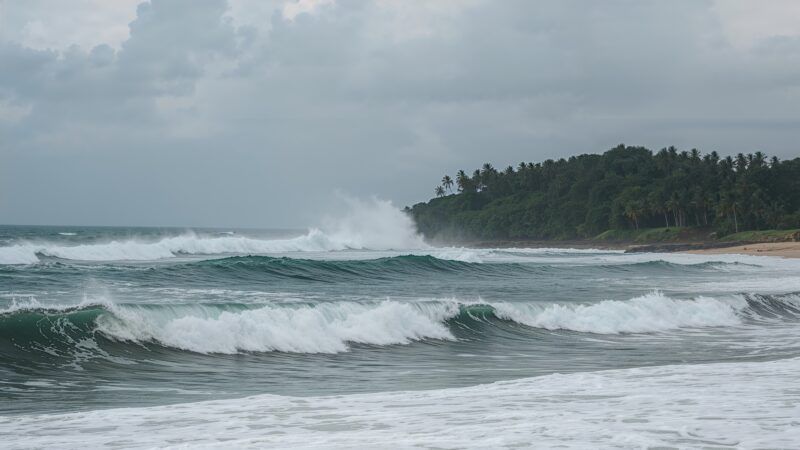
For a wilder, less-charted surf experience, Jamaica offers playful rights and lefts around Boston Bay and the historically significant Bull Bay, home to renowned reef breaks and surf schools like Jamnesia. Scattered reef passes along the north and east coasts also provide options. It’s less consistent than the eastern islands but when north swells line up, you’ll find fun, uncrowded surf and a mellow, soulful vibe. Expect smaller windows and bring patience (and reef booties).
Bahamas (Eleuthera & Abacos)
Fringing reefs and deep-water channels help the Bahamas focus swell into emerald-clear peaks and onto the sugar sands of its pristine beaches. Eleuthera can get surprisingly punchy on solid north swells, but also offers ankle burning small waves at spots like Surfer’s Beach, making it ideal for beginners or those seeking a relaxed session. Surfer’s Beach is known for its consistent, accessible waves and rarely crowded lineups. Abacos has playful reefs and beachies, with Elbow Cay standing out as a notable surf location thanks to its relaxing atmosphere and quality surf. It’s fickler than the Antilles but rewards with postcard setups when the Atlantic lights up.
Getting there
The Caribbean is well-connected via major hubs: San Juan (SJU), Barbados (BGI), Santo Domingo (SDQ)/Puerto Plata (POP), Martinique (FDF), and Guadeloupe (PTP). Inter-island hops are easy on regional carriers or ferries (island-dependent). Renting a car is clutch on most islands—spots are scattered and dawn patrols matter. Roads range from excellent (Barbados, PR) to rustic (outer islands). No 4×4 needed for most zones; a compact with board racks (or soft racks) is perfect.
For Barbados, fly into BGI. For Puerto Rico, SJU or Aguadilla (BQN) is prime for Rincón. For the DR’s north coast, POP or STI (with a drive). For Martinique and Guadeloupe, direct flights from Paris and regional links. Public transport exists but is rarely surf-efficient—self-drive wins.
Crowds
Barbados and Rincón in winter? Packed. Expect lineups full of locals, travelling pros, surf camps, and holiday crews. But the Caribbean is a big blue playground—drive a little, explore side reefs, and you’ll score space. Shoulder months thin things out. Hurricane season swells can be uncrowded, but are for experienced surfers only.
Lineup Lowdown
Island surfers are passionate and protective at signature spots. Respect the rules: don’t paddle straight to the peak, don’t snake, and always respect priority. Watch a set cycle before committing; be reef-aware. Outside the hot zones, lineups are generally friendly—smiles and a “good morning” go far. Reef etiquette: fall flat, never kick off the bottom, shuffle carefully, and pack a small first-aid kit.
Surf spot overview
Surf seasons and when to go
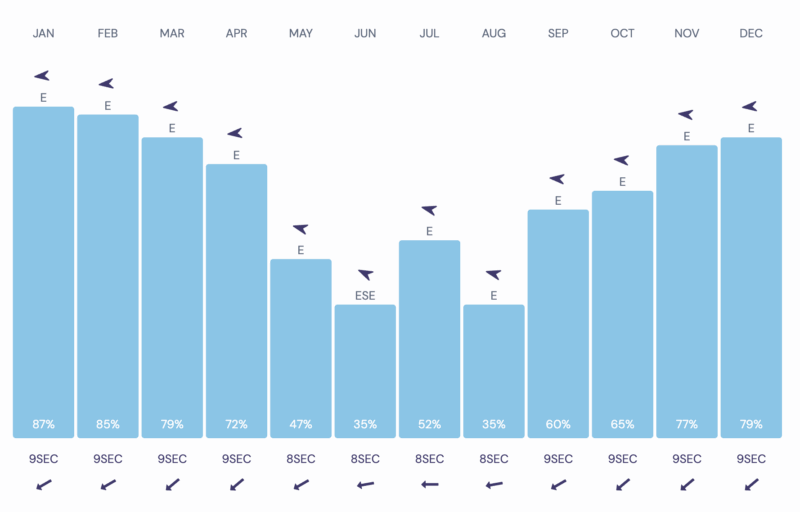
The best time of the year to surf in Caribbean
Surf seasons and when to go
The best time of the year to surf in the Caribbean
- Fall (Sept–Nov): Tropical/hurricane season can deliver powerful, long-period swells. Advanced surfers score; travel flexibility required.
- Winter (Dec–Feb): Prime time. Consistent North Atlantic swells, groomed mornings, best banks/reefs, contests run. The dry season in some regions, like Costa Rica, makes this period ideal for beginners due to better surf conditions and fewer crowds.
- Spring (Mar–May): Shoulder season with lingering north pulses, lighter crowds, fun surf.
- Summer (Jun–Aug): Smaller trade-wind swells, beginner-friendly south coast sessions (e.g., Barbados), with occasional tropical bumps. Look for gentle, rolling waves—perfect for learners and longboarders. In Central America, the wet season brings larger swells (especially May to August), which can affect surf quality and crowd levels.
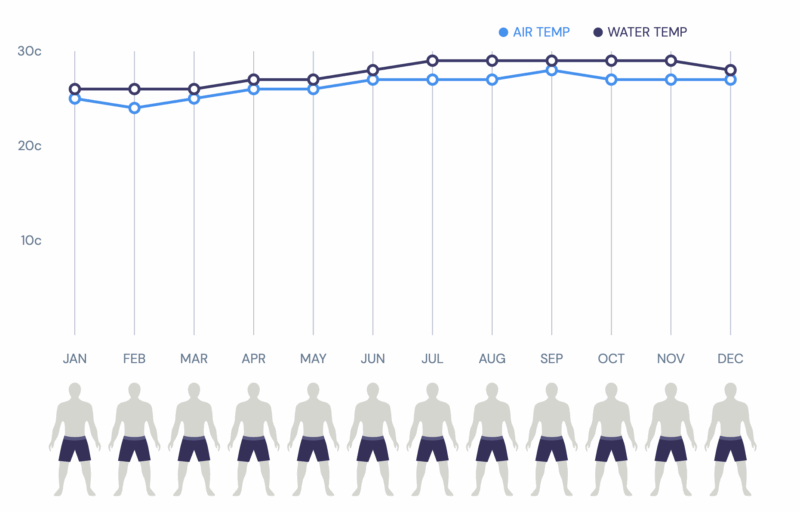
Water Temperatures
- Year-round: ~24–29°C (75–84°F).
- Wetsuits: Mostly springsuit/short-john or just trunks/bikini. A 1–2mm top helps for windy dawns.
Weather
- Summer: Hot, humid, trade-wind breezes (28–32°C).
- Fall: Warm, with tropical systems possible—monitor forecasts.
- Winter: Warm days (25–29°C), cooler evenings, cleaner mornings.
- Spring: Pleasant, drier, consistent trades.
Can’t-Miss Surf Spots
Barbados – Soup Bowl
The Caribbean’s premier performance wave. Soup Bowl is a powerful right-hand reef where surfers can find Soup Bowl lipping into the bay at Bathsheba, creating dynamic and energetic rides. These powerful waves serve up spitting bowls and occasional barrels. Thick lips, shallow sections, and relentless push make it a board-snapping playground on bigger swells. Best on clean winter pulses with light winds. Rip currents and exposed reef are common—positioning and experience are crucial. For those seeking different conditions or skill levels, several nearby breaks offer alternative surf options.
Puerto Rico – Rincón (Domes & Maria’s)
Historic Caribbean surf town energy. Domes and Maria’s offer long, rippable rights with line-drawing walls—user-friendly on small/medium swells and high-performance on solid days. When it’s massive, Tres Palmas awakens offshore: big-wave outer reef heroics only. Intermediates find space down the points; experts hunt the fastest sections.
Martinique – Basse-Pointe
A marquee right that reels along a boulder/reef mix with pace and power. Long walls, carve sections, and a hollow inside bowl on the best days. Crowds spike on prime winter swells, and entry/exit requires reef savvy. When it’s on, it rivals famous points anywhere.
Guadeloupe – Le Moule
Photogenic right-hand reef known for speed and occasional barrel sections. Needs proper winter swell and manageable trades. Advanced surfers thrive; intermediates can score on smaller days. Friendly scene with French-island café culture steps from the break.
Dominican Republic – Encuentro
Multi-peak reef playground with something for everyone: mellow insiders for learners, outside peaks for turns and cover-ups. Dawn patrol is glassy, trades build later. Surf schools and camps make progression easy; advanced surfers can still chase punchy sections.
Jamaica – Boston Bay
A soulful Caribbean classic. Fun peaks over reef with a friendly local crew and chill town vibe. Less consistent than the Antilles—watch charts and be ready to roam. Great for intermediates; experts find ramps on bigger N swells.

Caribbean surf travel guide
Find trips that fit a flexible lifestyle
Learning to Surf in the Caribbean
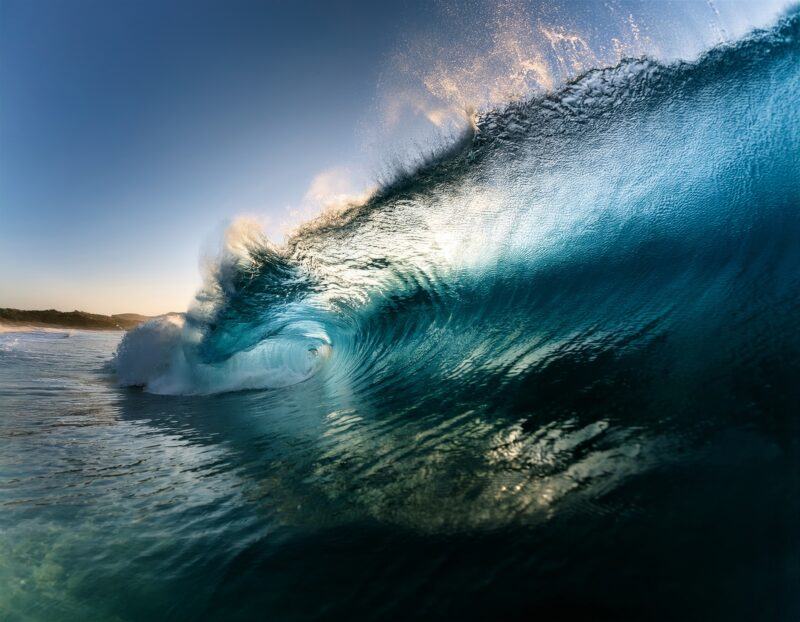
The Caribbean is a dream for first waves: warm water, sandy entries, and heaps of surf schools. Many spots, such as Josiah’s Bay and Dover Beach, are perfect for beginner surfers thanks to their gentle waves and safe conditions. Freights Bay (Barbados) and Surfer’s Point are ideal for longboardy learners; Encuentro (DR) has structured lessons with inside reforms; Rincón offers beginner windows at sheltered corners. Schools guide paddling, pop-ups, ocean reading, and reef safety. Progression paths are smooth—graduate from soft-tops to mid-lengths, then start eyeing reefs on smaller days.
Safety and Etiquette in the Caribbean Lineup
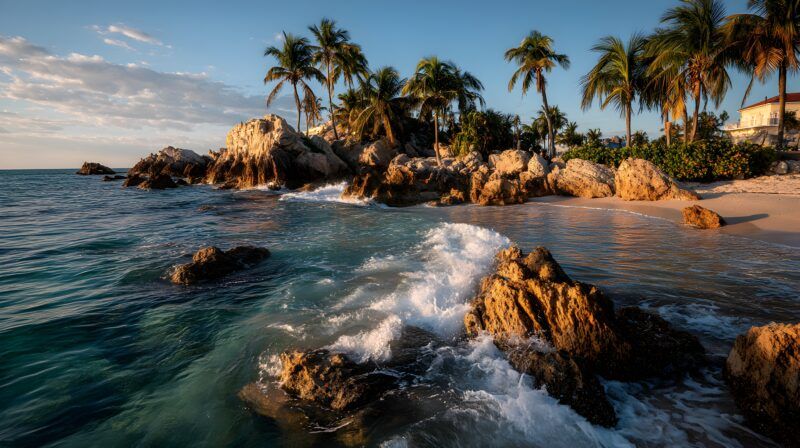
Safety starts with reef awareness: use reef-safe sunscreen, consider booties if you’re new to reefs, and never dive headfirst. Watch currents and tide swings; many spots change character with even small tide moves. Respect locals—queue fairly, don’t drop in, call your direction, and smile. In hurricane season, treat power with caution; if in doubt, don’t paddle out. Pack a small kit: vinegar (for stings), tweezers (urchins), alcohol wipes, and band-aids.
Surf and Yoga Retreats
Surf-yoga culture thrives across Barbados, the DR, and Puerto Rico. Expect daily surfs, mobility/flexibility sessions, breathwork, and island-fresh meals. Retreats cater to all levels—from total beginners to intermediates polishing turns—often including video coaching and reef-safety briefings. Boutique stays near breaks let you roll out of bed and into turquoise peelers.
Accommodation Options for Surfers
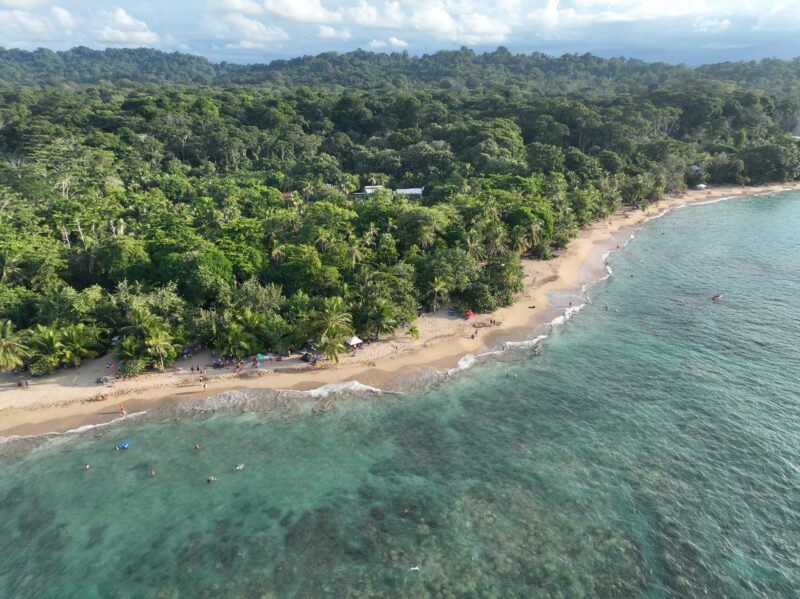
You’ll find everything from beach hostels and surf lodges to boutique hotels and villas.
- Barbados: Guesthouses near the south coast, boutique stays in Bathsheba, villas on the west.
- Puerto Rico: Apartments/guesthouses around Rincón, surf lodges near Isabela/Jobos.
- Dominican Republic: Surf camps around Encuentro/Cabarete, budget to mid-range.
- French Antilles: Gîtes, B&Bs, and chic beach hotels near main reefs.
Many stays are surf-oriented with board storage, rinse areas, lessons, and guided strikes.
Comparison to Other Surf Destinations

Compared to Bali or Costa Rica, the Caribbean trades jungle rivermouths for coral reefs and cobalt water. Crowds cluster at headliners, but a short drive often buys solitude. Versus the Gold Coast, Byron Bay, or California, you’ll score warmer water, smaller windows, and more travel cost—but a bigger sense of adventure and culture shock (the good kind). For warm-water points and reefs with Euro-adjacent comfort (French Antilles) or Latin vibes (PR/DR), the Caribbean is a top-tier pick.
Expenses
- Accommodation: Hostels/guesthouses $40–80, Airbnbs from $80–150, boutique hotels $150–300+.
- Food: Local eats $8–15; sit-down restaurants $20–40; splurge dinners $50+.
- Transport: Rental cars $35–70/day; fuel varies by island; inter-island flights can add up.
- Surf Costs: Board rentals $20–30/day; lessons $40–60/session; boat shuttles (select reefs) vary.
Smart budgeting: travel just outside peak winter, cook some meals, share cars, and target islands with better flight deals.
Cultural Notes
- Languages shift (English, Spanish, French, Creole). Learn a few basics—“Buenos días” / “Bonjour” / “Good morning” goes far.
- Dress is casual but respectful away from the beach.
- Tipping (10–15%) standard on many islands.
- Protect reefs: use reef-safe sunscreen, never stand on coral, and pack out trash.
- Café culture, beach shacks, and sunset music sessions are part of the ritual—lean in. The Caribbean’s vibrant music, cuisine, and traditions are deeply influenced by its African heritage, which shapes much of the region’s cultural identity.
Cell Coverage & Wi-Fi
Coverage is generally good around populated coasts; eSIMs make it painless. Wi-Fi is common at cafés, hotels, and surf camps. Expect occasional island-time speeds; download charts offline as backup, and use a map to plan surf trips and navigate between islands.
Final Thoughts
The Caribbean blends warm water and real-deal waves with high culture and island soul. Soup Bowl will test even advanced surfers with its thumping bowls, while Freights and Encuentro welcome first-timers. From Basse-Pointe’s racetracks to Rincón’s long walls, every surfer can find their place across these islands. Add in rum cakes, reef-blue water, pastel towns, and road-trip coastlines, and you’ve got a surf trip that’s as much a cultural adventure as it is a wave hunt.
From rugged Martinique to glamorous Barbados to laid-back Rincón, the Caribbean offers waves for every level—wrapped in unmistakable island style. Pack your reef-safe sunblock, learn to say “good morning,” and get ready to surf some of the best warm-water waves in the Atlantic.