Surfing in Byron Bay
Surfing guide to Byron Bay, New South Wales, Australia
Byron Bay has 17 surf spots and 3 surf holidays. Go explore!
Overview of surfing in Byron Bay

Byron Bay is one of Australia’s most famous surf towns, sitting on the far north coast of New South Wales. Known for its beautiful beaches, laid-back lifestyle, creative community, and vibrant surf culture, Byron is both a surfing mecca and a cultural hotspot. For decades, it’s attracted surfers, musicians, artists, and free spirits, creating a unique blend of counterculture energy and stylish coastal living.
Surfing here is accessible to everyone. The bay curves in a natural arc, with long, forgiving waves for beginners at The Pass and Main Beach, as well as punchier options around the Cape for more experienced surfers. Longboarders glide on endless peelers, while shortboarders can still find sections to carve and barrel.
Byron is about more than just waves—it’s a lifestyle. The town is full of organic cafés, markets, music festivals, and wellness retreats. Visitors can discover local attractions such as The Farm Byron Bay, which features a working farm, a bakery, a restaurant, and a shop. There are plenty of opportunities to sample local food and drink, including specialty drinks and fresh produce. Post-surf hangs include live music at the pub, yoga sessions on the beach, or grabbing smoothies in town. With year-round surf, stunning headlands, and a deep surf heritage, Byron Bay is a bucket-list destination for surfers from across the globe. Visit and discover the unique blend of food, culture, and local experiences that make Byron Bay truly special.
Surf Regions in Byron Bay
The Pass

Byron’s most famous wave, The Pass is a long right-hand point break at the far end of Main Beach. It offers rides that can last for hundreds of metres, making it a longboarder’s paradise but also fun for shortboarders. The lineup can be extremely crowded, but the vibe is iconic.
Wategos Beach
Tucked under Cape Byron, Wategos is a beautiful, sheltered beach with mellow waves. It’s perfect for beginners and longboarders, with a laid-back atmosphere and stunning headland views. Early risers can enjoy watching the sunrise or the sun over the bay, and there are great opportunities to watch dolphins or even whales during the right season. The iconic Cape Byron Lighthouse, situated at the most easterly point of mainland Australia, stands above Wategos and is a significant landmark. The area is also renowned for whale watching, especially near the lighthouse during migration season.
Main Beach

Right in front of town, Main Beach is Byron’s central surf spot. It has shifting sandbanks, and the quality and shape of the sand play a big role in shaping the surf experience, creating beach break peaks that suit all levels. It’s ideal for learners, with surf schools running daily lessons, but also fun for experienced surfers when conditions line up.
Belongil Beach
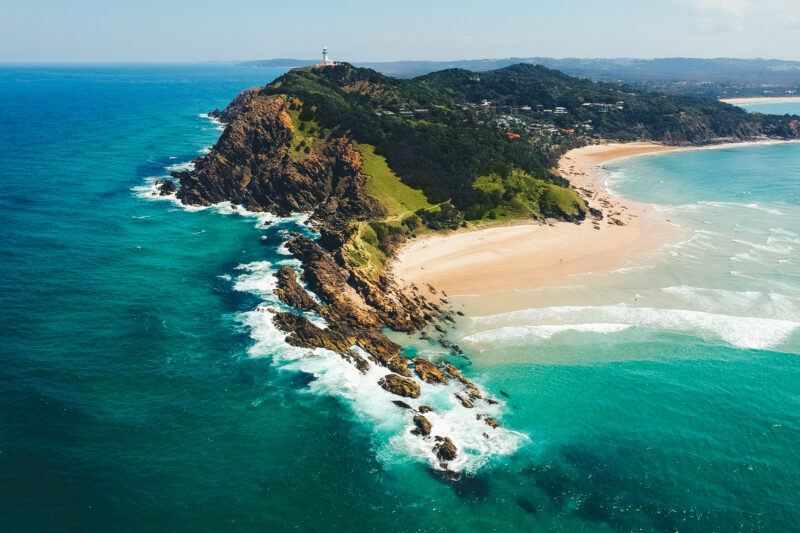
Just north of town, Belongil is less crowded than Main Beach and has beach break peaks that work best on mid tides. It’s a good option when the main spots are packed.
Broken Head

A short drive south, Broken Head is a consistent right-hand point that offers long rides, similar to The Pass but with fewer crowds. It’s one of the area’s most loved waves, framed by rainforest and cliffs.
Lennox Head

Twenty minutes south of Byron lies Lennox Head, one of Australia’s most famous right-hand point breaks. It’s a powerful, fast wave that suits advanced surfers. The lineup here is fiercely local, so respect is crucial.
Byron Bay’s beaches offer something for every taste, from mellow waves for beginners to powerful point breaks for experienced surfers.
The Good
- World-famous surf breaks, with waves for all levels
- Long, peeling point breaks perfect for longboarding
- A lively surf culture with festivals, schools, and shops
- Warm water most of the year
- Vibrant town life with places to eat, food, music, yoga, and arts
- A lively festival calendar, including surf and music festivals, plus community and cultural events
The Bad
- Crowds—lineups can be packed, especially The Pass
- Parking around the Cape and town is limited and expensive
- Localism can be strong at Lennox Head
- Byron’s popularity has made it one of Australia’s pricier surf towns
- Summer onshore winds and cyclones can make conditions inconsistent

Getting there

Byron Bay is located about 800 km north of Sydney and 170 km south of Brisbane. Ballina Byron Gateway Airport (30 minutes away) and Gold Coast Airport (about 45 minutes away) are the nearest airports. Brisbane International Airport is about two hours north.
In town, most surf spots are within walking or biking distance from the town centre. A car is helpful if you want to explore Broken Head, Lennox Head, or other nearby breaks. Parking in town and near the Cape is limited and can be expensive, so plan to arrive early.
Visitors can also explore the Byron Bay industry estate, a hub for local artisans, shops, and creative businesses.
Crowds
Byron Bay is one of the most crowded surf towns in Australia. The Pass often looks like a conveyor belt of surfers, with dozens dropping into the same wave. Wategos and Main Beach are also busy with learners and longboarders. Broken Head and Lennox Head thin out the numbers, but both have strong local scenes. Despite the crowds, the energy is vibrant—Byron attracts surfers from every corner of the world.
Lineup Lowdown
Patience and etiquette are essential in Byron’s lineups. The Pass has a clear pecking order, and dropping in on locals or snaking waves is heavily frowned upon. Wategos and Main Beach are more relaxed, with beginners and surf schools filling the water. At Lennox Head, respect is non-negotiable—locals dominate the peak, and visiting surfers need to wait their turn.
Surf seasons and when to go
The best time of the year to surf in Byron Bay
Surf Seasons and When to Go
Byron Bay works year-round, but the best waves usually arrive in autumn (March to May). During this season, the weather is warm, winds are offshore, and swells from the south light up the points. The direction of both the wind and the swell is crucial—offshore wind direction and a southerly swell direction combine to produce the cleanest, most consistent surf at Byron Bay’s breaks.
Winter (June to August) brings consistent groundswells, cooler water, and offshore winds. Summer (December to February) is less reliable, with more wind and smaller waves, though cyclone swells from the Coral Sea can send long, clean lines into the bay. Spring (September to November) is transitional, with variable conditions but fun days.
Water Temperatures and Weather
Water temperatures range from 18–25°C. In summer, boardshorts and bikinis are fine, while winter usually requires a 3/2 steamer. Air temperatures vary from 20°C in winter to 30°C+ in summer. Rain is common in summer, but conditions are generally pleasant year-round.
Can’t-Miss Surf Spots
The Pass
Byron’s crown jewel, The Pass is a legendary right-hand point break with rides that can stretch for hundreds of metres. Longboarders thrive here, but shortboarders also enjoy carving sections and occasional barrels. The crowd is intense, but the wave is worth the wait. Early mornings are the best chance to score before the masses arrive.
Wategos Beach
A sheltered bay with gentle, rolling waves, Wategos is ideal for beginners and longboarders. The scenery is breathtaking, with Cape Byron rising overhead and dolphins often playing in the lineup. Visitors can also watch for whales from the lineup, especially during migration season, making whale watching a memorable experience. Kayak tours are popular here, offering a unique way to explore the bay and coastline while watching for marine life. The vibe is cruisy and family-friendly, making it a favourite for relaxed sessions.
Main Beach
The hub of Byron, Main Beach offers shifting sandbank peaks that work well for learners and funboards. Surf schools run daily lessons here, so it’s often full of beginners. When sandbanks align, experienced surfers can also score punchy waves close to town.
Broken Head
Just south of town, Broken Head delivers long right-handers that resemble a less-crowded version of The Pass. The wave works best on mid tides and offers long, fun rides with a mix of sections. The rainforest backdrop makes it one of the most scenic surf spots in the region.
Lennox Head
A powerful right-hand point break, Lennox is one of Australia’s most iconic waves. It’s fast, heavy, and best suited for advanced surfers. The takeoff zone is small, and the locals are protective, so visiting surfers should be patient and respectful. When it’s firing, Lennox delivers world-class rides.

Byron Bay surf travel guide
Find trips that fit a flexible lifestyle
Learning to Surf in Byron Bay
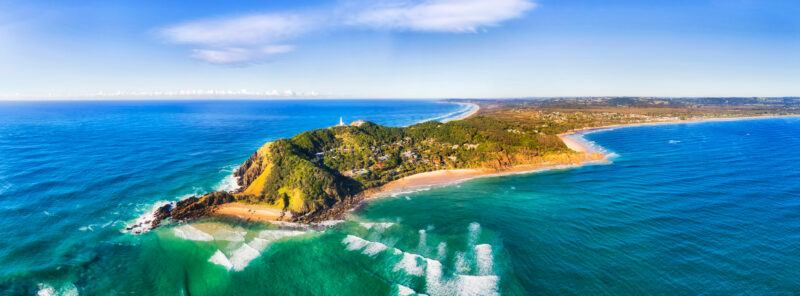
Byron is one of the best places in Australia to learn to surf. Main Beach, Wategos, and the inside sections of The Pass provide gentle, forgiving waves ideal for beginners. Numerous surf schools operate in town, offering group lessons (around AU$70–90) and private coaching (AU$120+). Board rentals cost AU$20–30 per day.
The safe, sandy-bottomed waves and strong surf community make Byron an excellent choice for first-timers. Beginners should avoid Lennox Head and big swells at The Pass, where the crowds and power can be overwhelming.
Safety and Etiquette

Byron’s waves are generally safe, but the biggest hazards are crowds and collisions. Follow standard surf etiquette, especially at The Pass and Lennox Head, where locals are strict about priority. Rips are rare at the points but can appear on the open beaches. Jellyfish (bluebottles) are common in summer, so stings are possible. Sunscreen and hydration are essential in the hot months.
Surf and Yoga Retreats
Byron is a global hub for wellness culture. Surf and yoga retreats are everywhere, offering packages that blend wave riding with mindfulness, healthy meals, and eco-friendly stays. Retreats typically include daily surf lessons, yoga sessions, meditation, spa treatments, and accommodation in boutique guesthouses or eco-lodges. Prices range from AU$1,000–2,500 per week depending on inclusions.
Accommodation Options for Surfers
- Byron town: Boutique hotels and resorts from AU$250–500+ per night
- Wategos Beach: Upscale villas and apartments AU$300–600+
- Backpacker hostels in town: AU$40–80 per night for dorms
- Guesthouses and mid-range motels: AU$100–200 per night
- Surf lodges and eco-stays: AU$150–250 per night with surf coaching options
- Holiday houses: A wide variety of holiday houses are available, ideal for groups or families seeking comfort and unique stays
- Hinterland retreats: Accommodation options in the Byron Bay hinterland offer a serene, scenic countryside setting perfect for those looking to relax and explore beyond the beach
Comparison to Other Surf Destinations
Byron Bay is renowned as one of Australia’s most iconic surf towns, drawing visitors from across the country. It is often compared to California’s Santa Cruz or Hawaii’s North Shore—but with a uniquely Australian twist. It’s more laid-back than the Gold Coast and less heavy than Lennox or Kirra, making it a destination for all levels. Compared to Noosa, Byron has more variety of waves but less consistency in long rides. Among Australia’s surf destinations, Byron Bay stands out for its unique blend of culture and surf, offering a mix of music, art, and wellness that few other surf towns in the country can match.
Expenses
- Accommodation: AU$40–500+ depending on style
- Food: AU$15–25 for casual meals, AU$40–70 for dining out
- Transport: Car hire from AU$60 per day, parking AU$4–8/hour in town
- Surf Costs: Board rentals AU$20–30/day, lessons AU$70–120/session
- Retreats: AU$1,000–2,500 per week
Visitors can expect to spend a bit more in Byron Bay compared to other surf towns, reflecting its status as a premier holiday and surf destination.
You can also spend an afternoon enjoying local events, sampling food, or shopping in Byron Bay.
Cultural Notes
Byron has a deep countercultural history, attracting hippies, artists, and surfers since the 1960s. Today it’s more polished but retains a bohemian vibe. Music festivals, farmers’ markets, and yoga studios shape the town’s energy. Major festivals and events, such as the Sample Festival, often take place in October, drawing visitors for special celebrations and school holidays. The Byron Farmers Market is held every Thursday, while the Byron Community Market takes place on the first Sunday of each month. Other markets and events are regularly scheduled on Saturdays and Sundays throughout the year, making it easy to plan visits around these community gatherings. The surf culture is stylish and expressive, with longboarding, logging, and alternative craft surfboards thriving alongside performance shortboarding. Respect for the environment is big—locals are passionate about keeping Byron clean and sustainable.
Cell Coverage and Wi-Fi
Coverage is excellent in Byron and surrounding areas. Wi-Fi is fast and widely available in hotels, cafés, and public spaces, though some eco-stays encourage a digital detox.
Final Thoughts
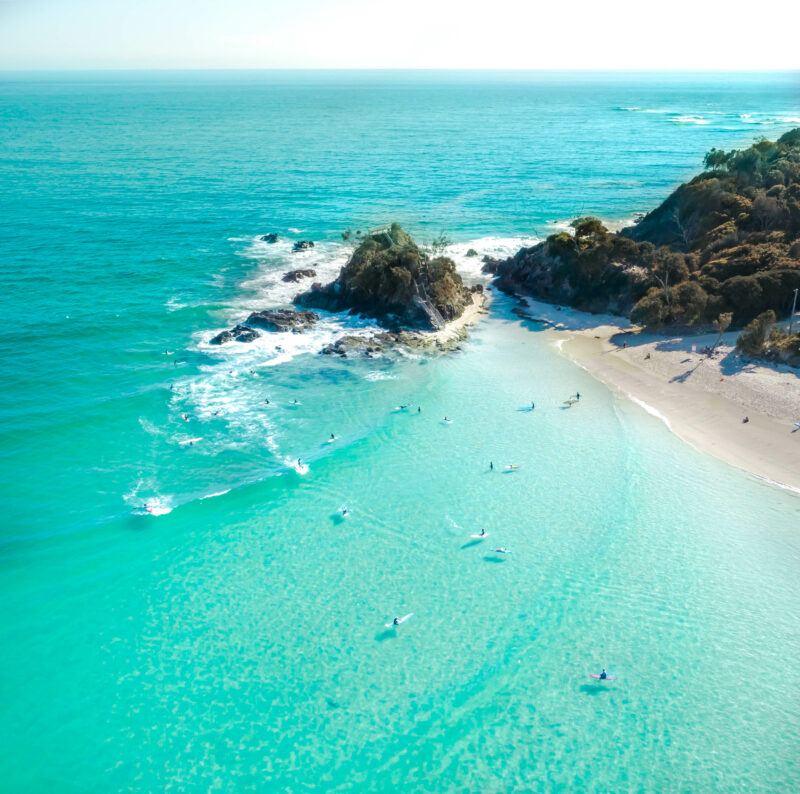
Byron Bay is more than just a surf destination—it’s a lifestyle hub where waves, music, art, and nature come together. From the peeling rights of The Pass to the power of Lennox Head, the surf is world-class and diverse. Combine that with the cultural richness of the town, the wellness retreats, and the stunning natural surroundings, and Byron becomes one of the most rewarding surf trips in the world.
Yes, it’s crowded, and yes, it’s pricier than ever. But if you’re looking for waves with soul, long rides with style, and a town that hums with creativity, Byron Bay is a must on any surfer’s map.