Surfing in Ecuador
Surfing guide to Ecuador, South America
Ecuador has 3 main surf areas. There are 34 surf spots and 2 surf holidays. Go explore!


Overview of surfing in Ecuador
Overview of surfing in Ecuador

Ecuador is a warm-water, tropical, ultra-consistent surf haven that flies under the radar compared to Peru or Costa Rica — but the surfers who know, KNOW. Its coastline is long, diverse, and full of point breaks, reef breaks, beach breaks, lefts, rights, tubes, longboard waves, mellow learner beaches, and powerful winter swells. Ecuador borders the Pacific Ocean and features a diverse Pacific coast. Among South American countries, Ecuador stands out as one of the top surf destinations.
Ecuador sits directly in the path of south and southwest Pacific swell trains, receiving long-period waves year-round. The dry season brings glassy mornings and offshore winds, while the rainy season enhances swell consistency and tropical conditions. The country’s coastal region is influenced by its proximity to the Pacific Ocean and the Andes mountains, which rise sharply from sea level. As a country, Ecuador holds a unique position for surfing, with its water warmer than Peru, lighter crowds than Costa Rica, and prices way more affordable than California or Europe.
The coastline blends fishing villages, national parks, dusty desert cliffs, lush jungle points, eco retreats, long sandy beaches, and lively surf towns. The Galápagos Islands, a UNESCO World Heritage Site, stand out as a unique ecological and surf destination. From the iconic pointbreaks of Montañita to the mellow bays of Ayampe, the punchy beach breaks of Mompiche to the quiet points around Olón and Puerto López, Ecuador is full of variety for every type of surfer. Surfers have the opportunity to score tropical waves in Ecuador, especially during the prime season from December to April. The coastline is divided into four surf regions, each offering different types of waves and unique surf experiences.
Whether you’re backpacking, longboarding, van-lifing, chasing barrels, or learning from scratch, Ecuador is warm, welcoming, and insanely fun, with tropical waves contributing to the consistent and high-quality surf experience.
Climate change is increasingly impacting Ecuador’s coastal areas, surf conditions, and natural habitats, making environmental awareness more important than ever.
Surf Regions in Ecuador and the Galapagos Islands

Ecuador’s coastal provinces are home to a diverse range of surf regions, each offering unique waves and local culture.
Northern Ecuador (Esmeraldas, Mompiche, Same)
Covering the northern part of the country, this region features lush jungle coastline with powerful beach breaks, long left-hand points, and uncrowded surf. Notable spots include Bahia de Caraquez and the famous left point break at Mompiche, all within Esmereldas province.
Central Ecuador (Canoa, Bahía de Caráquez, San Clemente)
Also known as the central region or central zone, this area stretches from Manta to San Lorenzo Cape and includes the Manta Zone and Manabi province. It offers long sandy beaches, mellow surf, and underrated longboard perfection. San Lorenzo Cape is a key surf destination here, known for its remote, challenging access and diverse wave conditions.
Montañita & Olón Region (Santa Elena Province)
The heart of Ecuador’s surf culture — consistent right-hand pointbreaks, fun reefs, surf hostels, party vibes, and yoga towns. Manabi province is especially significant for surfers seeking less crowded beaches and consistent surf conditions.
Ayampe & Puerto López Zone
Mellow, soulful surf region with soft walls and eco-friendly beachfront villages.
La Ruta del Spondylus (The Coast Road)
Endless surfable beaches, secret points, river mouths, and reef setups along the central zone, with access to notable surf spots in the central region.
Southern Ecuador (Salinas, Punta Carnero, Playas, El Oro)

More developed surf zone with powerful waves, strong local scene, and year-round swell. El Oro is a notable province in this southern region, contributing to the area’s surf diversity.
Baja Manabi Zone
Tucked between Ecuador’s Central and Southern surf regions, the Baja Manabi Zone is a true hidden gem for wave hunters in South America. This stretch of coastline is a paradise for those seeking world-class waves without the crowds, offering a mix of punchy beach breaks and playful reef breaks that light up when the south swells roll in. Intermediate surfers will feel right at home here, with plenty of opportunities to catch waves in warm, inviting water and mellow lineups.
Unlike some of the more famous surf destinations in Ecuador, Baja Manabi remains blissfully under the radar. The vibe is laid-back, the surf is uncrowded, and the local towns serve up good food and affordable places to crash after a long day in the water. Whether you’re road-tripping through South America or looking to score amazing waves off the beaten track, the Baja Manabi Zone delivers. It’s a must-visit for anyone serious about surfing in Ecuador—come for the surf, stay for the sunsets, and enjoy the kind of authentic, uncrowded surf experience that’s getting harder to find.
Southern Zone
The Southern Zone stands out as one of Ecuador’s most iconic surf destinations, drawing wave riders from across South America with its world-class waves, vibrant surf towns, and year-round warm water. Anchored by the famous surf town of Montañita, this region is a magnet for surfers chasing epic conditions and a lively beach scene. But the Southern Zone is much more than just Montañita—here, you’ll find a string of breaks that cater to every style, from the punchy beach breaks and reef setups of Las Salinas to the consistent, laid-back waves of Puerto Lopez.
This part of the Guayas province is all about variety and fun. Whether you’re paddling out at a bustling pointbreak or exploring quieter corners along the coast, the Southern Zone offers amazing waves, a welcoming surf community, and plenty of good food and nightlife to keep the stoke high. With its mix of reef breaks, beach breaks, and a reputation for some of the best surf in Ecuador, the Southern Zone is a must for anyone looking to experience the heart and soul of surfing in Ecuador.
Getting there
Getting There and Access via the Peruvian Border
Fly into Guayaquil (GYE) or Quito (UIO). These are the two airports most international travelers use when arriving in Ecuador. From Guayaquil: Montañita: 2.5 hours Olón: 2.75 hours Punta Carnero: 2 hours Playas: 1.5 hours Ayampe: 3 hours
From Quito: Fly to Esmeraldas for north coast access. Drive to Mompiche: 1.5–2 hours
Buses are cheap and common. Public transport is the preferred and affordable way to travel between surf towns, making it easy for surfers to get around. Taxis, moto taxis, and tuk tuks available everywhere. Rental cars, including 4WD options, are also available and are useful for reaching remote surf spots or areas with unpaved roads.
Crowds
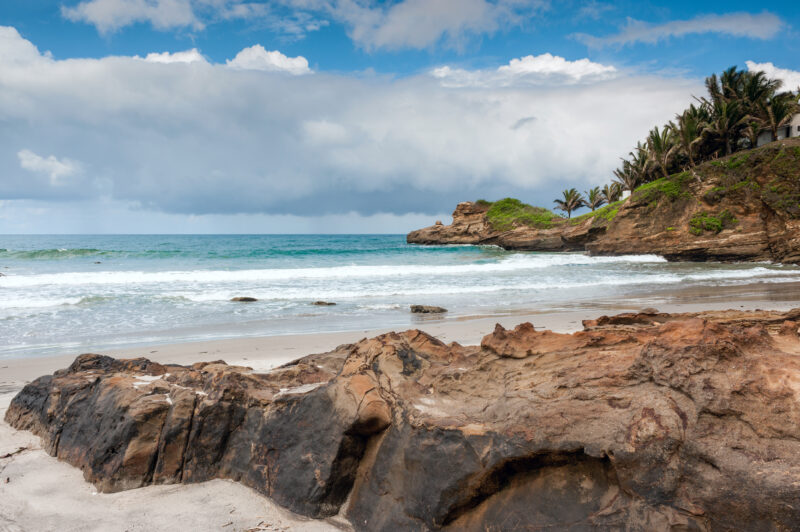
Montañita: busy
Olón: moderate
Ayampe: light to moderate
Mompiche: mellow
Punta Carnero: competitive locals
Playas: medium
Canoa: very uncrowded
The most popular breaks tend to be busiest, especially on weekends and holidays. Avoid weekends and holidays at big-name spots.
Lineup Lowdown

Ecuador’s surf culture is friendly and chilled — but respect matters:
- Don’t drop in
- Respect locals at the main peaks
- Rotate waves at pointbreaks
- Early mornings = clean + uncrowded
- Be mindful of learners in busy zones
Local knowledge is invaluable for finding the best waves, understanding tides, and staying safe at remote or challenging surf spots.
A little Spanish with a smile goes a long way.
Surf seasons and when to go
The best time of the year to surf in Ecuador
Surf Seasons and When to Go
Dry Season (June–December):
Offshore mornings
Bigger swell windows
Crisp conditions
Cooler evenings
Great for performance shortboarding
Wet Season (January–May):
Glassy tropical conditions
Warmest water
Consistent swell
Epic barrels
Green landscapes
Best all-round months: January–April
Best for longboarders: October–April
Water Temperatures and Weather
Water temp: Northern Ecuador: 24–27°C
Central Ecuador: 22–26°C
Southern Ecuador: 20–24°C depending on currents
Weather:
Dry season: sunny, breezy
Wet season: humid, tropical rain
Air temps: 25–32°C
Temperatures can vary with elevation, especially as you move inland from sea level toward the Andes mountains, where cooler conditions are common.
Boardshorts territory all year.
Can’t-Miss Surf Spots
Ecuador offers a variety of surf spots for all levels, with each surf spot along the coast providing unique waves and experiences for surfers. Some of Ecuador’s best surf spots are located within or near a national park, offering unique natural settings and opportunities to experience the country’s incredible biodiversity alongside world-class waves.
Montañita Point
Ecuador’s most famous wave — a right-hand pointbreak that reels along a rocky headland with long walls, fun barrels, rippable sections, and perfect takeoff zones. Works best from December to March. Crowded but iconic.
Olón
Just north of Montañita, Olón is mellower, longer, and WAY more peaceful. It is a short distance from Montañita, making it convenient for visitors seeking a tranquil beach experience without being far from the lively town. Soft point-style waves, clean shoulders, and fun longboard sessions. Ideal for beginners and intermediates who want Montañita consistency without the chaos.
Mompiche
A world-class left-hand point that can deliver insanely long rides on the right swell. Often compared to a smaller Chicama, but more powerful. Surrounded by lush jungle and super chill energy. Works best during wet season.
Canoa
One of the longest sandy beaches in Ecuador — a perfect longboard and beginner paradise. Fun reforms, mellow peaks, and consistent waves year-round.
Punta Carnero
Powerful, exposed beach break with punchy peaks and strong currents. Can get hollow and heavy during bigger swells. Popular with advanced surfers and local chargers.
Playas (General Villamil)
A long coastline with multiple peaks and mellow sections. Fun, clean walls, especially during southeast wind days. Very consistent and welcoming.
Ayampe
A peaceful small-town surf zone with gentle, cruisy waves that are ideal for longboarders and beginners. Tropical, lush, and quiet — perfect for yoga-surf-retreat energy.
La Entrada
An underrated longboard-friendly beach with clean shoulders and playful waves. Crowds are minimal.
Same & Súa (Northern Ecuador)
Fun peaks, mellow beach breaks, and scenic coves. Great for longboarding, families, and progression.
For those seeking a truly unique surf adventure, the Galápagos Islands offer world-renowned waves in a pristine ecological setting, recognised as a UNESCO World Heritage Site and celebrated for their biodiversity and conservation efforts.

Ecuador surf travel guide
Find trips that fit a flexible lifestyle
Learning to Surf in Ecuador
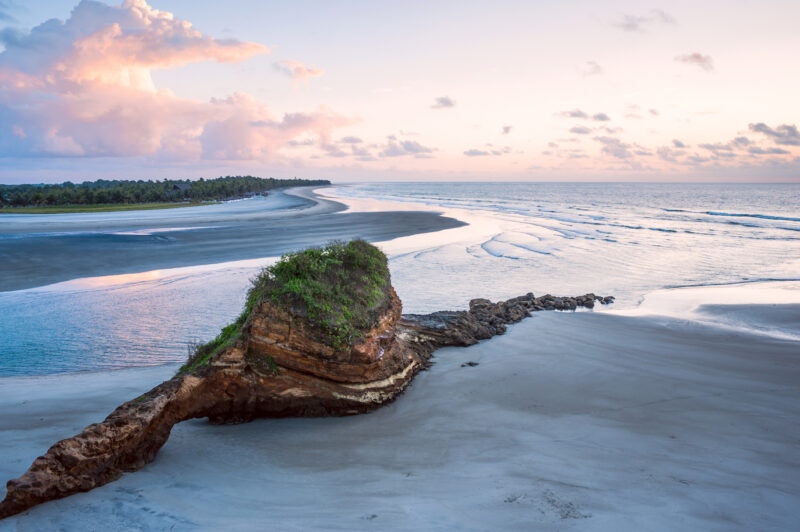
Best beginner beaches:
- Olón
- Canoa
- Ayampe
- Playas
- Montañita (inside sections)
- Same
Lessons: AU$20–40
Board rentals: AU$10–20/day
Ecuador is amazing for beginners because the water is warm and the vibe is super supportive.
Safety, Violent Crime, and Etiquette
- Strong rips at Punta Carnero + Mompiche
- Rocks at Montañita point
- Sea urchins at some reef breaks
- Watch belongings on busy beaches
- Rainy-season rivers can affect water quality
- Don’t surf isolated beaches alone
Surf and Yoga Retreats

Most retreats are in:
- Olón
- Ayampe
- Montañita
- Mompiche
Retreats include yoga, surf lessons, meditation, jungle hikes, healthy meals, and eco-villas.
Prices: AU$600–2,000/week.
Accommodation Options for Surfers
Budget hostels: AU$10–25
Mid-range hotels: AU$30–80
Beach cabins: AU$40–120
Boutique eco-lodges: AU$80–200
Luxury stays (Montañita/Olón): AU$150–400
Most towns offer beachfront stays at very reasonable prices.
Comparison to Other Surf Destinations
Ecuador vs Peru:
- Much warmer
- Shorter pointbreaks but more variety
- Better for beginners
Ecuador vs Costa Rica:
- Less crowded
- Cheaper
- More raw and wild
Ecuador vs Mexico:
- Softer waves
- More longboard-friendly
- Less intense beach breaks
Ecuador is basically the warm-water, budget-friendly, uncrowded alternative to the big Latin surf destinations. Surf tourism in Ecuador is growing rapidly, attracting visitors with its affordable, high-quality waves and supporting local communities, making it a top choice compared to other surf destinations.
Expenses (AUD)
Accommodation: AU$10–200
Meals: AU$3–12
Board rental: AU$10–20
Lessons: AU$20–40
Transport: AU$1–5 (local buses)
Taxis: AU$5–15
It’s one of the cheapest surf trips you can take.
Cultural Notes and National Parks
Expect:
- Warm, welcoming locals. Spanish is the official language, but several indigenous languages are also spoken in coastal communities.
- Slow-paced coastal life
- Fresh seafood + fruit juices
- Beach dogs everywhere
- Salsa + reggaeton nights
- Family-run hostels
- Hammock culture
Local media outlets provide news and entertainment, reflecting the country’s diverse culture.
Ecuador’s surf vibe is peaceful, social, and super authentic.
Cell Coverage & Wi-Fi
Strong in major towns
Patchy in remote points
Good Wi-Fi in most hostels
4G available in Montañita, Olón, Playas, Esmeraldas
Ecuador’s Ministry of Telecommunications has worked to expand digital infrastructure in surf regions.
Final Thoughts
Ecuador is a warm, tropical, surf-rich destination filled with friendly people, dreamy pointbreaks, beginner-friendly beaches, and consistent year-round swell. It’s affordable, varied, uncrowded, safe, and full of charm — perfect for both long-term backpackers and surfers chasing fun, flowy waves.
Whether you’re carving perfect rights at Montañita, cruising mellow shoulders in Olón, scoring jungle-lined lefts at Mompiche, flowing through clean longboard lines in Canoa, or exploring quiet beaches around Ayampe, Ecuador offers some of the most soulful surf experiences in South America.
It’s the ideal mix of tropical ease, budget surf travel, warm water, and surprisingly high-quality waves. The Galápagos Islands, a UNESCO World Heritage Site, also offer unique adventure activities for surfers and travelers alike. An underrated gem — and an absolute vibe.