Overview of surfing in West Sumatra
Overview of surfing in West Sumatra

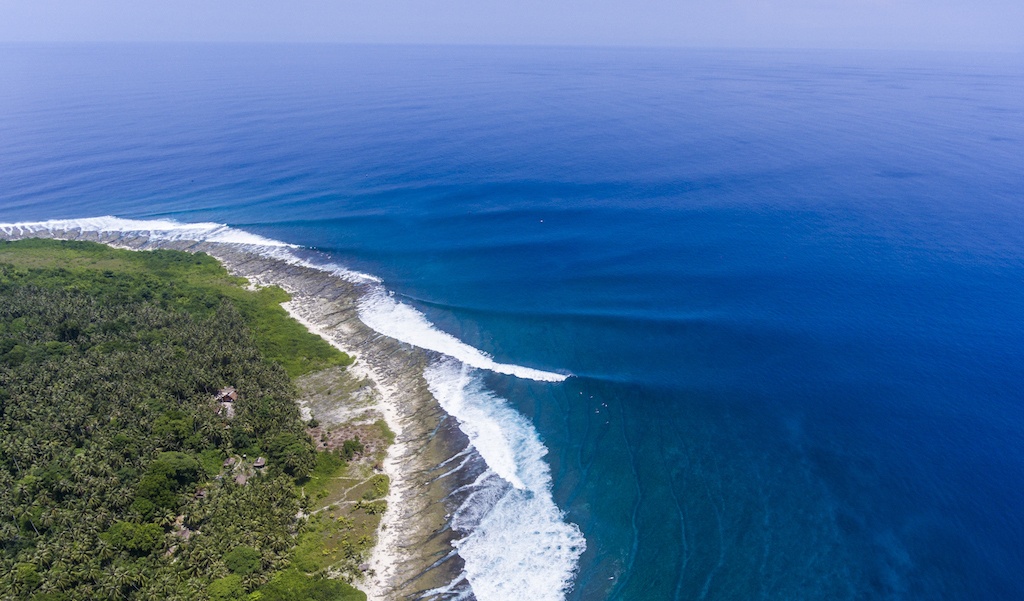
West Sumatra, located on the western coast of Sumatra Indonesia, is one of the most wave-dense coastlines on the planet, famous for its raw Indian Ocean power, pristine islands, and untamed jungle-fringed beaches. As the seventh largest island in the world and the third largest in Indonesia, Sumatra boasts a vast and impressive coastline. The region is a key part of the Indonesian archipelago, positioned in western Indonesia, making it a significant and diverse surf destination. The region’s natural beauty—where the land meets the sea—draws surfers and travelers from around the world. While the Mentawai Islands get most of the global attention, the West Sumatran mainland offers its own world-class potential: hollow beach breaks, powerful reef passes, secret river mouths, and long left- and right-hand points that light up during the dry-season swell window.
This region is raw, remote, and incredibly rewarding, making it a top destination for those seeking adventure, surf, and authentic experiences in Sumatra Indonesia. The land here is defined by diverse geography, from volcanic highlands and dense jungles to sweeping beaches along the sea. As a prime destination for Sumatra surf, West Sumatra is renowned for its abundance of quality waves, offering consistent and varied surf for all levels. Surf villages feel untouched, locals are warm and welcoming, and the coastline feels like a frontier—a place where swell slams into open reefs with nothing stopping it between Africa and Sumatra. West Sumatra’s surf scene remains far less commercialised than Bali or Java, making it perfect for surfers chasing solitude, power, and adventure.
Whether you’re based in Padang, exploring the mainland’s reef setups, or using it as the gateway to the Mentawais, West Sumatra is an Indonesian surf heavyweight. As one of the main regions for surfing in Sumatra, it stands out for its combination of big Indian Ocean energy, warm water, and lightly crowded lineups, making this region unforgettable for surfers of all levels — especially those ready to charge real waves.
Surf Regions in West Sumatra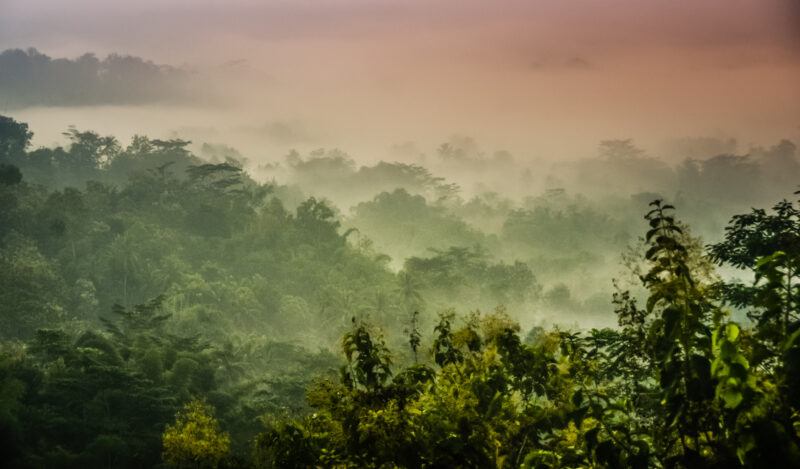
Padang (Mainland Gateway)
Padang is one of the major towns and the main town in the West Sumatra province of Indonesia, serving as a central hub and key entry point for surfers heading to the Mentawai Islands and other surf destinations along the west coast. The main entry point to West Sumatra is Minangkabau International Airport, which connects Padang to other destinations in Indonesia and Southeast Asia. As an urban area, Padang offers strong connectivity to other parts of the province and neighboring provinces such as North Sumatra, Riau Islands, and Aceh. The town is the heart of the region and the departure point for most boats and surf charters to the Mentawais, making it a crucial starting point for any surf trip in the area. Padang itself has several fun and challenging mainland reef breaks, plus novelty waves that fire during big west swells, catering to a range of skill levels. Great for surfers waiting for their charter or extending their trip on a budget.
In addition to Padang, other major towns in West Sumatra play important roles in tourism and infrastructure, supporting the region’s growing surf and travel scene. The west coast of Sumatra is home to many of the island’s best surf spots, and towns like Padang serve as gateways to these areas.
Historically, West Sumatra was once part of the larger Central Sumatra administrative division before evolving into its current provincial status. Sumatra’s surf is typically divided into two main regions: North Sumatra and South Sumatra, each with distinct characteristics. For broader context, South Sumatra is known for its consistent surf, with Krui as the main town and access to famous spots like Mandiri Beach and Long Beach, which is ideal for longboarding and beginners. The Banyak Islands and Hinako Islands are also notable surf regions in the wider Sumatran context, offering remote and uncrowded waves.
Air Manis & Bungus Bay
Southern Padang’s surf zone, with beach breaks, rocky points, and reef setups that become glassy in early mornings. More consistent in dry season but still surfable year-round. A growing local surf community keeps the vibe friendly. These spots offer waves for different skill levels, making them accessible for both beginners and more advanced surfers.
Painan & Carocok Coastline
South of Padang, this region has long stretches of coastline with hidden reefs, sheltered bays, and point breaks. Less crowded, more exploration-driven, and perfect for intermediate surfers wanting quieter sessions. Guiding services are available and valuable for those looking to safely access the best and more remote surf spots.
Amping Parak & Tarusan
Wild, remote, and full of potential. A mix of left-hand reefs, river mouths, and powerful beach breaks. Many spots remain uncrowded or even unmapped, with local guides and guiding services offering access. Ideal for experienced surfers chasing adventure and looking to maximize their surf trip.
Mentawai Islands (off the coast of West Sumatra)
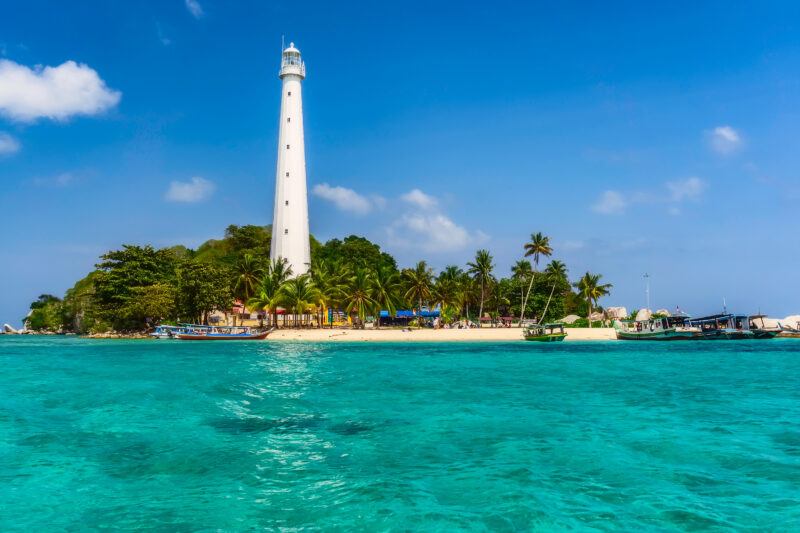
Although technically offshore, Mentawai is part of West Sumatra’s surf identity. Waves like Hollow Trees, Macaronis, Rifles, and Telescopes are all accessed through Padang. Surf charters are a popular way to reach the islands’ world-class waves, providing organized surf trips for all skill levels. For travelers coming from North Sumatra, Medan is a key transportation hub connecting to Padang and the Mentawai region. The Mentawai Islands are a separate world-class surf region on their own, but still tied to the West Sumatran coastline.
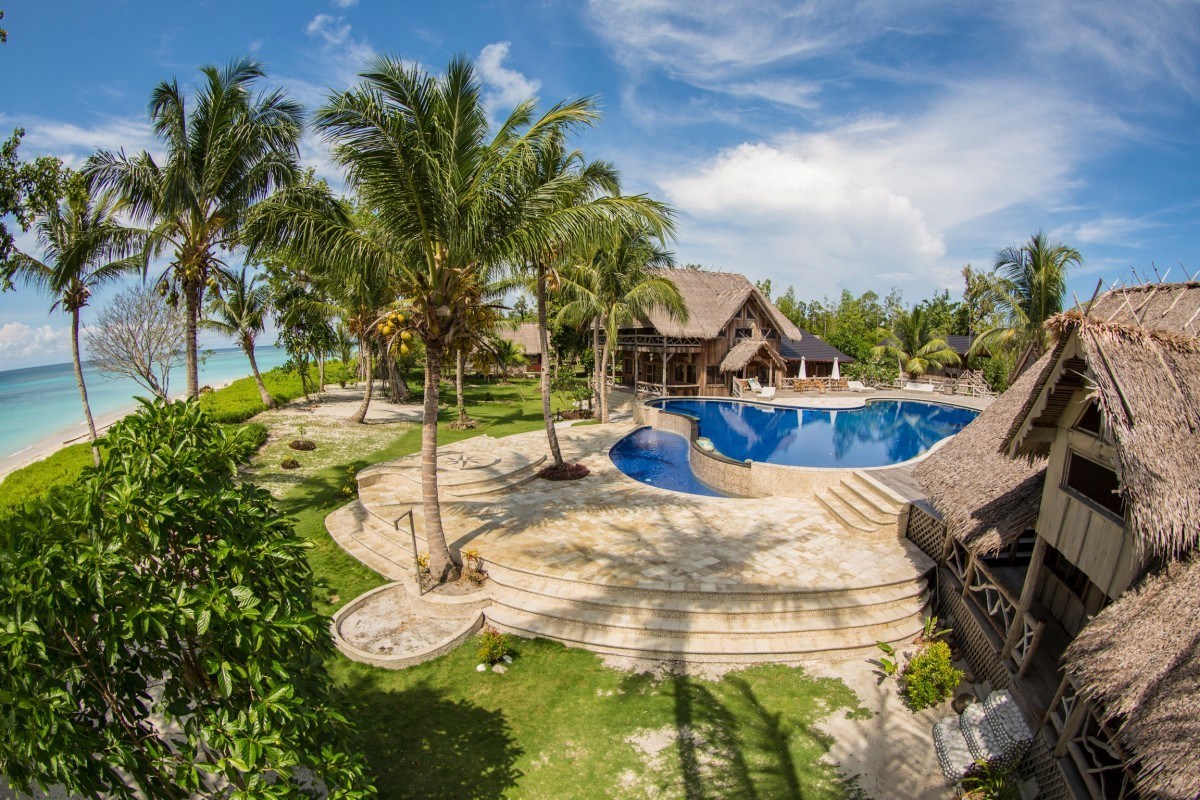
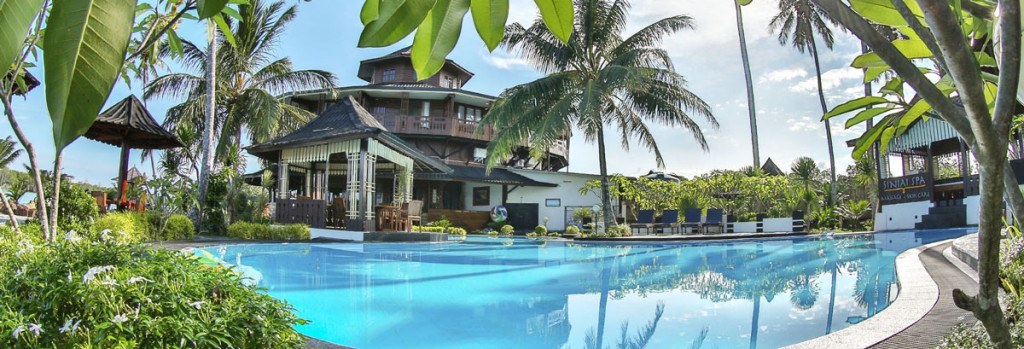
53 Best Surf Resorts and Camps in West Sumatra
Getting there
Getting There and Access
Fly into Minangkabau International Airport (Padang). From here:
- Padang mainland surf: 15–40 minutes
- Bungus Bay & Air Manis: 30 minutes south
- Painan & Carocok: 2–3 hours by road
- Tarusan & Amping Parak: 2–4 hours depending on roads
- Mentawai Islands: ferries or surf charters from Padang Harbour, with round trips available for both ferries and private drivers
For those heading to the northern surf regions of Sumatra, Banda Aceh and Banda Aceh Airport are key gateways, offering direct flights and easy access to popular surf destinations in the north. Kualanamu International Airport in Medan is the main entry point for North Sumatra, with connections to West Sumatra via domestic flights or overland routes. Bandar Lampung serves as a main transit point for travelers to South Sumatra, with both flight and road connections to surf spots like Krui.
Scooters cost around AU$10–15/day. Renting a car is a convenient way to explore the region, especially for accessing remote surf spots. Private cars with drivers range from AU$50–90/day. Mainland roads can be rough in remote zones, so 4x4s are recommended for certain regions. Be sure to visit key surf spots and local attractions along your route.
International travelers can take advantage of direct flights from Kuala Lumpur to Sumatra, making it a strategic gateway for accessing the island’s surf regions.
For the best experience, plan your trip in advance and consider planning your itinerary with local experts to maximize your surf time and explore the region fully.
Crowds
Compared to Bali or Java, West Sumatra is blissfully uncrowded. Most surfers visiting West Sumatra are seeking less crowded lineups and a more authentic surf experience. Padang has small local crowds, but most waves south toward Painan and Amping Parak are practically empty. Mentawai boats bring many surfers to the islands, not the mainland, keeping mainland lineups spacious and peaceful.
Lineup Lowdown
The vibe is respectful, mellow, and community-focused, shaped by the local people who have long valued hospitality and tradition. The Minangkabau people, as the primary indigenous community in the region, are especially known for their welcoming nature and strong cultural identity. Local surfers are proud of their coastline and welcome travellers who show respect. Different groups within the local surf community, including both seasoned locals and newcomers, contribute to the friendly and inclusive atmosphere. Don’t drop in, share waves, and always greet locals. At more remote reefs, you may surf alone — use caution, and always surf with a buddy if possible.
Surf seasons and when to go
The best time of the year to surf in West Sumatra
Surf Seasons and When to Go

Dry Season (April–October):Prime surf season. Consistent SW swells, lighter winds, and glassy mornings. Many reef breaks and beaches at or near sea level fire daily, with easy accessibility and excellent wave quality.
Wet Season (November–March):Stormier, less predictable surf, but still fun. Mainland has sheltered spots, some at sea level, that can shine when onshore winds hit exposed reefs. Bigger swells, heavier rains, and powerful currents. This period is considered the off season for surfing in West Sumatra, with less consistent conditions but also opportunities for uncrowded waves.
Water Temperatures and Weather
Water temperature stays between 27–30°C year-round. Air temps sit around 26–32°C. Dry season offers sunny days and light winds; wet season brings heavy rain, humidity, and stormy afternoons.
Surfers should also be aware of animals such as jellyfish, sea urchins, and other marine life that may be present in the water, and take appropriate safety precautions.
Can’t-Miss Surf Spots
Padang Left
A hollow, powerful left-hander breaking over shallow reef near Padang’s shoreline. Works on larger swells, producing heavy, fast tubes. A favourite for advanced local surfers, often compared to a mini version of some Mentawai slabs. Not beginner-friendly due to shallow sections and strong currents. Ideal for advanced surfers looking for a warm-up before island missions. The dramatic landscape here is shaped by steaming volcanoes and active volcanoes, adding to the region’s unique surf environment.
Padang Right
More mellow than Padang Left, this rippable right-hander breaks over deeper reef with long, playful walls. Perfect for intermediates and longboarders. Offers smooth takeoffs and fun carve sections, especially during clean shoulder-high days. Inland from Padang, scenic lakes such as Lake Maninjau offer a peaceful contrast to the ocean, and a boat ride on the lake is a popular way to enjoy the surrounding beauty.
Air Manis
A beach-break and reef combo that delivers rippable rights and lefts depending on swell direction. Works best on mid tide. The beach is famous for its local community, beginner-friendly walls, and beautiful views of Padang’s offshore islands. Perfect for warm-up sessions, longboarders, and cruisy fun days. The area is also close to several active volcanoes, which contribute to the lush landscape.
Bungus Bay
A scenic bay south of Padang offering multiple peaks, including reef breaks that produce surprisingly clean tubes when winds align. Less consistent than central Padang but stunningly beautiful. Great for intermediates and travellers wanting peaceful, scenic sessions. The bay is not far from Cubadak Island, a well-developed destination among the 25 islands in Pesisir Selatan Regency, known for its unique experience and natural beauty.
Painan Point
A long, wrapping right-hand point that fires during medium to large southwest swells. Offers multiple sections — smooth walls, playful shoulders, and occasional barrel sections. Perfect for high-performance surfing or retro-style lines. Often empty. The nearby lakes and active volcanoes add to the region’s appeal for nature lovers.
Carocok Left
A hollow, fast left near Painan that fires on specific swell directions. Shallow but mechanical, delivering tight barrels for advanced surfers. Best early before onshore winds pick up. The area is surrounded by scenic lakes and is influenced by the presence of an active volcano, making it a striking destination for surfers and travelers alike.
Tarusan Reef
A powerful reef setup producing long lefts and rights depending on the swell. It’s a remote, quiet zone that feels like old-school Indonesia — jungle backdrops, empty lineups, and raw ocean energy. Loads of potential for exploration and discovery. The region’s steaming volcanoes and crater lakes create a dramatic natural setting.
Amping Parak
A raw and powerful beach-break region with heavy barrels that detonate on big southwest swells. Fast, hollow, and serious when it pumps. Surfers with experience in heavy waves will love it. Beginners should avoid it on big days due to strong rips and shallow sections. The area is also known for its proximity to active volcanoes, which shape the rugged coastline.
Secret Bays and River Mouths (South of Painan)
This stretch of coastline hides dozens of unnamed or lightly mapped waves. Depending on the season, you can find long, wrapping points, fun A-frames, and sheltered corners that fire during rare wind windows. A local guide unlocks the best zones — this area is a dream for surf explorers. Exploring the region, you’ll encounter scenic lakes and the ever-present backdrop of steaming volcanoes.
Mentawai Islands (accessible from Padang)
While technically offshore, the legendary Mentawai lineup is accessed from West Sumatra’s mainland. Waves include: Hollow Trees Macaronis Rifles Telescopes Bankvaults Bintang Burgerworld Kandui Each of these breaks is world-class and forms part of West Sumatra’s broader surf identity. For those seeking more adventure, a boat ride to Cubadak Island offers a unique destination with pristine beaches and excellent surf potential.
Beyond West Sumatra, the Banyak Islands and Hinako Islands are renowned for their remote, world-class surf breaks, attracting surfers looking for uncrowded and challenging waves. Sumatran surf diversity also includes Long Beach, ideal for longboarding and beginners with its cruisy waves, and Mandiri Beach in South Sumatra, known for its powerful sandbank peaks—showcasing the island’s wide range of top surf spots.

West Sumatra surf travel guide
Find trips that fit a flexible lifestyle
Learning to Surf in West Sumatra
The best beginner-friendly zones are Padang Right, Air Manis, and parts of Bungus Bay. These waves offer softer takeoffs, deeper reefs, and long, forgiving walls. Board rentals cost around AU$15–20/day, and local instructors charge AU$30–50 per session.
Surfers should avoid heavy reefs like Padang Left, Tarusan, and Amping Parak until they have advanced skills and ocean knowledge.
Safety and Etiquette
- Reefs are sharp — reef booties recommended
- Swell can be powerful, especially in dry season
- Remote areas have no lifeguards
- Bring your own first aid kit
- Respect locals and surf with kindness
- Avoid surfing alone in isolated zones
- Always check tides and reef exposure
- Health & Safety: Travelers from other countries, including Australia, should be aware that medical facilities in the country of Indonesia can be limited in remote areas. It’s important to have comprehensive travel insurance and know where to access medical care if needed.
Surf and Yoga Retreats
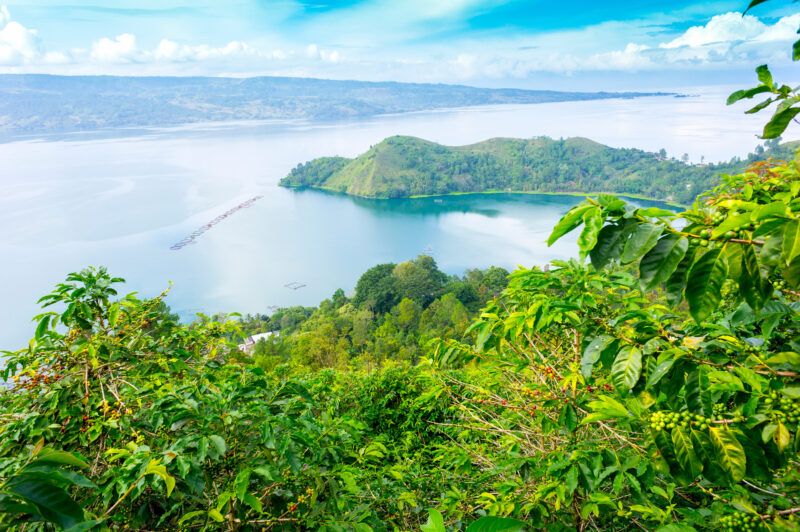
West Sumatra has a growing number of eco-lodges offering surf and yoga packages, especially around Painan and the southern coastline. These retreats combine dawn surf sessions, yoga classes overlooking rice fields or jungle canopies, healthy local meals, and slow-living vibes. Prices typically range from AU$800–1,800 per week.
Accommodation Options for Surfers
Padang: AU$20–80 guesthouses, AU$120–250 hotels
Painan / Carocok: AU$30–100 bungalows
Amping Parak / Tarusan: AU$40–150 eco-lodges
Bungus Bay: AU$40–120 beach bungalows
Mentawai access hotels (Padang): AU$80–250
West Sumatra’s accommodation leans local, authentic, and affordable, with plenty of beachfront guesthouses and eco-stays.
Comparison to Other Surf Destinations
West Sumatra is like Bali forty years ago — raw, wild, uncommercialised, and loaded with world-class potential. Compared to Java, it’s less crowded but just as powerful. Compared to the Mentawais, it’s far cheaper and easier to access, but still receives the same open-ocean swell energy. Among other provinces in Indonesia, West Sumatra stands out as a top destination for surf and adventure, offering a unique blend of natural beauty and cultural experiences. Surfing in Sumatra delivers a distinct experience, with unique waves and vibrant local culture that set it apart from other global surf destinations. Tourism in West Sumatra is growing rapidly compared to more established surf destinations, attracting visitors who want adventure over nightlife. Planning a dedicated surf trip to West Sumatra provides a more adventurous and authentic experience than what you’ll find in more commercialized surf spots.
Expenses (all in AUD)
Accommodation: AU$20–150
Food: AU$5–15 per meal
Transport: AU$10–15 scooters, AU$50–90 driver
Board Rentals: AU$15–20/day
Lessons: AU$30–50
Mentawai Fast Ferry: AU$60–90 each way
Boat Charter (Mentawai): AU$3,000–5,000 per person for week trips
Cultural Notes
West Sumatra is deeply influenced by Minangkabau culture, known for its hospitality, matrilineal traditions, and incredible cuisine. The iconic Minangkabau traditional house, the Rumah Gadang, with its dramatic curved roof, is a symbol of local architecture, while the Mentawai people on the Mentawai Islands live in uma, their own distinctive traditional houses that reflect their unique cultural traditions. The region also bears the mark of Malay influence, visible in language, customs, and historical connections, as well as the legacy of the Dutch, whose colonial architecture and historical sites remain in cities like Padang and Bukittinggi.
Respect local customs, dress modestly away from the beach, and support family-run warungs. Participating in traditional ceremonies is a special way to experience local culture, where you can enjoy authentic foods and drink traditional coffee, often prepared by pouring hot water over grounds and sipping it from a plate or through a straw. Visiting local villages or cultural sites offers foreign tourists the chance to immerse themselves in authentic traditions, observe daily life, and witness ceremonies and crafts firsthand. A little Bahasa Indonesia goes a long way, especially in remote regions.
Cell Coverage and Wi-Fi
Coverage is strong in Padang and Painan but weaker in remote villages and surf zones. Many surf camps provide Wi-Fi, but speeds vary. Hotspot SIM cards are cheap and reliable in towns.
Final Thoughts

West Sumatra is one of the most underrated surf regions in Indonesia. It’s raw, powerful, soulful, and blessed with endless coastline and world-class waves. The mainland delivers a perfect balance between adventure and accessibility — fewer crowds, heavy surf potential, warm water, welcoming locals, and the feeling that you’ve stepped into a Indonesia that still beats to its original rhythm.
Whether you’re warming up before hitting the Mentawais, exploring untouched reef breaks south of Padang, or spending a month surfing empty points in Painan, West Sumatra offers a surf experience that feels real, grounded, and unforgettable. This isn’t a polished surf resort zone — it’s a frontier, a playground, a test, and a paradise for surfers who crave more than just postcard perfection.
When you leave, you won’t just remember the waves — you’ll remember the people, the jungle, the storms, the silence, the sunsets, and that incredible feeling of discovering something truly wild.