Overview of surfing in West Bali
Overview of surfing in West Bali
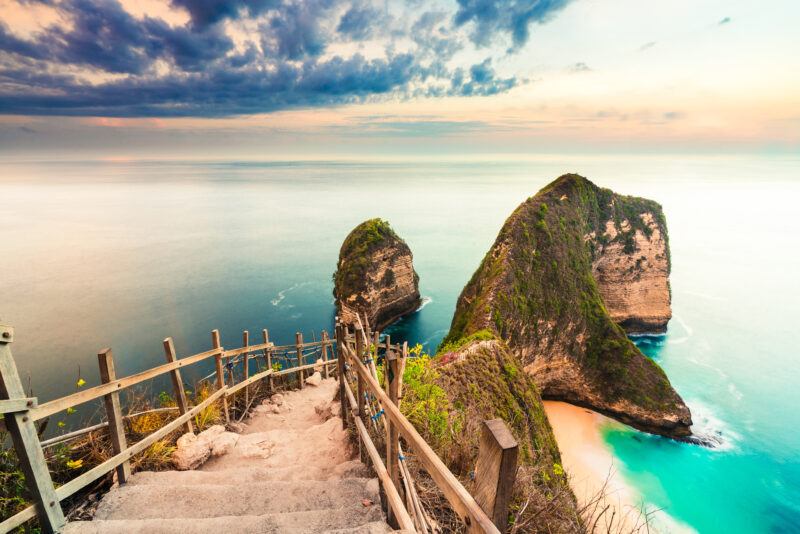
West Bali is where the crowds fade and the island’s wilder spirit takes over. Stretching from Canggu’s busy breaks through Medewi, Pekutatan, and down to the remote jungle-fringed coastlines of Jembrana, this region offers long left-hand points, powerful beach breaks, and an authentic Balinese atmosphere untouched by heavy tourism. West Bali is also renowned for its stunning natural beauty, with the island’s dramatic landscapes and pristine environments setting it apart from other regions.
While most surfers flock south to Uluwatu and Bingin, West Bali moves at a slower pace. Here, time stretches like the waves — long, smooth, and endlessly rolling. Medewi is the star attraction, famous for its long, mellow lefts that peel for hundreds of metres, but the coastline hides plenty more: empty river mouths, secret beachies, and exposed reefs that light up on the right swell. Discover a wide array of surf spots and hidden gems along the coast, where Bali’s beaches are less crowded and more natural than the island’s busier hotspots.
The vibe in West Bali is relaxed and grounded. Villages still run on traditional rhythms, fishermen launch from black-sand beaches, and you’ll often share waves with just a handful of locals. The region is steeped in rich cultural heritage and culture, with traditional temples dotting the landscape and adding to the authentic Balinese atmosphere. It’s the perfect antidote to the hustle of Canggu, a place where surf meets simplicity.
Surf Regions in West Bali
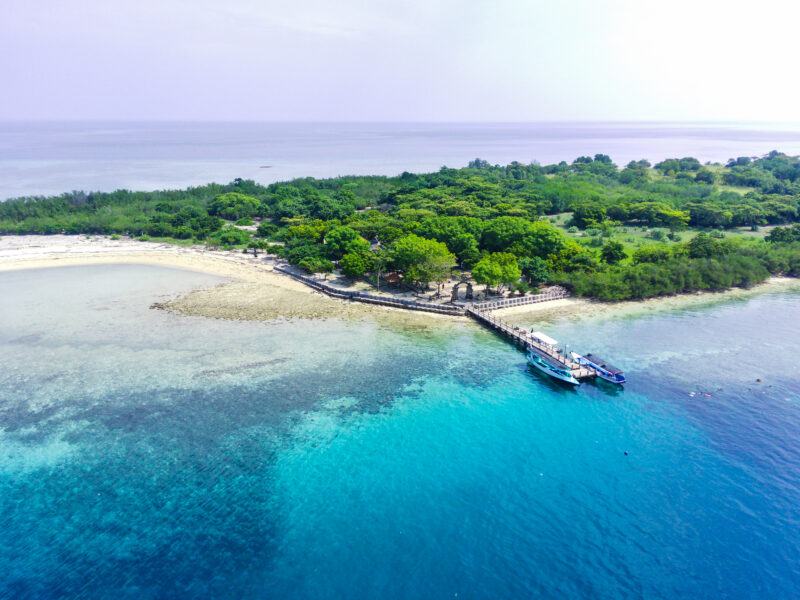
The eastern entry point to West Bali’s surf corridor, just a short drive north from Kuta. Canggu itself has become a bustling surf hub, with surf breaks like Batu Bolong, Echo Beach, Pererenan, and Seseh offering everything from mellow longboard waves to punchy reefs. These coastal areas are busier than the rest of West Bali but still serve as the gateway westward, and are easily accessible for all skill levels. The region also provides convenient access to nearby islands for those looking to explore beyond Bali.
Medewi
The heart of West Bali’s surf scene and home to one of Indonesia’s longest left-hand point surf breaks. Medewi is a cobblestone point that peels endlessly, providing rides that can last up to 500 metres. It’s a dream for longboarders and cruisers, with mellow walls and easy take-offs, making it suitable for a range of skill levels.
Pekutatan
Just west of Medewi, and a short drive along the coastal areas, Pekutatan is a quieter surf area with a mix of river mouths, reefs, and beach surf breaks. It’s less consistent but produces punchy, uncrowded waves when conditions align, catering to both intermediate and advanced skill levels.
Yeh Sumbul and Pulukan
Smaller, lesser-known surf breaks between Medewi and Jembrana. They offer fun, playful peaks with fewer crowds and plenty of local charm. Great for intermediates looking for an alternative to Medewi, and just a short drive from the main surf spots.
Jembrana Coastline
The far-west region of Bali, near the ferry crossing to Java and close to the northern tip of the island, is wild and often empty. Waves break over shallow reef and sand, producing fast lefts and rights. This coastal area is one of the last untouched surf zones on the island, better suited to experienced surfers or explorers with transport, and offers views toward the surrounding islands.
Balian (technically mid-west Bali)
Sitting on the border between central and west, Balian is one of the most consistent surf breaks on the island. It’s a left and right peak at the mouth of a river, with powerful, fun waves year-round for all skill levels. The vibe is mellow and welcoming,
Getting there
Getting There and Access

From Ngurah Rai International Airport, West Bali is a 2.5–4-hour drive depending on where you’re heading. The route from Denpasar takes you through the outer suburbs before reaching the main coastal road. Canggu is closest (1 hour), Balian is about 2 hours, Medewi around 3, and Jembrana up to 4.
Private drivers cost around AU$60–100 each way. You can rent a car, van, or scooter for more flexibility—renting is convenient for exploring multiple surf zones and managing your own schedule. Scooters are fine for short runs, but for longer trips or carrying boards, a car or van with board racks is best. Roads are scenic, winding through rice paddies and coastal villages.
Crowds
Compared to southern Bali, crowds are light. Most visitors tend to stay at the main surf spots, leaving other areas quieter. Medewi can get busy at high tide when everyone’s chasing its long walls, but it’s nothing like Uluwatu. Beyond that, breaks like Pekutatan or Jembrana are often empty. The locals are friendly but protective of certain lesser-known spots — a smile and a bit of Bahasa Indonesia go a long way. The main language spoken here is Bahasa Indonesia, but English is widely understood in surf zones. Common languages in the area include Bahasa Indonesia and English.
Lineup Lowdown
The vibe in West Bali is mellow but respectful. Balinese people are welcoming to visitors who show etiquette. Don’t paddle around people, share waves, and help out if someone snaps a leash. At Medewi, waves are long and forgiving, so everyone gets a turn. At Balian and Pekutatan, currents can make positioning tricky — patience pays off.
Be mindful to respect the customs of Balinese Hindus both in the lineup and on the beach, as their cultural and religious practices are an important part of local life.
Surf seasons and when to go
The best time of the year to surf in West Bali
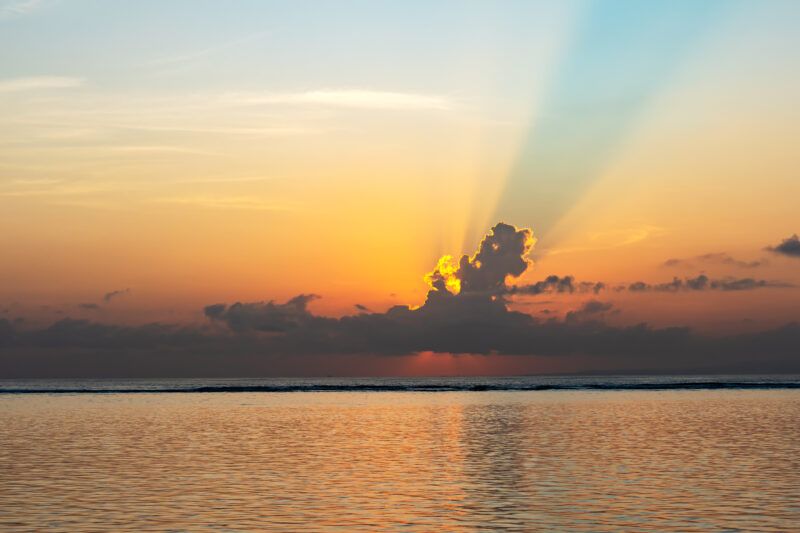
Dry Season (May–October): Dominated by southeast trade winds, this is Bali’s classic surf season and is considered both the peak season and high season for surf tourism. The west coast is offshore in the mornings, with consistent swell and clean conditions. Medewi and Balian are at their best. June is especially popular for surf events and festivals in Bali.
Wet Season (November–April): Also known as the rainy season, this period is less consistent, but early mornings still deliver clean surf before onshore winds hit. Some secret spots in sheltered bays work better this time of year, offering playful, glassy sessions.
Water Temperatures and Weather
Bali has a tropical climate, with water temps hovering around 27–29°C year-round — boardshorts and bikinis only. Air temps range from 26–33°C. The dry season is sunny with offshore winds; the wet season is humid and occasionally stormy. Rain rarely ruins the surf, and cloud-covered sessions can be a welcome break from the heat.
Pack comfortable clothing, such as lightweight and breathable outfits, to stay cool and relaxed in Bali’s warm and humid conditions.
Can’t-Miss Surf Spots
Medewi Point
The longest left-hander in Bali. Medewi offers smooth, rolling walls that can run for up to 500 metres on a good swell. It’s ideal for longboarders and cruisers but fun on any board. The takeoff is easy, the speed sections are playful, and it holds size well. Crowds are mellow, and the lineup vibe is friendly. The rocky shoreline means reef booties help. Medewi is also known for its spectacular views, especially at sunset, with the coastline and nearby temples adding to the scenic and cultural experience.
Balian River Mouth
A consistent A-frame peak breaking at a river mouth, Balian offers both lefts and rights with punchy, powerful takeoffs. It works on all tides, handles solid swell, and is one of the few spots that stays fun even when the rest of Bali is blown out. Intermediate and advanced surfers will love it, and the nearby surf town makes it a great base. The area is dotted with temples and offers spectacular views of the surrounding landscape, making sunset sessions here especially memorable.
Pekutatan
Less famous but super fun, Pekutatan produces fast, hollow waves over reef and sand. On the right tide and swell, it can be world-class, with long lefts wrapping around the point. It’s best for intermediates and up, with light crowds and rustic surroundings. The remote beaches here provide spectacular views, and you can often spot traditional temples nearby.
Yeh Sumbul
A fun, playful break with both lefts and rights. It’s a great fallback when Medewi is too busy or too small. The inside reforms make it ideal for intermediates progressing to bigger waves. Yeh Sumbul is also a great spot to enjoy sunset and take in the spectacular views of the West Bali coastline.
Jembrana Reef
Raw and untouched, this spot fires on solid southwest swells, producing fast, hollow lefts over shallow reef. It’s heavy and remote — advanced surfers only. You’ll likely have it to yourself, but bring everything you need for the day. The area is surrounded by natural beauty, with spectacular views and the occasional temple dotting the landscape.
Canggu (Echo Beach, Batu Bolong, Pererenan)
Technically part of south Bali, but often included in West Bali surf runs. Canggu’s beaches offer punchy, fun waves with modern surf infrastructure. Echo Beach is performance-oriented, while Batu Bolong is perfect for longboarders and learners. The area is famous for its sunset views and proximity to iconic temples, making it a favorite for both surfers and sightseers.
Seseh
A lesser-known right-hand reef near Canggu. When it’s on, it’s a hollow, fast wave with great tube sections. Suited for experienced surfers who want to escape the crowds. Seseh is also close to several temples and offers spectacular views, especially at sunset.
For those new to surfing or looking for lessons, Kuta Beach is a well-known spot in Bali. It’s a protected bay with gentle waves, making it ideal for beginners and offering plenty of surf schools along the shore.

West Bali surf travel guide
Find trips that fit a flexible lifestyle
Learning to Surf in West Bali
Batu Bolong and Medewi are perfect for learners. Both offer soft, rolling waves and sandy or cobblestone bottoms. Lessons range from AU$50–80, with rentals at AU$20–30/day. Medewi Surf School and a few local instructors operate daily, offering personal coaching and board hire.
If you’re a beginner, consider planning a trip to West Bali to take surf lessons and progress your skills.
Safety and Etiquette
- Reefs and rocks are sharp — booties recommended at Medewi and Pekutatan
- Currents at Balian can be strong, especially near the river mouth
- Respect locals, share waves, and be patient
- Bring your own medical kit — nearest hospitals are in Negara or Tabanan
- The Indonesian government provides guidelines and support for tourist safety in the region, including health and emergency services.
- Avoid surfing during heavy river runoff after storms (debris and pollution)
Surf and Yoga Retreats
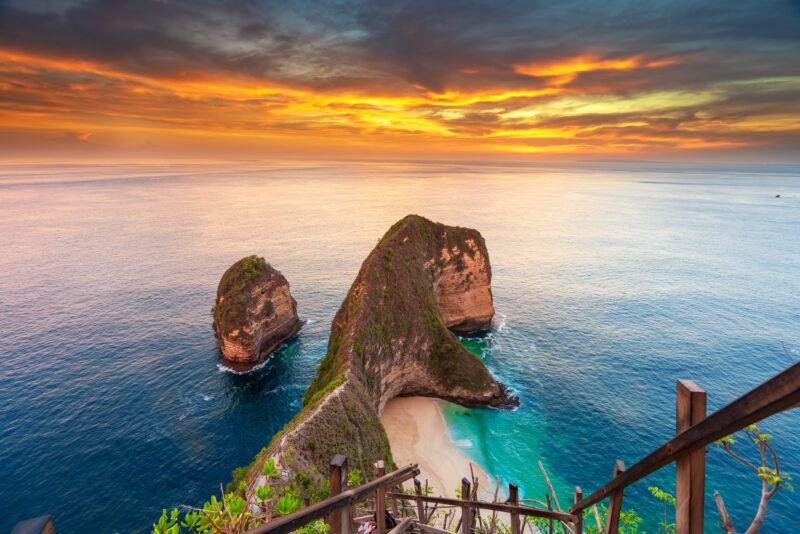
A few eco-lodges around Medewi and Balian offer surf-and-yoga retreats set amid Bali’s scenic rice fields. Packages include daily surf lessons, yoga overlooking rice paddies, and healthy meals. Retreats cost around AU$1,200–2,200 per week. These retreats focus more on balance and calm than nightlife — think early mornings, good waves, and peaceful evenings.
Accommodation Options for Surfers
- Medewi: Guesthouses AU$40–80, mid-range surf stays AU$100–180, eco-lodges AU$200+. You can also rent private villas or homes for more privacy and comfort.
- Balian: Budget rooms AU–60, boutique villas AU0–250. Renting a villa or house is a popular option here for groups or families.
- Pekutatan / Yeh Sumbul: Homestays AU$30–70, beachfront bungalows AU$100–150. Private home rentals are available for longer stays.
- Jembrana: Limited, mostly basic homestays AU$40–80. Rental options are fewer, but some private accommodations can be found.
- Canggu: Hostels AU–70, hotels AU0–300. Many travelers choose to rent villas or apartments for flexibility.
Compared to these areas, Seminyak offers a wider range of upscale accommodation and dining options, including high-end hotels, luxury villas for rent, and a diverse culinary scene, making it ideal for travelers seeking a more premium experience.
Comparison to Other Surf Destinations
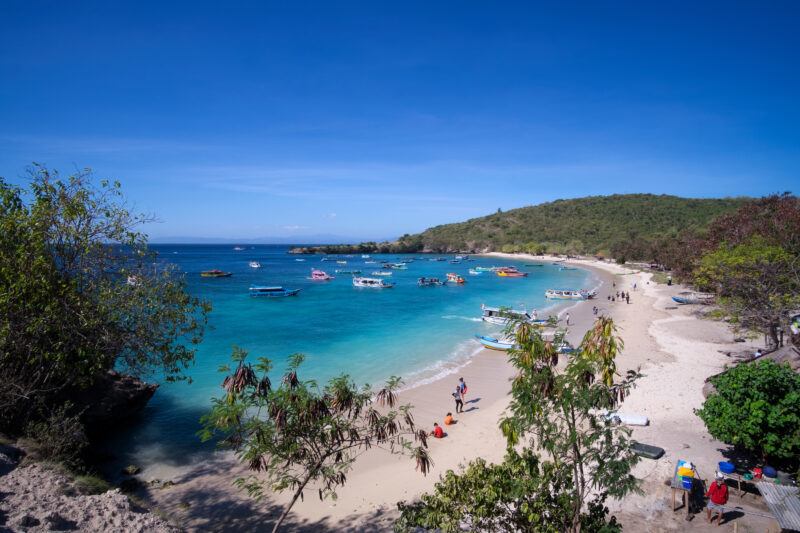
West Bali is the laid-back cousin to Bukit’s high-performance surf scene. It’s slower, quieter, and less polished, but that’s exactly its charm. As a unique destination within Bali, West Bali offers an authentic experience that stands out even when compared to other countries, providing excellent value and a distinctive atmosphere. Compared to Canggu, it’s more authentic. Compared to Lombok, it’s more accessible. And compared to Java, it’s far less intense. Bali island itself is renowned as a world-class travel destination, celebrated for its rich culture, stunning landscapes, and vibrant history. For surfers looking for long rides and no crowds, West Bali hits the sweet spot between adventure and comfort. If you’re planning your next surf trip, make sure to visit Bali for a truly unforgettable experience.
Expenses (all in AUD)
- Accommodation: AU$40–250 per night (approx. IDR 400,000–2,500,000)
- Food: AU$5–15 for local meals, AU$25–50 at restaurants (IDR 50,000–750,000)
- Transport: Car hire AU$60–100/day, driver AU$80–120/day (IDR 600,000–1,200,000)
- Surf Costs: Rentals AU$20–30/day, lessons AU$50–80/session (IDR 200,000–800,000)
- Retreats: AU$1,200–2,200 per week (IDR 12,000,000–22,000,000)
Note: Prices are listed in both Australian dollars (AUD) and Indonesia’s currency, the rupiah (IDR). Exchange rates may fluctuate, so check current rates before your trip. Many visitors from Australia find Bali affordable compared to prices at home, making it a popular destination for Australian tourists.
Cultural Notes
West Bali is deeply traditional, with a rich cultural heritage that influences daily life. Villages follow ancient customs, ceremonies fill the calendar, and locals are humble and kind. Bahasa Indonesia is the main language, though English is also widely spoken. A few phrases in Bahasa Indonesia or Balinese will earn smiles. Dress modestly away from the beach, respect offerings on the ground, and support local warungs instead of big resorts. Surfing here is still seen as part of daily life, not a trend.
Cell Coverage and Wi-Fi
Coverage is decent along the main coastal highway but weak in remote areas like Jembrana. Wi-Fi is available in most surf camps and hotels, though it can be slow. For work or uploading clips, Medewi and Balian offer the best connectivity.
Final Thoughts
West Bali is where time slows down and the waves keep rolling. It’s the side of Bali that still feels real — fishermen mending nets on black-sand beaches, roosters crowing at sunrise, and endless lefts peeling under glowing sunsets.
As part of the Lesser Sunda Islands archipelago, Bali stands out as one of the world’s top surf destinations, and West Bali offers a destination for those seeking authentic experiences away from the crowds. The Indonesian government continues to support tourism in the region, helping to preserve its unique culture and natural beauty.
Whether you’re a beginner catching your first green wave at Medewi or an explorer hunting empty reefs near Jembrana, West Bali gives you the best of both worlds: world-class surf and genuine Balinese charm. Take time to explore the lesser-known islands and regions of West Bali for a deeper connection to the island’s true spirit.
For surfers chasing perfection without the chaos, West Bali is a reminder that you don’t have to go far from the spotlight to find paradise.