
Surfing in Central America (South)
Surfing guide to Central America (South), Central America
Central America (South) has 3 main surf areas. There are 97 surf spots and 5 surf holidays. Go explore!


Overview of surfing in Central America (South)
Overview of surfing in Southern Central America
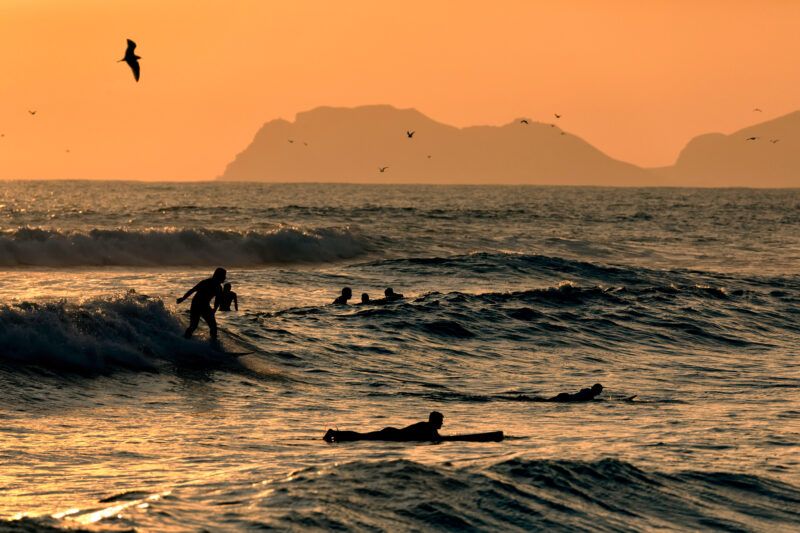
Southern Central America – mainly southern Costa Rica and Panama – is one of the most wave-rich, tropical, surfer-obsessed regions on the planet. Think warm Pacific water, lush jungle, lush rainforests, howler monkeys in the treetops, long left-hand points, hollow beach breaks, island reefs, and small surf towns built entirely around surfing, yoga, and barefoot living.
On the Costa Rica side, the southern Pacific is all about powerful beach breaks around Playa Hermosa, fun, consistent waves in Dominical, reefy setups near Uvita, long playful walls around the Osa Peninsula, and the mythical left-hand point at Pavones – one of the longest waves on Earth when it’s on.
Down in Panama, the Pacific coast serves up the hollow, heavy walls of Santa Catalina, the playful yet punchy beach breaks of Playa Venao, the long lefts of Cambutal, and the tropical reef-and-beach combo setups in places like Morrillo and the Coiba region. Add the Caribbean-side islands of Bocas del Toro if you want extra tropical juice – slabs, beach breaks, and reef peaks with emerald water.
Surfing in southern Central America means long swell seasons, warm water, relatively affordable living, easy surf progression for beginners and intermediates, and plenty of legit waves for advanced surfers. It’s a mix of mellow boho villages, jungle lodges, party hostels, remote eco-stays, and fishing hamlets turned surf hubs.
It’s one of the best regions in the world for a multi-week or multi-month surf trip: you can chase points, beachies, reefs, lefts, rights, and offshore winds across two countries without ever needing rubber thicker than a springsuit (and often not at all). Southern Central America is also a popular tourist destination thanks to its incredible biodiversity and appeal to international visitors.
Surf Regions in Southern Central America Map
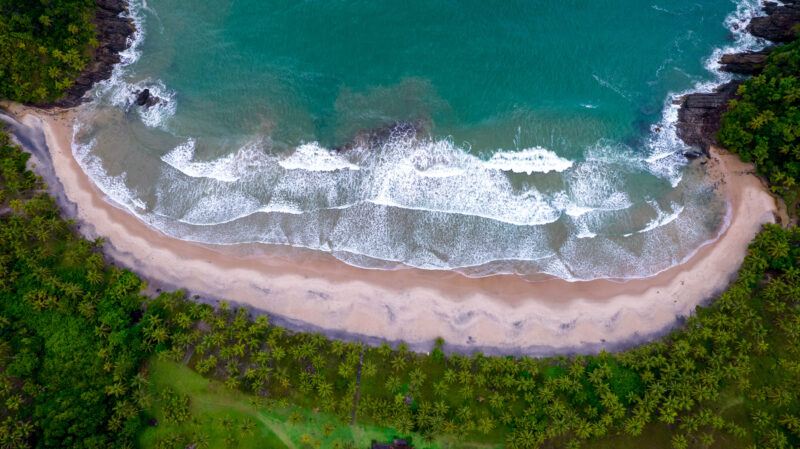
South Pacific Costa Rica (Jaco to Pavones)
Powerful beach breaks, fun reefs, long left-hand points, and wild jungle coastline.
Osa Peninsula & Golfo Dulce (Matapalo, Backwash, Pavones)
Tropical bays, rainforest backdrop, glassy mornings, insanely long lefts, and proximity to unique cloud forest ecosystems that support remarkable biodiversity.
Pacific Panama – Azuero Peninsula (Santa Catalina, Playa Venao, Cambutal)
Heavy reef breaks, punchy beach breaks, and some of Central America’s most reliable surf zones.
Pacific Panama – Veraguas & Coiba Region (Morrillo, Coiba area)
Exposed coastline, powerful waves, surf camps, and boat-access reef setups.
Caribbean Panama (Bocas del Toro)
Islands, reef slabs, warm clear water, and a mix of beginner-friendly and expert-only spots.

Getting there
The Good
- Warm water year-round
- Lefts AND rights, points AND beach breaks
- Some of the longest left-hand waves in the world
- Waves for beginners, intermediates, and chargers
- Jungle scenery and wildlife everywhere
- Coral reefs offering vibrant marine biodiversity and unique surf spots, ideal for eco-tourists and snorkeling
- Affordable by global surf standards
- Long swell seasons from both hemispheres
- Endless opportunities for surf camps and retreats
The Bad
- Roads can be sketchy in rainy season
- Heat and humidity can be intense
- Mosquitoes and sandflies in jungle areas
- Some zones are remote with limited medical access
- Reef cuts and sea urchins are common
- Localism at a few key spots when it’s pumping
- Onshore winds can kill afternoons in some regions
Getting There and Access
Main airports:
Costa Rica
- San José (SJO)
- Quepos/Manuel Antonio (local)
- Golfito (local)
Panama
- Panama City (PTY)
- David (DAV) for western Panama
Approx drive times:
San José → Jaco: 1.5–2 hours
San José → Dominical: 3.5–4 hours
San José → Pavones (via Golfito): 6–8 hours total
Panama City → Santa Catalina: 6–7 hours
Panama City → Playa Venao: 5–6 hours
Panama City → Cambutal: 6–7 hours
Panama City → Bocas del Toro: 9–10 hours by bus + boat (or fly to Bocas)
You basically need a car or shuttle + boat combo. 4×4 is handy in rainy season, especially around Osa, Pavones, Cambutal, and backroad zones.
Crowds
Jaco / Hermosa: busy
Dominical: medium, spreads out
Uvita area: light to moderate
Matapalo / Backwash: light to medium
Pavones: can get packed when it’s firing
Santa Catalina: medium, competitive takeoff zone
Playa Venao: busy but friendly
Cambutal: moderate
Morrillo: light
Bocas del Toro: medium to heavy at marquee reefs
Shoulder seasons usually mean fewer people and still very good surf.
Lineup Lowdown
General vibe is friendly, but respect is non-negotiable:
- Don’t paddle straight to the top of a point at Pavones or Santa Catalina
- Let locals have their set waves
- At long points, don’t hog every single wave – kick out early occasionally
- Rotate waves and don’t snake people on a long wall
- At surf-camp beach breaks, give learners lots of room
- Reef breaks can get serious; don’t paddle out if you’re clearly under-gunned
Be chill, patient, and smiley, and you’ll have a great time.
Surf seasons and when to go
The best time of the year to surf in Central America (South)
Surf Seasons and When to Go on the Pacific Coast
Pacific side (Costa Rica + Panama):
Dry season (Nov–April):
- Offshore winds most mornings
- Consistent north swells on some coasts, early south swells starting up
- Great time for Hermosa, Dominical, Venao, Santa Catalina
Rainy / green season (May–Oct):
- Stronger south and southwest swells
- Bigger surf, thicker walls, more power
- Afternoons can storm out or turn onshore
- Pavones, Matapalo, Cambutal, Morrillo, and Santa Catalina can be incredible
Caribbean side (Bocas del Toro):
- Main seasons: Dec–March and June–Aug
- Dependent on tropical systems and trade wind patterns. During the winter dry season, trade winds bring cooler temperatures and can influence both the climate and surf conditions, often leading to more consistent swell and variable wind directions.
Best all-round windows for a combined “South Central America surf road trip”:
- March–June
- August–early November (heavier but dreamy)
Water Temperatures and Weather
Water temps (Pacific + Caribbean):
- 26–29°C almost year-round
- Very occasional mild upwelling on exposed Pacific points
No full wetsuit needed. Maybe a thin springsuit or neoprene top if you’re sensitive or on dawnies during windier months.
Air temps:
- 28–34°C days
- Humid, especially in rainy season
- Afternoon thunderstorms common in wet season
Sun is brutal – zinc or you’re toast.
Can’t-Miss Surf Spots in Costa Rica
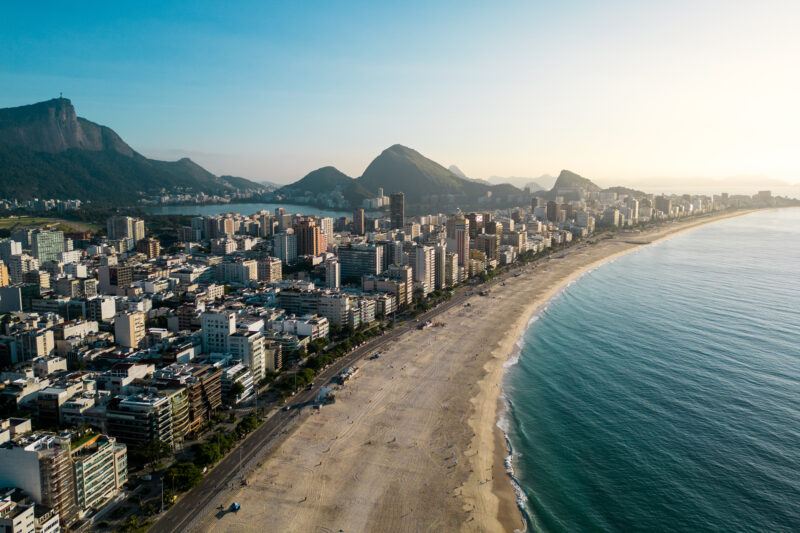
Playa Hermosa (Central Pacific Costa Rica)
A powerful, punchy black-sand beach break just south of Jaco. Famous for hollow, fast waves that can get heavy at size. Super consistent, with peaks lining the whole beach – great for advanced surfers, but also manageable for strong intermediates on smaller days. The famous Arenal Volcano, one of Costa Rica’s top natural attractions, is also within reach for a day trip inland.
Dominical (Southern Costa Rica)
A long, powerful beach break that picks up heaps of swell. Strong rips, powerful peaks, and very consistent surf. Town feels chilled and slightly boho, with a solid core surf community. Good for intermediates and advanced surfers – beginners usually stick to the inside reforms or calmer days. Arenal Volcano is also a notable natural wonder nearby, making this region a great base for both surf and adventure.
Uvita / Playa Hermosa (South of Uvita, not the Jaco one)
More mellow than Dominical with wide, sandy bays and long, soft lines. Ideal for intermediates and longboarders when the swell drops, but still capable of producing fun, punchy peaks at size. Very scenic, with whales, jungle, and national parks close by.
Cabo Matapalo (Osa Peninsula)
A cluster of beautiful right-hand points and reefy waves at the tip of the Osa Peninsula. The main points can be long, playful, and super fun for intermediates and longboarders. Backwash Bay and surrounding reefs offer more power and heavier sections for advanced surfers. Jungle vibes, macaws, monkeys, and glassy mornings.
Pavones (Southern Costa Rica / Golfo Dulce)
One of the longest left-hand waves in the world when a solid south swell slams into the gulf. Rides can last what feels like forever – linking section after section down the point. On its day it’s a dream: long walls, cutback heaven, and tube sections. Crowds and localism can be intense, but there’s plenty of wave if you’re patient and respectful.
Santa Catalina (Pacific Panama)
Panama’s most iconic wave – a long, powerful right-hand reef point that offers carvable walls, barrel sections, and heavy takeoffs when it’s big. Handles serious size and can feel like a mini Indo on the right swell and tide. Not for total beginners, but intermediate and advanced surfers love it.
Playa Venao (Azuero Peninsula, Panama)
A crescent-shaped bay with a consistent, punchy beach break that works on a wide range of tides and swells. Peaks everywhere: lefts and rights, soft on small days, hollow and fast on bigger swells. A full-on surf hub with camps, hostels, hotels, and a lively social scene – a great base for digital nomads and travelling surfers.
Cambutal (Azuero Peninsula, Panama)
More rugged and exposed than Venao, with heavy beach breaks and reef setups that pick up serious swell. On the right day, you get long reef walls and strong, powerful peaks. Much quieter, more “end-of-the-road” energy, and ideal if you want fewer people and more raw Pacific power.
Morrillo (Veraguas, Panama)
A powerful, wedgy beach break that can offer thick barrels and steep drops when the sandbanks align. Very exposed, with less infrastructure and fewer people. Strong rips and punchy lips – advanced surfers’ playground when bigger.
Bocas del Toro (Caribbean Panama – region level)
A dreamy island chain with multiple reef breaks: punchy slabs, fun point-style walls, and playful beach breaks. On small swells it’s mellow and tropically perfect; on strong trades and big Caribbean storms it becomes serious very quickly. A great counterpoint to the Pacific if you want something different in the same trip. The Bay Islands are another notable Caribbean surf and natural destination in the region, offering more options for adventurous travelers.

Central America (South) surf travel guide
Find trips that fit a flexible lifestyle
Learning to Surf in Southern Central America

Best beginner-friendly zones:
- Dominical (inside reforms + small days)
- Uvita / Playa Hermosa (south)
- Some Matapalo points on tiny swell
- Playa Venao (small to medium days)
- Bocas del Toro beach breaks on smaller swells
Typical prices (AUD):
- Lessons: AU$30–70 per session
- Board rental: AU$10–25 per day
Warm water + soft sand + lots of surf schools = perfect for learning and progressing, especially in spots like Dominical, Uvita, and Venao.
Safety and Etiquette
- Rips can be strong at Dominical, Hermosa, Venao, Morrillo
- Reef breaks like Santa Catalina and some Bocas reefs are shallow and sharp
- Reef cuts + sea urchins are common – disinfect immediately
- Tropical heat → hydrate and avoid midday sun if possible
- Some remote areas (Osa, Cambutal, Morrillo) have limited medical access
- At long points like Pavones and Santa Catalina, don’t paddle past everyone and take every bomb – that’s the easiest way to get side-eyed
As always: know your limits, watch the ocean before paddling out, and err on the side of caution at powerful new breaks.
Surf and Yoga Retreats
You’ll find surf and yoga retreats everywhere, especially in:
- Dominical and Uvita
- Osa Peninsula
- Pavones area
- Playa Venao
- Bocas del Toro
Most retreats bundle:
- Daily surf sessions or coaching
- Yoga + breathwork
- Healthy meals
- Jungle hikes / waterfall missions
- Massage / wellness treatments
Typical weekly retreat cost: AU$900–3,000+ depending on luxury level and location.
Accommodation Options for Surfers
Rough AUD ranges across Costa Rica + Panama south:
Budget hostels: AU$15–35 per night
Surf camp dorms: AU$25–60 per night (often includes some extras)
Guesthouses / cabinas: AU$40–100 per night
Boutique eco-lodges: AU$100–300 per night
Luxury hotels or villas: AU$250–700+ per night
Venao, Dominical, and Pavones have a full spread from shoestring to luxe. Cambutal, Morrillo, and some Osa/Pavones zones lean more rustic or eco-lodge.
Comparison to Other Surf Destinations
Southern Central America vs Northern Central America (Nicaragua / El Salvador):
- Warmer water pretty much year-round
- More lush jungle + tropical wildlife
- Slightly less offshore-all-day wind perfection
- More variety for beginners and intermediates
Central America is made up of seven countries, each with its own unique surf culture and geography. The small countries of Central America make it easy to travel between different surf spots, allowing surfers to experience a wide range of waves in a short time. Many Central American countries share similar climate, biodiversity, and surf conditions, making the region especially appealing for surf travelers.
Southern Central America vs Mexico:
- Softer overall than many Mexican beach breaks
- Less heavy shorebreak than Puerto Escondido-type spots
- More user-friendly for progression
Southern Central America vs Indonesia:
- Less mechanically perfect but way easier for mixed skill levels
- More forgiving waves overall
- Less reef brutality (though still plenty of reef)
- Shorter flights for Americans / Canadians
It’s arguably the best mix of “world-class enough to keep experts stoked” and “chill enough for beginners and improvers” on the planet.
Expenses (AUD)
Average daily budget ranges:
Shoestring backpacker:
- Dorm bed: AU$15–30
- Cheap food: AU$10–20
- Occasional board rental: AU$10–20
- Daily total: ~AU$40–70
Comfortable mid-range:
- Private room / cabina: AU$60–150
- Meals + snacks: AU$25–50
- Transport + extras: AU$15–30
- Daily total: ~AU$100–220
Higher-end surf traveller:
- Boutique lodge or villa: AU0–400+
- Meals + drinks: AU$40–80
- Trips, tours, yoga, etc: AU$20–60
- Daily total: AU$250–500+
Still much cheaper than Europe, Hawaii, or most of Australia for equivalent wave quality.
Be aware that the exchange rate between your home currency and local currencies (such as the Costa Rican colón, Panamanian balboa, or U.S. dollar) can affect your overall expenses.
Cultural Notes and National Parks
You’re basically bouncing between Costa Rican “pura vida” energy and Panamanian laid-back coastal vibes. Expect:
- Friendly locals
- Spanish widely spoken (English in surf zones, but not always elsewhere). Spanish is the official language in both Costa Rica and Panama.
- Native languages and indigenous languages are still spoken in some rural areas, reflecting the region’s rich cultural heritage.
- Indigenous people and indigenous groups have a strong presence, with ongoing influence on local culture and traditions.
- Rice, beans, plantains, fish, ceviche, tacos, patacones
- Cold beers at sunset in beach bars or simple sodas
- Surfboards stacked on 4x4s and tuk tuks
- Roosters, dogs, howler monkeys, and tropical birds as your alarm clock
Being respectful, tipping fairly, learning a few Spanish phrases, and supporting local-owned businesses go a long way.
Cell Coverage & Wi-Fi
- Coverage is generally good along main coastal towns
- Weaker in remote zones like deep Osa, remote headlands, and boat-access breaks
- Wi-Fi is standard in surf camps, hostels, cafés, and hotels
- Plenty of digital nomads base themselves in Dominical, Uvita, Venao, and Bocas
Downloading offline maps before heading into more remote areas is always a good idea.
Final Thoughts
From the black-sand thump of Playa Hermosa and the powerful walls of Dominical to the dreamy length of Pavones, the reef perfection of Santa Catalina, the playful curve of Playa Venao, and the island magic of Bocas del Toro, this region delivers more variety and more waves than most surfers could ask for in a lifetime.
If you want tropical, warm, wave-rich, and a little bit wild, southern Central America is the move. It’s not just a surf trip zone – it’s somewhere you can stay for months, improve massively, and keep finding new setups long after most people would have gone home. The entire area of southern Central America offers a diverse range of surf experiences, stunning natural beauty, and rich cultural attractions, making it a truly unique destination.
Absolute core region. Endless replay value.