Overview of surfing in North Sumatra
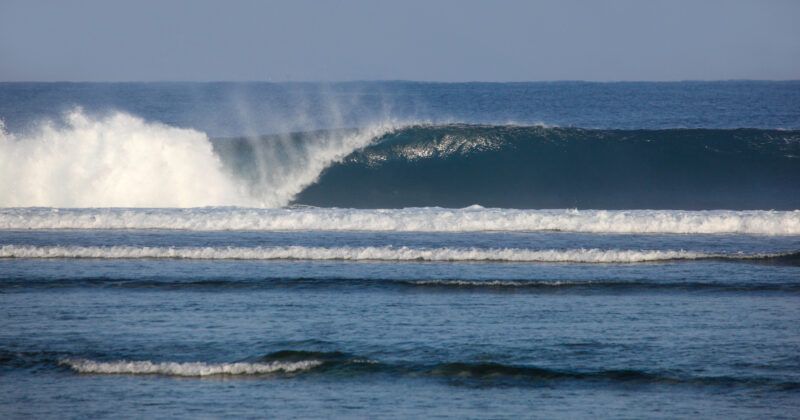
North Sumatra is one of Indonesia’s most adventurous and rewarding surf regions, offering a mix of raw mainland coastline, remote offshore islands, heavy reef breaks, and deep cultural richness. While many surfers associate Sumatra with the Mentawai Islands further south, North Sumatra delivers a completely different experience — less polished, less crowded, more rugged, and deeply immersive. Sumatra surf is a key part of the Indonesian surf scene, known for its hidden gems and high-quality waves that attract surfers seeking something off the beaten path.
The region is defined by jungle-covered hills, volcanic terrain, fishing villages, and long stretches of coastline facing directly into the Indian Ocean. As an Indonesian island region, North Sumatra stands out among Indonesia’s many surf-rich islands for its unique character and wave variety. Swell consistency is excellent, with year-round Indian Ocean energy lighting up reefs and points whenever conditions align. The waves here tend to be powerful and reef-based, best suited to intermediate and advanced surfers, though protected bays and smaller reefs can offer friendlier options on the right days. Beach breaks are rare but can be found in certain sheltered bays, providing more accessible waves for beginners or those looking for gentler surf.
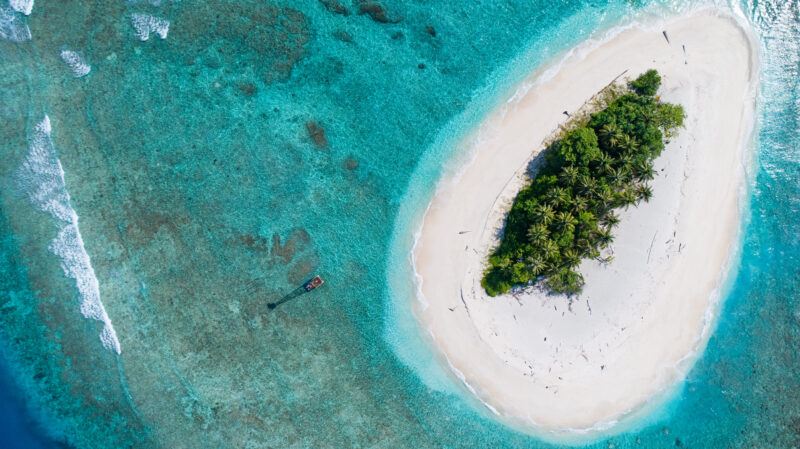
Surf travel in North Sumatra is not plug-and-play. It involves ferries, boats, dirt roads, local guides, and flexibility. However, there is easy access to some surf spots and attractions, such as Medan or Lake Toba, making parts of your journey more convenient. In return, you get uncrowded lineups, crystal-clear water, dramatic landscapes, and waves that feel like Indonesia before mass tourism. The surf culture is quiet and respectful, with strong ties to local communities and a pace of life that moves far slower than Bali or Lombok.
For surfers chasing adventure, authenticity, and quality waves without the crowds, North Sumatra is a deeply rewarding destination.
Surf Regions in North Sumatra
Mainland North Sumatra Coast
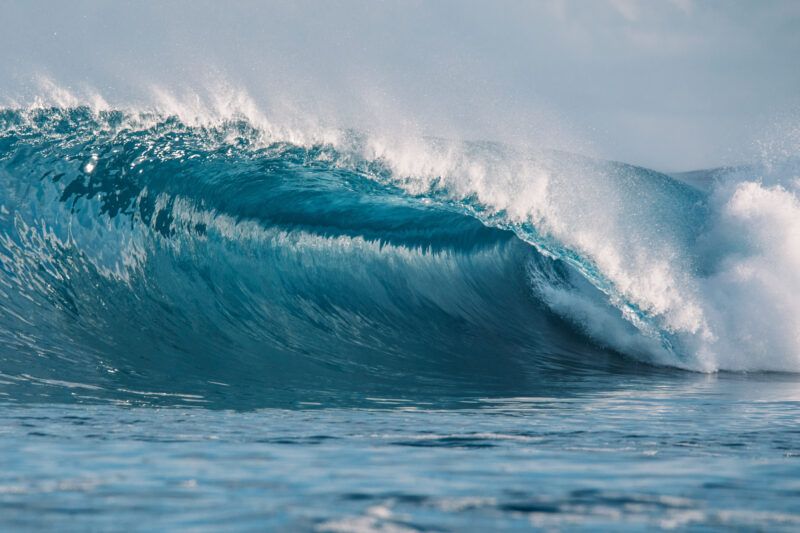
Exposed beaches, river mouths, and reef setups with seasonal potential. The mainland also features some beach breaks that are more forgiving, making them suitable for intermediate surfers looking to progress.
Nias/” title=”Nias” data-wpil-keyword-link=”linked” data-wpil-monitor-id=”7925″>Nias Island (Southern Coast)
Home to one of the most famous waves in the world, Nias boasts some of the best waves and epic breaks in Indonesia, along with several surrounding reefs.
The wave quality here is renowned; during peak season, large swells and big swells transform the surf into a playground for advanced surfers.
Banyak Islands
A remote island chain with uncrowded reef breaks and lagoon-protected setups. Charter boats and surf charters are the most practical way to reach the Banyak Islands and explore their remote surf spots. Boat trips often include opportunities to snorkel and experience the vibrant underwater life around the islands.
Hinako Islands
Small offshore islands near Nias offering heavy, technical waves.
Remote Offshore Reefs
Boat-access-only waves that fire under specific swell and wind conditions.
Getting there
Getting There and Access
Most surfers fly into Medan (KNO), the main international gateway. Travelers from West Java (Jakarta) often connect through Medan, and Wings Air operates convenient short-haul flights to regional airports.
From Medan:
- Domestic flight or long drive + ferry to Nias/” title=”Nias” data-wpil-keyword-link=”linked” data-wpil-monitor-id=”7930″>Nias
- Boat transfers to Banyak or Hinako Islands. Charter boats are commonly used to reach remote surf spots and islands.
Travel times can be long and unpredictable. Buffer days are essential. Boat access is required for many waves.
Crowds
Mainland coast: very light
Nias (Lagundri Bay): light–moderate
Banyak Islands: very light
Hinako Islands: almost empty
Even the most famous spots are quiet compared to Bali or the Mentawais.
Lineup Lowdown
Lineups in North Sumatra are respectful but serious:
- Locals have priority
- Don’t paddle out beyond your ability
- Know the reef and tide before entering
- Share waves fairly
- Respect boat drivers and surf guides
- Support local businesses and communities
Good manners go a long way in remote regions.
Surf seasons and when to go
The best time of the year to surf in North Sumatra
Surf Seasons and When to Go
Peak Season (April–October)
Peak surf season coincides with the dry season (April–October).
Consistent swell
Offshore winds common
Best waves and big swells are most common during this period
Best quality waves
Ideal for experienced surfers
Shoulder Season (March & November)
Good swell with fewer travelers (the shoulder season is sometimes considered the ‘off season’ for surf travel, with fewer crowds and more variable conditions)
More variable winds
Still very surfable
Wet Season (December–February)
Smaller swell
Onshore winds more common
Occasional clean windows
Hot and humid
Best overall: May–September
Best for exploration: June–August
Water Temperatures and Weather
Water: 26–29°C
Air: 27–33°C
No wetsuit needed.
High humidity, tropical rain showers, and strong sun are common.
Can’t-Miss Surf Spots
Nias/” title=”Nias” data-wpil-keyword-link=”linked” data-wpil-monitor-id=”7929″>Nias Island
Lagundri Bay (Sorake)
One of the most famous right-hand reef breaks in the world. Long, mechanical walls, deep barrels, and incredible consistency make this wave legendary. It is renowned for producing some of the best waves and epic breaks in the region, especially during large swells and big swells. Best on mid to large swell with experienced surfers only.
A faster, heavier right-hander located near Lagundri. Produces hollow sections and requires confidence and positioning.
Bawa
A shorter, punchy reef wave with playful walls. Great for intermediate to advanced surfers on smaller days.
Hinako Islands
Asu
A powerful, hollow reef break with both left and right options depending on swell direction. Clear water and shallow reef demand precision.
Hinamaro
A fast, technical reef wave that fires on specific swell angles. Rarely crowded.
Banyak Islands
Treasure Island Reef
A long, peeling reef break offering fun walls and barrel sections. Works best on mid-sized swell. Charter boats and surf charters are the main way to access these remote and epic breaks.
Lagoon Left
A playful left-hander inside a protected lagoon. Great for intermediates and cruisy sessions. Boat trips often include snorkeling stops to explore the rich underwater life of the Banyak Islands.
Outer Reef Peaks
A series of unnamed reefs that light up during larger swell. Accessed by boat and often completely empty.
Mainland North Sumatra
Pantai Ujung Batu
A rocky reef setup that breaks on solid swell. Inconsistent but fun when conditions align.
River Mouth Peaks
Seasonal sandbars that form near river outlets after rain and swell. Short-lived but enjoyable. These sandbars can create beach breaks that are suitable for intermediate surfers, especially on smaller days.

North Sumatra surf travel guide
Find trips that fit a flexible lifestyle
Learning to Surf in North Sumatra
North Sumatra is not ideal for beginners. While true beach breaks are rare in the region, some sheltered spots can be suitable for intermediate surfers looking to progress their skills.
Beginner-friendly options are limited to:
- Lagoon-style waves in the Banyak Islands
- Very small days at sheltered reefs (reef booties are recommended for anyone learning or surfing over shallow reefs)
Most learners are better suited to Bali or Lombok before coming here.
Safety and Etiquette
- Sharp coral reefs
- Strong currents and long hold-downs
- Limited emergency services
- Long boat rides to waves
- Tropical sun exposure
- Wear reef booties to protect your feet on sharp coral.
- Respect local customs and dress modestly on land
- Always surf with others in remote zones
Preparation and experience are critical.
Surf and Yoga Retreats
Retreat-style operations are limited but growing, mainly in:
- Nias
- Banyak Islands
They often include:
- Guided surf sessions
- Boat transfers
- Boat trips
- Yoga and mobility work
- Meals and accommodation
Prices range from AU$1,200–4,000 depending on location and comfort.
Accommodation Options for Surfers
Budget homestays: AU$20–50
Surf camps: AU$80–200
Island lodges: AU$150–500
Charter boats / surf charters: AU$250–600/night (ideal for those seeking a mobile surf experience and access to remote breaks)
Nias offers the widest range of surf accommodation.
Comparison to Other Surf Destinations
North Sumatra vs Mentawai Islands:
- Fewer crowds
- Less polished
- Slightly less consistent perfection
- More affordable
- Telo Islands, located in South North Sumatra, are another notable surf region nearby, known for quality waves and accessibility.
North Sumatra vs Bali:
- More powerful
- Far fewer people
- Less infrastructure
North Sumatra vs Sumbawa:
- Similar adventure level
- Heavier reef focus
- More remote logistics
Compared to South Sumatra, which features popular spots like Mandiri Beach with its sandbanks and varying surf conditions, North Sumatra offers a different, more authentic experience.
Many travelers reach North Sumatra by routing through West Java (Jakarta), which serves as a major transportation hub.
North Sumatra is about authenticity over convenience.
Expenses (AUD)
Accommodation: AU$20–600
Board transport flights: variable
Boat transfers: AU$50–200
Meals: AU$3–10
Guiding: AU$50–150/day
Overall good value for world-class waves.
Tip: Consider bringing duty free items, such as alcohol, as these can be expensive or hard to find locally.
Cultural Notes
Expect:
- Friendly but reserved local communities
- Strong Christian and Muslim influences depending on island
- Traditional fishing culture
- Slow island pace
- Limited nightlife
- Deep respect for guests who respect the land
- Lake Toba is a must-see natural and cultural site, renowned as the largest volcanic lake in the world and a highlight of North Sumatra.
Learning a few Indonesian phrases goes a long way.
Cell Coverage & Wi-Fi
Good in Medan and towns
Limited on islands
Wi-Fi available in surf camps
Offline maps essential
Environmental Impact
Sumatra’s wild beauty and world class waves have made it a bucket-list destination for surfers, but the island’s pristine environment faces growing challenges. The west coast, with its consistent Indian Ocean swells and uncrowded waves, is a tropical paradise for surf trips—but it’s also an ecosystem under pressure.
One of the biggest threats comes from palm oil plantations, which have led to widespread deforestation and loss of wildlife habitat across North Sumatra and beyond. These changes not only impact the jungle landscape but can also affect water quality and the health of the coral reefs that create the region’s epic surf breaks. As surfers, it’s important to be mindful of our footprint—choosing surf camps and surf resorts that support sustainable practices and local conservation efforts can make a real difference.
The Indian Ocean itself is the lifeblood of Sumatra’s surf scene, delivering the most consistent swells and shaping the powerful reef breaks that attract experienced surfers from around the world. But the ocean’s health is fragile. Pollution, overfishing, and careless behavior can damage the shallow reef systems, especially around hotspots like Aura Surf Resort and the Hinako Islands, where perfect waves break over living coral. Simple steps—like avoiding single-use plastics, respecting local marine life, and using reef-safe sunscreen—help protect these underwater treasures.
Natural disasters, such as earthquakes and tsunamis, are a reality in this part of the Indonesian archipelago, sometimes impacting both the environment and local communities. Supporting surf camps and surf resorts that invest in community resilience and environmental stewardship is one way surfers can give back.
Whether you’re chasing uncrowded waves in the Banyak Islands, exploring the north west coast, or enjoying the consistent swells of south sumatra, every surf session is a chance to appreciate—and help preserve—Sumatra’s unique environment. By choosing eco-friendly accommodation, supporting local guides, and respecting the fragile coral reefs, surfers can ensure that North Sumatra remains a world class destination for intermediate and advanced surfers for years to come.
Sumatra’s waves are some of the best in the world, and its natural beauty is unmatched. With a little extra care, surfers can help keep this tropical paradise thriving—so the next generation can experience the same epic waves, vibrant reefs, and wild landscapes that make a surf trip to North Sumatra unforgettable.
Final Thoughts
North Sumatra is a surf destination for committed surfers seeking real adventure. It delivers world-class reef breaks, warm water, minimal crowds, and a deep connection to Indonesian culture and landscape. The logistics are harder, the waves are heavier, and the rewards are greater.
From the legendary walls of Lagundri Bay to the untouched reefs of the Banyak and Hinako Islands, North Sumatra offers a rare opportunity to experience Indonesian surfing in its rawest, most authentic form. It’s not easy — but it’s unforgettable