


Overview of surfing in Indian Ocean
Overview of surfing in the Indian Ocean
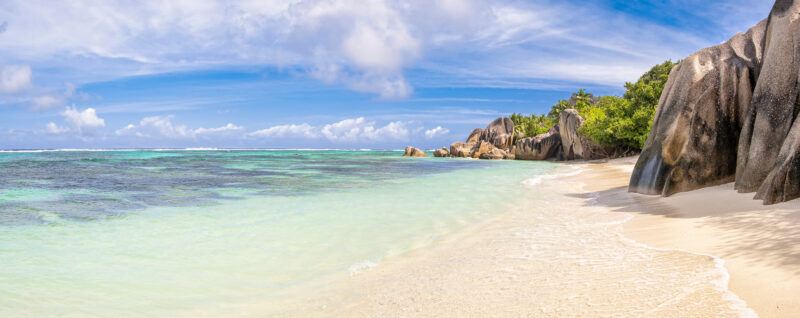
The Indian Ocean is the beating heart of global surf culture. Among the world’s major oceans, the Indian Ocean stands out for its unique structure and complexity compared to other oceans. Stretching from Western Australia across the Indonesian archipelago, sweeping through Sri Lanka and the Maldives, reaching the reefs of Mauritius and Réunion, and rolling onto the wild shores of Africa, this ocean generates some of the most perfect waves on Earth. It’s home to warm water, powerful swell, tropical islands, untouched reefs, empty beach breaks, and some of the most iconic surf destinations ever created.
What makes the Indian Ocean so special is its consistency. Long-period swells travel thousands of kilometres from Antarctic storms before hitting coastlines shaped by volcanic rock, coral reefs, deep ocean trenches, and unique geographical angles. The result? Mechanical lefts, ruler-straight points, hollow tropical barrels, and long, dreamy walls perfect for every style of surfer. The Indian Ocean is truly a paradise for surfers.
This is the ocean that hosts the Mentawai Islands, Uluwatu, Maldives atolls, Sri Lankan points, Mozambique reef breaks, and Western Australia’s heaving slabs. The region is made up of diverse archipelagos and many islands, offering experiences for every surfer — from fun, beginner-friendly rollers to some of the heaviest, most dangerous waves on the planet.
Surfing the Indian Ocean feels like tapping into the purest form of surf exploration: warm water, palm trees, reef passes glowing turquoise, perfect swell lines marching in, and a sense of adventure that stays with you forever. With a thousand islands scattered across its expanse, the Indian Ocean is one of the world’s most diverse surf regions.
Surf Regions in the Indian Ocean

The Indian Ocean is a vast sea with an average depth of 3,741 meters, bordered by the large landmass of Asia to the north. This geography influences monsoon winds, bringing heavy rainfall and shaping the region’s climate, while also making it vulnerable to climate change impacts such as sea level rise.
Western Australia (WA)
A rugged coastline known for raw power, endless reefs, icy offshore winds, and some of the heaviest barrels in the world. From Margaret River to the Coral Coast and the far northwest desert, WA is a big-wave playground.
Indonesia (Sumatra to Timor)
The world’s most wave-rich nation, located at the crossroads of Southeast Asia and South Asia, and close to the Asian continent’s mainland and the Indian subcontinent. Indonesia’s chain of islands captures Indian Ocean swell year-round, producing waves like Uluwatu, Padang Padang, Desert Point, G-Land, Mentawais, Nias, Sumbawa, West Java, and countless secret reefs.
Located just off the southern tip of the Indian subcontinent in South Asia, near the Asian continent’s mainland, Sri Lanka features gentle, long, tropical waves perfect for beginners and intermediates. Right-hand points in the south and long lefts on the east coast (Arugam Bay) define the scene, with strong cultural and historical ties to both South Asia and Southeast Asia.
Maldives (Central & Outer Atolls)
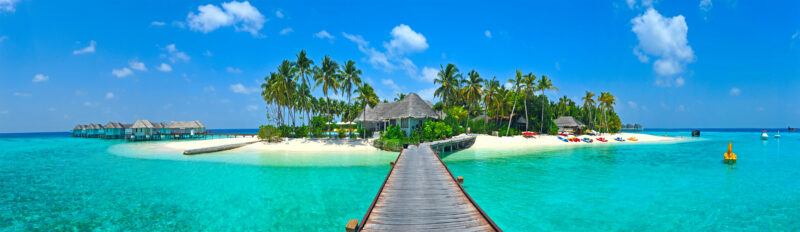
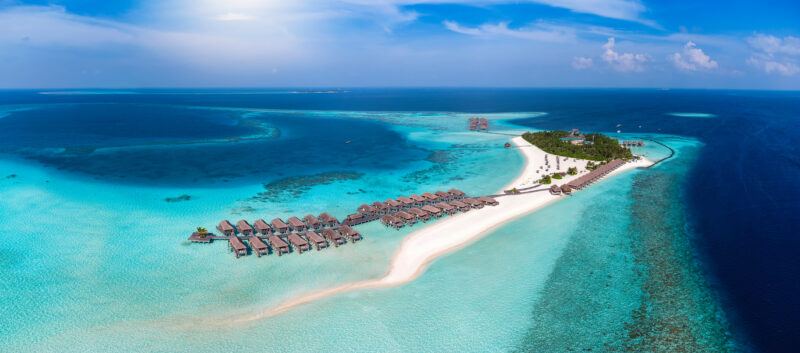
A dreamscape of blue water and coral reefs, the Maldives is located southwest of India and Sri Lanka in the Indian Ocean. The country is made up of a double chain of 26 atolls, including notable areas like Addu Atoll, Laamu Atoll, and North Malé Atoll, all renowned for surfing and water activities. The Maldivian islands are home to diverse marine life, including whale sharks, manta rays, sharks, and a variety of fish, making it a top destination for diving and dive excursions. Resorts, including exclusive private island resorts, are the main accommodation options, often situated on smaller islands that offer privacy and exclusive experiences. The Maldives’ vibrant marine life and coral reefs also make it a paradise for snorkeling and underwater exploration.
Madagascar
A massive, wild island with warm water and empty reef breaks. Southern Madagascar delivers heavy lefts and rights, raw points, and endless potential.
Réunion Island
A French island with world-class waves such as Saint-Leu. Heavy, powerful surf — with strict shark-safety zones now in place.
Mauritius
Famous for long left-hand reef breaks like Tamarin Bay and the infamous slab at One Eye. High-performance, powerful, and extremely scenic, Mauritius is also known for its pristine beaches and opportunities for sailing.
Seychelles
Tropical, scenic, and still developing as a surf destination. Reef breaks around the main islands turn on with the right swell and winds. Seychelles is also celebrated for its beautiful beaches and sailing adventures.
East Africa (Mozambique, Tanzania, Kenya)
A varied coastline along the historic east African coast, with tropical reefs, long left points, and lightly crowded breaks. Mozambique and Tanzania offer the strongest surf potential, and the region has played a significant role in Indian Ocean trade networks.
India (Mainland + Andaman Islands)
A growing surf destination with fun beach breaks, mellow points, and seasonal monsoon swells. The Andamans have perfect reef passes when they fire. India is located along the Arabian Sea, with its southern coast and southern tip marking the northern boundary of the Indian Ocean.
Sri Lanka to Indonesia Deep-South Corridor
A stretch of ocean that channels swell straight to Sumatra, Java, and Bali — famously consistent, year-round.

17 Best Surf Resorts and Camps in Indian Ocean

Getting there
The Good
- Warm water almost everywhere
- Year-round swell in many regions
- Home to the best waves on Earth
- Tropical island chains with crystal water
- Crowds manageable outside hotspots
- Huge variety: points, reefs, slabs, barrels, longboard waves
- Perfect for a romantic getaway or honeymoon, especially in the Maldives, with luxurious overwater villas and private, idyllic settings for couples
- Offers a true Maldives adventure for those seeking unique, personalized travel experiences, including diving, water sports, and exploring vibrant coral reefs
The Bad
- Reefs can be shallow and sharp
- Remote zones lack medical access
- Storms and monsoons affect seasons
- Travel distances can be long
- Some regions are sharky
- Popular destinations (like Bali) get crowded
Getting There and Access
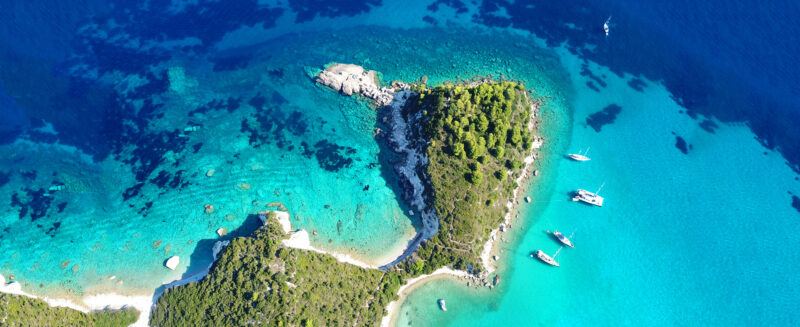
The Indian Ocean spans multiple countries, so access varies:
- Australia → direct flights to WA, Indonesia, Sri Lanka, Maldives
- Europe → easy access to Maldives, Mauritius, Réunion, East Africa
- Asia → best access to Indonesia and Sri Lanka
The Maldives is located in the central Indian Ocean, southwest of Sri Lanka and India, making it accessible from Asia, Europe, and Australia.
Local transport depends on region: scooters in Bali, tuk-tuks in Sri Lanka, boat transfers in Maldives, 4×4 in remote African coastlines, domestic flights for island hops.
Crowds
Crowds depend on destination:
- Indonesia (Bali, Mentawai, Lombok): busy
- Sri Lanka: beginner-heavy crowds
- Maldives: charter boats spread surfers out
- WA: empty but heavy
- Madagascar, Tanzania, Mozambique: nearly empty
- Mauritius & Réunion: localised but manageable
Lineup Lowdown
Etiquette varies by culture, but respect is universal.
- Indonesia: competitive but organised
- Maldives: mellow but charter boats can pack a reef
- Sri Lanka: soft-top chaos in peak season
- WA: heavy locals + heavy waves
- Mauritius: incredibly respectful, but waves are serious
- Africa: friendly, low-crowd energy
Always respect locals, share waves, learn the vibe, and never paddle straight to the top.
Surf seasons and when to go
The best time of the year to surf in Indian Ocean
Surf Seasons and When to Go
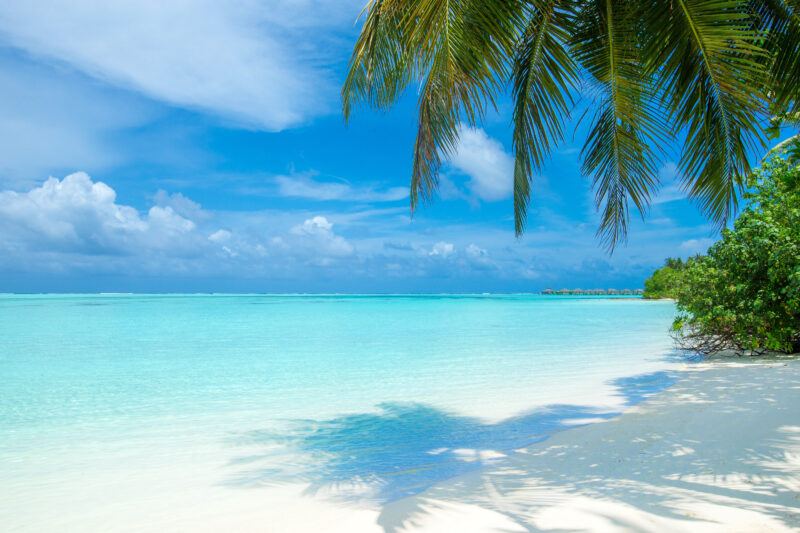
April–October:Peak swell season across most of the Indian Ocean from the southern hemisphere. Indonesia, Maldives, Madagascar, Mozambique, Mauritius all fire. During this period, monsoon winds from the southwest drive consistent swells and shape surf conditions.
November–March:Good for Sri Lanka’s southwest coast, India’s west coast, and sheltered Indonesian regions. The reversal of monsoon winds in this season shifts swell direction and alters local surf patterns.
Cyclone Swell Windows:Mauritius, Réunion, Sri Lanka, and Maldives can receive powerful cyclone swells December–April.
Water Temperatures, Weather, and Coral Reefs
Most of the Indian Ocean sits between 26–30°C year-round, except for Western Australia which ranges from 18–24°C. Tropical monsoons bring rain and wind but also groom certain reefs, with the wet season characterized by brief periods of heavy rainfall. Sun intensity is high — reef-safe sunscreen is essential.
Climate change is impacting weather patterns and sea temperatures in the Indian Ocean.
Can’t-Miss Surf Spots
Uluwatu (Bali, Indonesia)
The defining wave of Indonesia. Uluwatu offers multiple sections — The Peak, Racetracks, Temples — producing long left walls and hollow barrels. A machine during dry-season swells.
Hollow Trees (Sipora, Mentawai Islands)
One of the most photographed waves in the world — a mechanical right-hand tube that wraps flawlessly over a shallow inside reef and produces world-class tubes every set.
Desert Point (Lombok, Indonesia)
One of the longest, most perfect left barrels on Earth. Long, hollow, and fast. Needs specific swell + tide. Expert-level wave.
A legendary left-hand point that produces long barrels across multiple sections. One of the most historic waves in Indo. Raw jungle energy.
Arugam Bay (Sri Lanka)
A long, easy right-hand point perfect for beginners, intermediates, and longboarders. The surrounding region is full of hidden points and reefs.
Sultans (Maldives)
A playful, perfect right-hander with mechanical walls and a smooth takeoff. Ideal for intermediate and advanced surfers. While in Malé, don’t miss the Old Friday Mosque, a UNESCO World Heritage site and one of the oldest mosques in the Maldives, renowned for its unique coral stone architecture and deep connection to the country’s Islamic history. The nearby beaches also offer stunning scenery for visitors.
One Eye (Mauritius)
A world-famous left slab that breaks over razor-sharp coral. Fast, hollow, and breathtaking. Not for beginners.
Saint-Leu (Réunion Island)
One of the best left-hand point breaks ever filmed. High-performance walls and barrels with incredible power.
Tamarin Bay (Mauritius)
A long left-hand wave that breaks beautifully during cyclone swells. Smooth, iconic, and deeply atmospheric.
Jeffrey’s Bay of the Indian Ocean (Southern Madagascar)
Southern Madagascar has multiple long, wrapping lefts and rights that resemble J-Bay or Desert Point when they fire. Often empty.
Nungwi Reef (Zanzibar, Tanzania)
A rare but beautiful Indian Ocean setup with smooth walls and warm water. Fires only during specific seasonal swells.
Margaret River (Western Australia)
Big, powerful Indian Ocean energy slamming into rugged coastline. Famous for heavy reef breaks, slabs, and points.
The Box (Western Australia)
One of the heaviest slabs in the Indian Ocean. Thick, square barrels that detonate over shallow reef. Expert surfers only.
Learning to Surf in the Indian Ocean
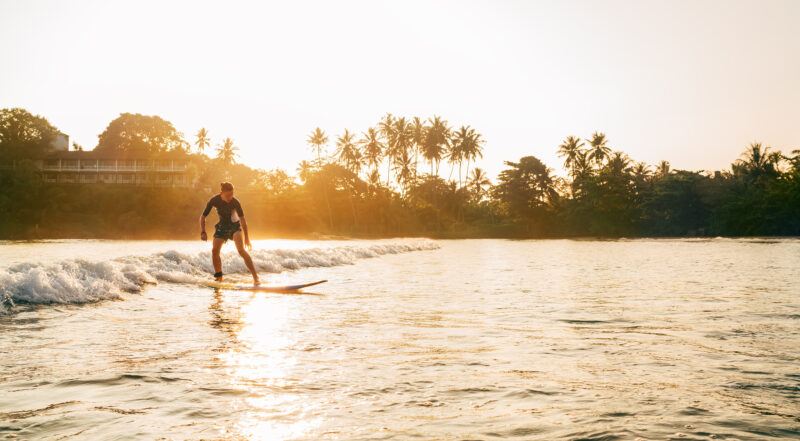
Ideal learner zones include:
Sri Lanka (Weligama, Mirissa)
Maldives (Maafushi, Ninjas)
India (Covelong, Varkala)
Bali (Kuta, Batu Bolong)
Mauritius (beginner reefs inside lagoons)
Lessons range AU$30–80 and board rentals AU$10–30 depending on region.

Indian Ocean surf travel guide
Find trips that fit a flexible lifestyle
Safety and Etiquette
- Reefs are sharp everywhere — reef cuts are common
- Currents can be powerful
- Western Australia is sharky in some regions
- Respect local culture, clothing expectations, and village customs
- Protect reefs with reef-safe sunscreen
- Never surf alone in remote zones
Maldives Surf and Yoga Retreats
Found in Bali, Maldives, Sri Lanka, Mauritius, and Mozambique. Packages range from AU$1,000–3,500 per week depending on luxury level, location, and season. Many include coaching, meals, transport, wellness sessions, and guided surf missions.
Accommodation Options for Surfers
Budget (AU$20–50): hostels, homestays, basic guesthouses
Mid-range (AU$60–150): surf camps, bungalows, lodges
Luxury (AU$200–500+): resort villas, overwater bungalows (Maldives), boutique retreats. Some high-end resorts also offer personal butler service for an enhanced guest experience.
Mentawai charters range AU$2,500–6,000+ per week.
Comparison to Other Surf Destinations
The Indian Ocean is unmatched for consistency, water quality, and wave perfection. It’s more powerful than Central America, more diverse than Europe, warmer than the Pacific Northwest, and more consistent than the Atlantic. Its southern boundary extends down to the Southern Ocean, though the exact limit is debated among researchers. With an average depth of 3,741 meters, the Indian Ocean stands out among the major oceans for its unique bathymetric profile. It’s the epicenter of modern surf travel.
Expenses (AUD)
Accommodation: AU$20–500+
Meals: AU$4–20 depending on country
Transport: AU$10 scooters, AU$40–100 drivers
Board Rental: AU$10–30/day
Boat Trips: AU$20–100/day
Charters: AU$2,000–6,000/week
Cultural Notes
The Indian Ocean touches dozens of cultures, languages, foods, and traditions. The cultures and traditions of the Indian Ocean region, particularly in the Maldives, have been heavily influenced by a blend of Buddhist, Islamic, and local practices. Respecting local customs is essential — modest clothing, community etiquette, temple respect, and supporting local economies all matter.
Cell Coverage and Wi-Fi
Coverage is strong in Bali, Sri Lanka, Maldives, Mauritius, and WA. Weaker in Madagascar, remote Sumatran regions, Tanzania, Mozambique, and Mentawai. Sim cards are cheap and reliable in most populated zones.
Final Thoughts
The Indian Ocean is a dream for surfers — consistent, powerful, tropical, and endlessly diverse. It’s home to the world’s best waves and a lifetime’s worth of coastlines to explore. Whether you’re chasing Indonesian barrels, Maldivian perfection, African reef passes, Sri Lankan points, or WA’s raw power, this ocean delivers experiences that stay with you forever.
Warm water, incredible culture, heavy surf, beginner zones, island perfection, big-wave fields, and secret reefs — the Indian Ocean is where surf exploration truly comes alive. However, environmental challenges such as coral bleaching have affected up to two thirds of the region’s coral reefs, highlighting the urgent need for conservation. It’s a place that every surfer should experience, not once, but as many times as life allows.