Surfing in Florida
Surfing guide to Florida, USA
Florida has 1 main surf areas. There are 49 surf spots . Go explore!


Overview of surfing in Florida
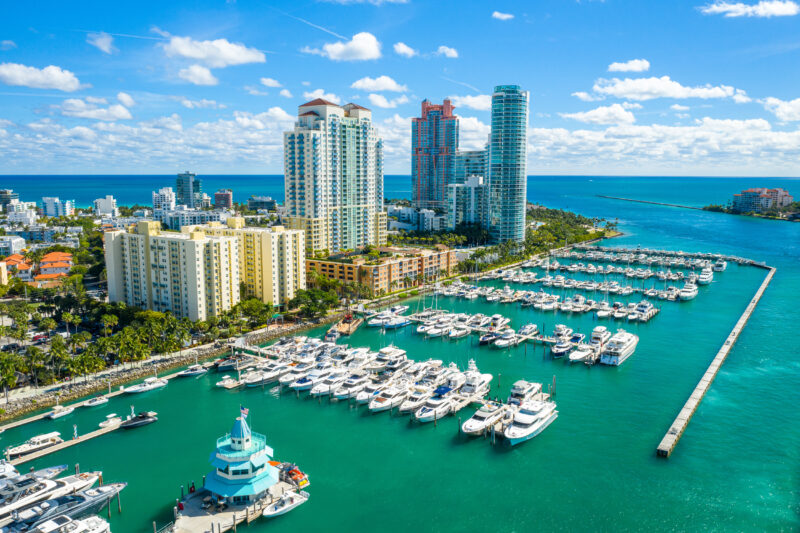
peninsula with hundreds of miles of coastline, diverse land features, and a landmass that shapes its unique surf environment, offering consistent wind swell, hurricane-season power, mellow longboard peelers, and some of the most welcoming surf communities in America. Known as the Sunshine State, Florida’s sunny weather, warm waters, and consistent surf make it especially appealing for surfers year-round.
Unlike the heavy reef power of Hawaii or the cold-water punch of the Northeast, Florida’s surf identity is all about fun, flow, community, warm water, and good vibes. Its location on the southeastern tip of the US makes it a key hub for surf culture and easy accessibility. It’s the spiritual home of East Coast longboarding, the birthplace of icons like Kelly Slater, and one of the most accessible surf regions in the US for beginners and intermediates.
Florida surf is super dependent on seasonal patterns: tropical storms and hurricanes deliver the heaviest surf of the year, while winter brings north swells and clean conditions. Summer is softer but warm, dreamy, and perfect for cruisy longboarding. The coastline is huge — from the Panhandle to Jacksonville to the Space Coast to South Florida — meaning you can always find something if you’re willing to drive.
It’s not a heavy-wave destination, but it’s a vibe-heavy, soul-surfer paradise with warm water, friendly locals, palm trees, and colorful beach towns everywhere. The vibrant life of Florida’s surf communities and natural surroundings adds to its unique charm. Surfers here often encounter rich marine life, from playful dolphins to schools of fish, making every session special. Whether you’re longboarding at sunrise, chasing tropical storm barrels, or learning to surf in knee-high rollers, Florida is sweet, sunny, and endlessly fun.
Surf Regions in Central Florida

The Panhandle (Pensacola, Destin, Panama City, 30A)
Powerful winter swells, fun beach breaks, chilly winters, uncrowded surf, and sandbanks that shift a lot. The Gulf of Mexico is the main source of swells and weather patterns here, shaping the surf conditions throughout the year. This region features a long, open stretch of beach with less crowded surf, making it ideal for those seeking space. The shore interacts with incoming swells to create a variety of breaks, from mellow rollers to punchy peaks.
North Florida (Jacksonville, St. Augustine, Amelia Island)
Consistent year-round surf, winter power, long rights, great community, and surprisingly punchy hurricane-season waves.
Space Coast (Cocoa Beach, Satellite Beach, Melbourne)
The heart of Florida surfing. Birthplace of Kelly Slater, consistent windswell, playful walls, surf schools everywhere.
Treasure Coast (Sebastian Inlet, Fort Pierce, Vero Beach)
Historic surf venues, high-performance sections, reefs mixed with beach breaks, and excellent hurricane setups.
South Florida (Palm Beach, Delray, Deerfield, Boca, Miami)
Warm tropical water, crystal blue days, offshore mornings in winter, and clean, fun surf when cold fronts push swell down the coast.
The Keys (Key West, Islamorada, Marathon)
Rare surf windows only during massive storms, but stunning scenery and fun wind swells when they appear.
Getting there
Getting There and Access

Major airports: Orlando (MCO), Miami (MIA), Tampa (TPA), Jacksonville (JAX), Fort Lauderdale (FLL).
Florida’s location, with its proximity to these major airports, makes it especially accessible for travelers seeking surf adventures along the coast.
Driving is essential — Florida is BIG. A rental car or van gives you full coastline mobility.
Most breaks have easy beach access, parking, board rentals, and surf schools. Some surf spots also offer natural or man-made wind protection, such as jetties or piers, resulting in better wave quality on windy days.
Crowds

Cocoa Beach: busy but super friendly
Sebastian Inlet: heavy + competitive
Jacksonville: moderate
St. Augustine: friendly but popular
South Florida: light to moderate
Panhandle: very uncrowded
Locals are chill, but the top spots get packed during storms. Surfers flock to the most popular breaks during prime swell events, making these spots especially busy.
Lineup Lowdown

Florida etiquette is mellow but still important:
- Don’t snake
- Smile (literally everyone does here)
- Respect longboarders
- Rotate peaks
- Be patient during small days
- Give locals the best waves on hurricane swells
Florida’s surf scene is fun-first, respectful-second, chaos-never.
Surf seasons and when to go
The best time of the year to surf in Florida
Surf Seasons and When to Go
Hurricane Season (Aug–Nov):Peak Florida surf. Long-period east swells, tropical punch, offshore mornings, and some of the best waves of the year.
Winter (Dec–March):Cold fronts push north and northeast swell down the coast. Clean mornings, fun A-frames, and the most consistent surf of the year.
Spring (April–May):Transition season with combo swells, warm water, and fun windows.
Summer (June–July):Small surf unless storms appear. Dream for longboarding, beginners, and SUP crews.
The tide can significantly affect wave quality and safety at Florida surf spots, with certain breaks like Sebastian Inlet or Fort Pierce Inlet offering the best conditions at specific tide levels. Always check the tide charts to optimize your session.
Water Temperatures and Weather
North Florida winter water: 13–18°C (3/2 needed)
Central Florida winter water: 17–21°C (2/2 or springsuit)
South Florida water: 23–29°C (boardshorts/bikini year-round)
Summer is hot and humid, winter is dry and cool, and thunderstorms are common in the afternoons.
Can’t-Miss Surf Spots: Cocoa Beach
Sebastian Inlet (Treasure Coast)
Florida’s most famous high-performance wave and home to some of the best breaks in the state. The premier spot here is First Peak, located on the north side of the jetty, renowned for its powerful, amplified waves and competitive lineup. Second Peak and Third Peak, both north of the main jetty, offer additional notable breaks with different wave experiences for surfers seeking variety. The north side generally features heavier waves and more advanced surfers, while the south side tends to be less crowded with mellower conditions. Fast, powerful, wedgy rights break off the jetty, producing air sections, tight pockets, and surprisingly heavy drops during hurricane swells. A proving ground for East Coast rippers.
Cocoa Beach Pier (Space Coast)
One of Florida’s most consistent waves with playful walls, fun reforms, and an iconic surf-town atmosphere. These are some of the best breaks in Florida and are great places to ride the waves, appealing to surfers of all skill levels. Perfect for beginners and intermediates, but also packed with local talent on good days.
Spanish House (Melbourne Beach)
A hollow, fast reef/rock-bottom break that lights up on northeast swells. There are only a few spots along this stretch of Hutchinson Island that consistently offer high-quality waves, making Spanish House a favourite among advanced surfers when it’s firing. Steep takeoffs, punchy walls, and fun barrels.
RC’s (Satellite Beach)
A high-performance reef peak with fast takeoffs and long walls. Known for producing Florida pros and getting really fun on cold-front swells.
New Smyrna Beach (Central Florida – technically Volusia County)
One of the most consistent waves in the US. There are a few places in Florida where surfers can find such consistent and high-quality waves, and New Smyrna Beach is one of them. Endless sandbars, punchy peaks, super friendly longboard walls, and insane hurricane barrels. Canaveral National Seashore acts as a natural barrier and significant surf spot in the region, shaping the local surf experience. The area’s proximity to Cape Canaveral also highlights its historical significance to local surf culture, with the development of the space program influencing the community. Known for its shark population, but also one of Florida’s best waves year-round.
Jacksonville Beach Pier
Consistent surf with fun peaks, playful performance walls, and a surprisingly advanced local scene. Mayport Poles, located nearby, is a key surf spot with reliable conditions during northeast swells, making it a go-to for North Florida surfers when other spots are less favorable. Great in winter when nor’easters send groomed swell.
St. Augustine
A mix of mellow longboard peaks and punchy shortboard days. One of Florida’s best-balanced surf towns.
Reef Road (Palm Beach)
A heavy, powerful wave during massive winter swells — the closest thing South Florida has to Hawaii. Rare but insane when it turns on.
Delray Beach
Fun, consistent beach breaks with longboard-friendly conditions and warm tropical vibes.
Deerfield Beach Pier
A surprisingly rippable peak during winter and hurricane swells. Punchy drops and fun walls.
South Beach, Miami
A rare but magical surf spot when the conditions align. Turquoise water, insanely picturesque, and fun A-frames during strong northeast swell events.
Pensacola Beach / Panhandle
Powerful winter peaks and clean, offshore conditions with very light crowds. Underrated zone for winter-chasing surfers.
Surfing Infrastructure
Florida’s surfing infrastructure is among the best in the US, making it easy for both locals and visitors to dive into the Sunshine State’s wave-rich lifestyle. Along the East Coast, iconic surf towns like Cocoa Beach, Satellite Beach, and New Smyrna Beach are packed with everything a surfer could need—think well-stocked surf shops, board rentals, and a variety of surf schools ready to get beginners up and riding. The legendary Cocoa Beach Pier is not just a great place to catch a fun wave, but also a hub for Florida surfers to gather, refuel, and soak up the local scene.
Central Florida’s coast is dotted with accessible breaks, from the consistent peaks of New Smyrna Beach to the high-performance waves at Sebastian Inlet. Each spot offers its own flavor, with beach breaks perfect for learning and more challenging sections for those looking to push their limits. The Gulf Coast, with laid-back spots like Bradenton Beach and Siesta Key, is ideal for mellow sessions and family surf days, while Palm Beach in southern Florida draws surfers from around the world to its mix of reef and beach breaks.
Florida’s surf scene is supported by a strong network of surf schools and rental shops, making it easy for beginners to get started and for travelers to find the right gear. Throughout the year, the state hosts major surfing competitions, including the renowned East Coast Surfing Championships in Cocoa Beach, where top talent from around the world comes to compete and celebrate Florida’s vibrant surf culture.
Practical amenities are a big part of the Florida surf experience. Many beaches offer picnic tables, showers, and restrooms, so you can spend the whole day by the water. At popular spots like Sebastian Inlet and Fort Pierce, you’ll also find food vendors and surf shops right on the sand, making it easy to grab a snack or pick up last-minute essentials.
Florida’s unique geography plays a big role in its surf diversity. The warm Gulf Stream brings steady swells to the East Coast, while inlets and jetties—like those at Ponce Inlet and Fort Pierce—help shape a variety of wave types, from fast, hollow barrels to gentle, rolling beach breaks. The Florida Panhandle is known for its powerful winter waves, attracting experienced surfers, while the smaller, friendlier waves of South Florida are perfect for those just starting out.
No matter your skill level, Florida’s coast offers a surf spot to match your style. With its well-developed infrastructure, welcoming surf communities, and endless stretches of beach, the state is a great place to catch your first wave, hone your skills, or just enjoy the laid-back surf lifestyle. Whether you’re chasing great waves, joining a local contest, or relaxing at a beachside picnic table, Florida’s surf scene has you covered from the Panhandle all the way down to the southern tip.

Florida surf travel guide
Find trips that fit a flexible lifestyle
Learning to Surf in Florida
Best beginner beaches:
- Cocoa Beach
- Jacksonville Beach
- St. Augustine
- New Smyrna (inside reforms)
- Delray Beach
- Venice Beach
- Panama City (small days)
Lessons: AU$30–70
Board rentals: AU$20–40/day
Warm water + soft sand = perfect beginner environment.
Safety and Etiquette
- Watch rips on larger swells
- Hurricanes can bring dangerous conditions
- Stingrays common — shuffle feet
- Jellyfish in summer
- Sharks at NSB (common but rarely dangerous)
- Respect locals at Sebastian Inlet + Reef Road
- Lightning storms = get OUT of the ocean
Florida is safe, but storms move fast.
Surf and Yoga Retreats
Found mostly around:
- Cocoa Beach
- St. Augustine
- Melbourne Beach
- Palm Beach County
- Miami
Retreats include surf coaching, yoga, meditation, paddleboarding, and wellness packages.
Prices: AU$700–2,200 per week.
Accommodation Options for Surfers
Budget hostels: AU$35–70
Surf motels: AU$80–150
Hotels: AU$120–300
Beachfront condos: AU$150–400
Luxury resorts (Miami/Palm Beach): AU$300–800
Cocoa Beach, Jacksonville, and St. Augustine are the most budget-friendly surf towns.
Comparison to Other Surf Destinations
Florida vs California:
- Warmer water
- Softer waves
- More laid-back vibe
While California is often associated with the West Coast, the traditional hub of surf culture and industry—dominating surfboard imports, brand development, and competitive surfing—Florida has evolved its own unique surf scene. The West Coast’s influence on surfboard design and the overall surfing scene stands in contrast to Florida’s more laid-back, accessible approach.
California, in contrast, is known for its diverse geography, featuring impressive mountains and mountain ranges like the Sierra Nevada, with Mount Whitney as the highest peak in the contiguous United States. The state is home to iconic national parks such as Yosemite and Sequoia, scenic rivers including the Sacramento and San Joaquin, and a dramatic Pacific Ocean coastline that stretches for hundreds of miles. Major cities like Los Angeles, San Francisco, and San Diego anchor California’s urban areas, with Hollywood serving as a global cultural hub. California’s theme parks, such as Disneyland, are top family attractions, much like Florida’s own theme parks.
California’s rich history includes the traditions of indigenous peoples and the influence of the state government, with Sacramento as the capital and the governor playing a key role in shaping present day policies. The state’s cities began to develop in the 19th century and continue to develop today, blending historical roots with modern growth. According to the Census Bureau, California’s per capita income and population density in urban areas are among the highest in North America, with two thirds of its population living in urban areas across its vast 163,696 sq mi. English is the official language, and the state’s response to major events—such as elections held in November or the upcoming November 2025 vote—reflects its dynamic political landscape.
Lake Tahoe stands out as a major outdoor destination for all-season recreation, while the Pacific Ocean is significant for both California and Florida as a gateway to North American and global marine life. Notable dates like January 26, when the first COVID-19 case was reported, and July 1, marking the incorporation of new municipalities, highlight California’s ongoing milestones. Economically and culturally, California rivals New York as a powerhouse within North America.
Florida vs Outer Banks:
- More consistent year-round
- Less heavy
- Friendlier beginner conditions
Florida vs Hawaii:
- Much smaller surf
- Perfect for progression
- Accessible and sunny
Florida is basically the longboard + fun-wave capital of the East Coast.
Expenses (AUD)
Accommodation: AU$80–350/night
Board rental: AU$20–40/day
Lessons: AU$30–70
Car hire: AU$50–100/day
Food: AU$10–30 per meal
Florida ranges from affordable surf towns to luxury coastal cities.
Cultural Notes
Expect:
- Chill surf communities
- Early sunrise surf rituals
- Longboard heaven energy
- Tropical colors + palms everywhere
- Friendly locals + pura vida vibes
- Endless beach cafés + taco trucks
- Smooth jazz and reggae at sunset
Florida surf culture is warm, approachable, and family-friendly.
Cell Coverage & Wi-Fi
Excellent coverage statewide
Strong 5G in cities
Reliable Wi-Fi in surf towns
Spotty service only in remote Panhandle dunes
Final Thoughts
Florida is a warm, colorful, surprisingly consistent surf destination with one of the most iconic and welcoming surf cultures in the US. It’s playful, mellow, sunrise-drenched, and full of perfect longboard days, fun A-frames, hurricane barrels for the bold, and beginner-friendly beaches for new surfers.
From the performance waves of Sebastian Inlet to the mellow lines of Cocoa Beach, the punchy winter peaks of Jacksonville, the pastel dreamscapes of Miami surf days, and the empty Panhandle barrels in winter, Florida is a coast full of charm, fun, and flow.
It’s not about size — it’s about vibe.
Good waves, warm water, good people, and endless fun.
Florida is a surf lifestyle, and once you feel it, you get it.