Surfing in New York
Surfing guide to New York, New Jersey + New York, USA
New York has 3 main surf areas. There are 21 surf spots . Go explore!


Overview of surfing in New York
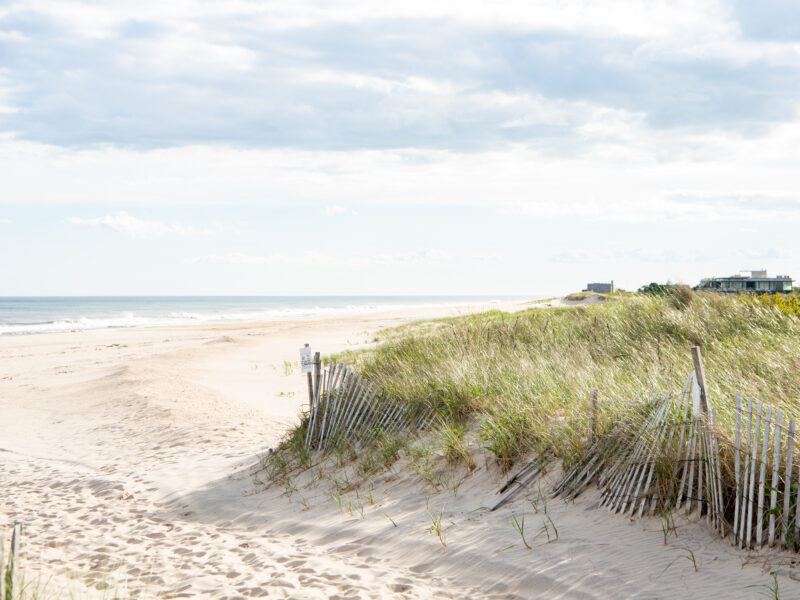
New York has one of the most surprising and exciting surf scenes on the East Coast — a place where skyscrapers and subway lines meet Atlantic storms, hurricane swells, winter nor’easters, and a passionate community of surfers who paddle out year-round. The juxtaposition is unreal: heavy barrels forming beneath beach towers, icy dawn patrols before work on Wall Street, longboard sliders cruising mellow summer lines, and hard-charging locals tackling huge winter peaks.
For many New Yorkers, surfing is more than just a sport—it’s a way of life, deeply woven into the fabric of the local culture and identity.
Surfing in New York is defined by contrast — urban energy against the calm of the ocean, warm humid summers against frozen winter winds, tiny summer dribbles followed by massive hurricane swell pulses. The proximity of the city means New York City residents can easily access surf spots, making it possible to catch waves before or after work. The coastline stretches from Long Island’s western beaches to the far-eastern tip of Montauk, offering beach breaks, sand-bottom points, jetties, coves, and headlands that manipulate sand and swell into quality waves. New York City itself boasts accessible surf at places like Rockaway Beach, highlighting the unique blend of city life and surf culture. Montauk, in particular, is renowned for its consistent waves, providing a dependable surf experience for all levels. Wave quality across the region is shaped by local geography, such as sandbars and jetties, and is further influenced by weather patterns that determine swell direction and wind conditions.
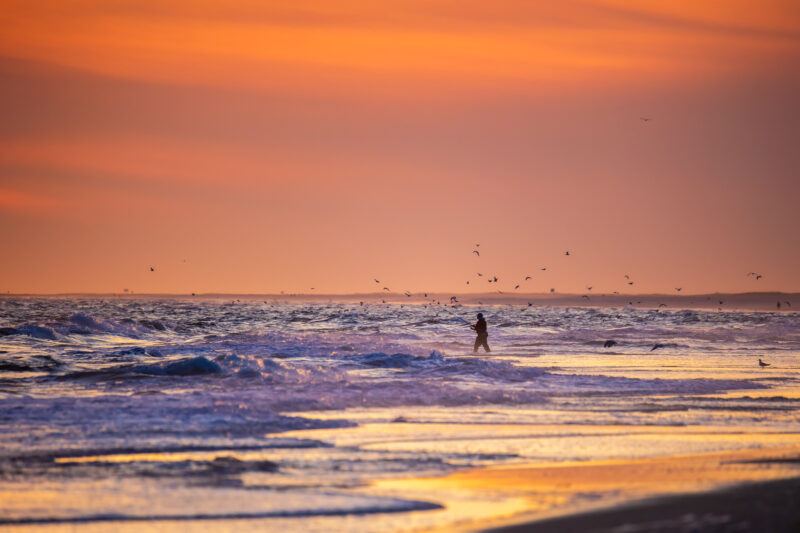
New York isn’t world-class every day, but when it’s on, it is seriously world-class. The state sits perfectly positioned to receive long-period hurricane swell in late summer and early autumn, as well as powerful nor’easters in winter that produce heavy, thumping surf. Changing weather patterns and seasonal storms play a major role in shaping the surf experience, bringing both challenges and opportunities for those who chase waves year-round.
The surf culture is strong, diverse, and built on hustle. New Yorkers surf before work, after work, in snowstorms, in fog, in rain, under orange sunrise skies, and during tropical events. Commitment is part of the identity here — and the payoff is unforgettable.
Surf Regions in New York
Rockaway Peninsula (Queens)
New York City’s main surf zone is a favorite among city surfers, who flock here for its accessibility by subway, jetties, and vibrant boardriding community. Rockaway Beach spans a ten mile stretch of sandy shoreline, making it one of the most extensive and popular surf destinations in the city. The area was significantly impacted by Hurricane Sandy, which damaged beaches, boardwalks, and local surf infrastructure, but extensive restoration efforts have since revitalized the coastline. The combination of jetties, sand bars, and natural peaks shapes the quality of the waves, offering varied conditions for surfers of all levels.
Long Beach & Lido (Western Long Island)
Lido Beach and Long Beach: Consistent beach breaks and jetties producing punchy peaks, epic fall barrels, and a strong surf scene. Lido Beach is a key surf spot on Long Island, known for its great waves and rich surf history, including hosting historic surf competitions and being central to NYC surfing roots. Both Long Beach and Lido Beach are famous for their great waves, attracting surfers looking for optimal conditions, and they often have good waves suitable for a range of skill levels. Beginners can take advantage of local surf schools offering lessons and training programs, while surfers can rent or buy equipment at a nearby surf shop before heading out to the water.
Jones Beach & Gilgo (Central Long Island)
Long sandy stretches influenced by sandbars, swell angle, storms, and shifting tides. Jones Beach is considered a good spot for beginners due to its approachable waves. Changing weather patterns, especially during the fall and winter, can significantly influence the surf at these beaches, often creating better wave conditions for surfers.
Fire Island (Robert Moses to Smith Point)
Remote-feeling surf zone accessible by ferry or bridge, offering clean, powerful waves and a pristine shore that appeals to surfers. Fire Island is a great destination for a surf trip, especially for those seeking a remote experience.
The Hamptons (Southampton, East Hampton, Amagansett)
Beautiful beaches, clean lines, offshore winds, and year-round surf vibes. Visit the Hamptons not just for the surf, but also to experience its scenic beauty and explore local attractions.
Montauk (Ditch Plains, Turtle Cove, Camp Hero)
The “End of the World” — New York’s most iconic surf destination with points, coves, reefs, and consistent energy. Montauk is renowned for its consistent waves, drawing surfers year-round who seek reliable surf conditions. It’s a favorite destination for east coast surfers planning a surf trip, thanks to its unique point breaks that offer hollow, reeling waves. Montauk also provides decent waves suitable for all skill levels, making it accessible and enjoyable for both beginners and experienced surfers alike.
Getting there
Getting There and Access
For NYC surfers:
- Rockaway is accessible by subway, bus, ferry, or car.
- Many surfers make the journey from the Big Apple (Manhattan) out to Long Island’s surf spots, enjoying the quick escape from city life.
For Long Island:
- JFK + LGA airports
- LIRR rail access
- Straightforward drives via Sunrise Highway or the Southern State Parkway
Fire Island requires ferries or limited-access bridges. Montauk is best accessed by car or the LIRR’s famous “Hamptons” line.
Crowds
Rockaway: heavy
Long Beach: heavy
Lido: moderate-heavy
Jones Beach: moderate
Gilgo: moderate
Fire Island: light to moderate
Hamptons: moderate (heavy in summer)
Montauk: heavy during summer, mellow during cold season
Winter + dawn patrol = less crowds
Hurricane season = EVERYONE is frothing
Lineup Lowdown
NY surfers are diverse, passionate, and committed.
Etiquette matters A LOT:
- Don’t drop in — the waves here are precious
- Keep spacing around jetties
- Don’t sit too deep unless you can handle it
- Respect locals at tight takeoff zones (especially Montauk reefs)
- Keep your gear organised on crowded beaches
- Stay aware of swimmers and rip currents
The vibe is urban but respectful.
Surf seasons and when to go
The best time of the year to surf in New York
Surf Seasons and When to Go
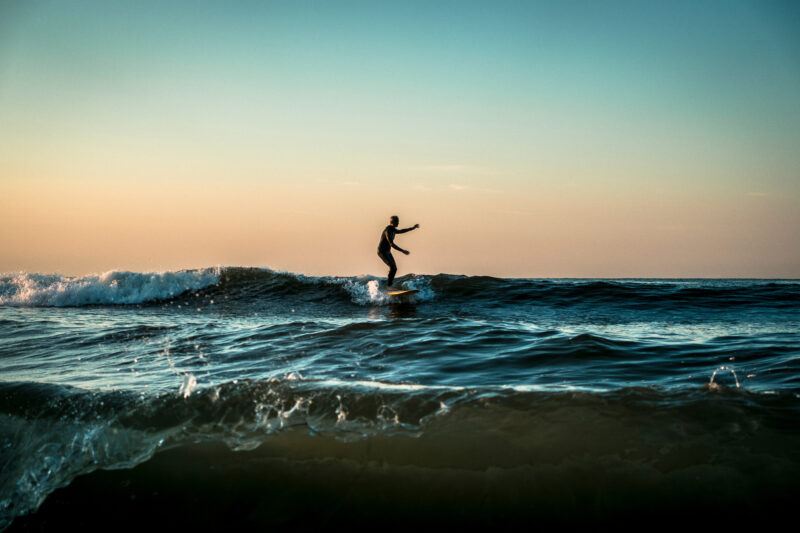
Summer (June–August)
During the summer months, New York surf spots see increased crowds and generally smaller waves. Small, playful surf is perfect for longboarders. Hurricane swells are rare but magical. Warm water and crowded beaches are typical during this time.
Autumn (September–November)
The best surf season
Hurricane + early winter swells
Offshore winds frequent
Warm water early, cool later
World-class days possible
Winter (December–March)
Consistent surf
Powerful nor’easter swells
Cold water and freezing wind chills
Less crowded
Best for advanced surfers
Spring (April–May)
Windy transition season
Mixed conditions
Good windows with the right storms
Best overall: September–November
Water Temperatures and Weather
Summer: 21–24°C
Autumn: 17–21°C
Winter: 3–7°C (yes… ICE cold)
Spring: 8–15°C
Wetsuit recommendations:
Summer: boardshorts/springsuit
Autumn: 3/2 or 4/3
Winter: 5/4 hood, gloves, booties
Spring: 4/3 + booties
For the rest of the year, adjust your wetsuit thickness and accessories based on changing water temperatures and personal comfort.
Winters can be brutally cold but incredibly beautiful — think snow on the sand.
Can’t-Miss Surf Spots
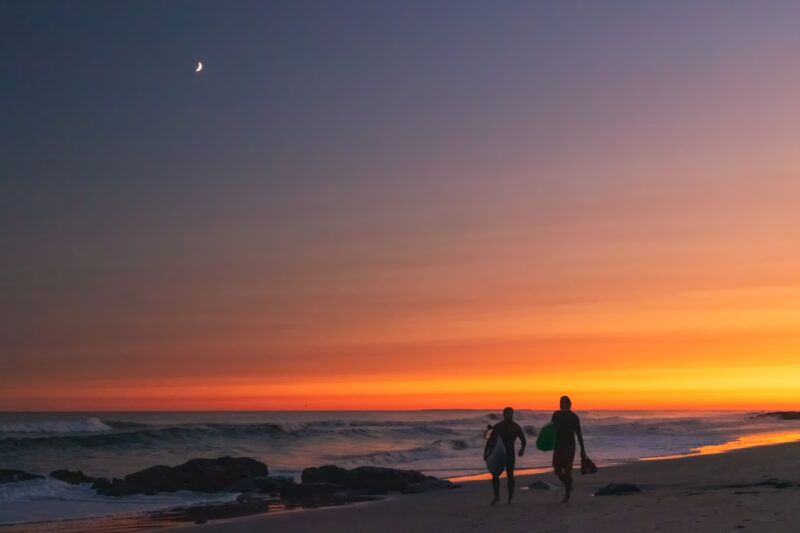
Rockaway Peninsula
Rockaway 90th–98th
The beating heart of NYC surfing. Jetty-influenced peaks that offer fast walls, clean rights, and hollow sections during hurricane swell. A true melting-pot lineup full of energy and talent.
Far Rockaway
Located on the eastern part of the Rockaway Peninsula, Far Rockaway is a key neighborhood and surf destination known for its vibrant surfing community and popular beach area in Queens, New York.
Rockaway 110th
More spaced-out sandbars with softer peaks. Great for intermediates and longboarders on smaller days.
Long Beach & Lido
Lido West
A powerful, consistent beach break that comes alive during autumn and winter storms. Known for steep drops, tight barrels, and high-performance surfing. The wave quality at Lido West is shaped by its sandbars and exposure to open ocean swells, offering challenging conditions for experienced surfers.
Long Beach (National Blvd)
Punchy jetties, defined take-off zones, and some of the best barrels on Long Island during hurricane pulses. The wave quality here benefits from the jetties, which help focus the swell and create reliable, well-formed waves suitable for a range of skill levels.
Jones Beach & Gilgo
Jones Beach Field 6
A classic Long Island beach break with long lefts and rights depending on swell direction. Spread out peaks that avoid heavy crowds.
Gilgo Beach
A mellow surf zone with approachable waves. Super fun during NE wind events and tropical swells.
Fire Island
Robert Moses State Park
Highly consistent beach breaks, shifting sandbanks, and clean walls on offshore mornings. A favourite among NYC surfers escaping the crowds.
Smith Point
Raw, punchy surf with long rippable shoulders. Requires the right swell and wind but offers some of the best beach break conditions in the area.
The Hamptons
Sagg Main
A consistent spot offering strong, clean walls with plenty of room to spread out. Great for carving and performance longboarding.
Georgica Beach
A peaky, powerful beach break with hollow sections. Handles hurricane swell beautifully.
Montauk
Ditch Plains
New York’s iconic point-style wave and one of Montauk’s well-known point breaks. Long, rolling lefts and rights ideal for longboarders and funboards. Smooth, playful, forgiving — but can get crowded. Montauk is a top destination for east coast surfers, offering decent waves for all skill levels.
Turtle Cove
A powerful, rocky right reef tucked beneath the lighthouse cliffs. Advanced surfers only — steep takeoffs and heavy sections on bigger days.
Camp Hero
Remote-feeling, punchy, and heavy during large swells. A favourite for advanced surfers chasing solitude.

New York surf travel guide
Find trips that fit a flexible lifestyle
Learning to Surf in New York
New York has excellent beginner infrastructure. Surf schools are available at major beaches like Rockaway, Long Beach, and Montauk, offering lessons and camps for all ages and abilities.
Best beginner spots:
- Rockaway 110th
- Long Beach on small days
- Ditch Plains (all year except hurricane events)
- Gilgo Beach
When learning to surf, it’s important to choose a surf spot that matches your skill level for safety and the best experience.
Surf lessons typically cost AU$70–150.
Board rentals are widely available in Rockaway, Long Beach, and Montauk.
Safety and Etiquette
- Rip currents can be strong near jetties
- Winter hypothermia is real — don’t push it
- Heavy shorebreak during storms
- Rocks in Montauk require caution
- Crowds demand awareness
- Respect lifeguard zones
- Avoid surfing alone in winter storms
New York surf requires respect for nature and other surfers.
Surf and Yoga Retreats
Popular in:
- Rockaway Beach
- Montauk
- Long Beach
- Hamptons wellness retreats
Retreats include:
- Surf lessons
- Yoga + meditation
- Cold-water therapy
- Healthy meals
- Community events
- Boutique stays
Prices range AU$900–3,000 depending on season and luxury.
Accommodation Options for Surfers
Rockaway: AU$150–350
Long Beach: AU$180–400
Hamptons: AU$250–700
Montauk: AU$300–900
Budget hostels: AU$50–100 (rare)
Summer is expensive — winter is dramatically cheaper.
Comparison to Other Surf Destinations
New York vs New Jersey:
- Similar swell events
- More jetties = more defined waves
- NYC access makes sessions shorter
- Long Beach Island in New Jersey is a major surf destination, known for spots like Lincoln Beach and Lido Beach, a well-developed surf scene, and amenities such as surf schools and rentals. Compared to New York, Long Beach Island offers a more laid-back surf community but shares similar wave conditions and is suitable for all skill levels.
New York vs California:
- Far colder
- Less consistent
- More urban
- Powerful hurricane + winter swells
- The West Coast, especially California, has had a huge influence on surf culture and the surf industry, shaping trends and equipment that impact New York surfers.
New York vs Florida:
- Much colder
- More powerful
- Less consistent
- Better winter surf
New York vs Portugal:
- Similar vibe in winter
- Less reef variety
- Stronger urban contrast
New York vs Hawaii:
- Hawaii is the birthplace of modern surfing and has deeply influenced surf culture worldwide, including in New York, through its legendary surfers and iconic competitions.
New York is unique — a blend of urban and ocean energy.
Expenses (AUD)
Accommodation: AU$150–900
Board rentals: AU$40–70/day
Lessons: AU$70–150
Food: AU$20–40 per meal
Parking: AU$10–40 depending on area
This region is pricey but unforgettable.
Cultural Notes
Expect:
- Dawn patrol before office hours
- Hardcore winter surfers
- Hundreds of longboarders at Ditch Plains
- Hip, artsy surf cafés
- Subway surfers in Rockaway
- Deep hurricane-watching culture
- Snowy boardwalk sessions
The New York Times has covered major surf events and the evolution of surf culture in New York, highlighting its growing influence and unique local character.
New York surf culture is gritty, stylish, creative, and community-oriented.
Cell Coverage & Wi-Fi
Excellent in all urban zones
Strong across Long Island
Weak in remote Fire Island or Montauk coves
Great café + workspace culture
Final Thoughts
New York is one of the most atmospheric, exciting, and culturally rich surf destinations in the United States — a place where urban ambition meets coastal escape, where surfers paddle out before meetings, where hurricane swells transform beaches into world-class breaks, and where winter warriors earn every wave in icy Atlantic winds.
From the high-performance peaks of Long Beach to the iconic points of Montauk, the mellow rollers of Ditch Plains, the energy of Rockaway, and the shifting sandbanks of Fire Island, New York offers a diverse and rewarding surf environment. These are some of the best beaches for surfers, each with unique features and amenities that cater to all skill levels.
The surfboard has played a key role in shaping New York’s surf history and culture, evolving from early wooden designs to the modern boards seen in local competitions and daily sessions. After catching waves, many surfers enjoy relaxing with fish tacos at local surf spots, making it a signature post-surf meal.
Plan your next surf trip to New York to experience the variety of waves, vibrant beach communities, and the unforgettable atmosphere that make this region a top destination for surfers.
It’s not perfect every day — but when New York fires, it is unforgettable. A surf scene full of grit, beauty, character, and passion.