Overview of surfing in Florida - East Coast
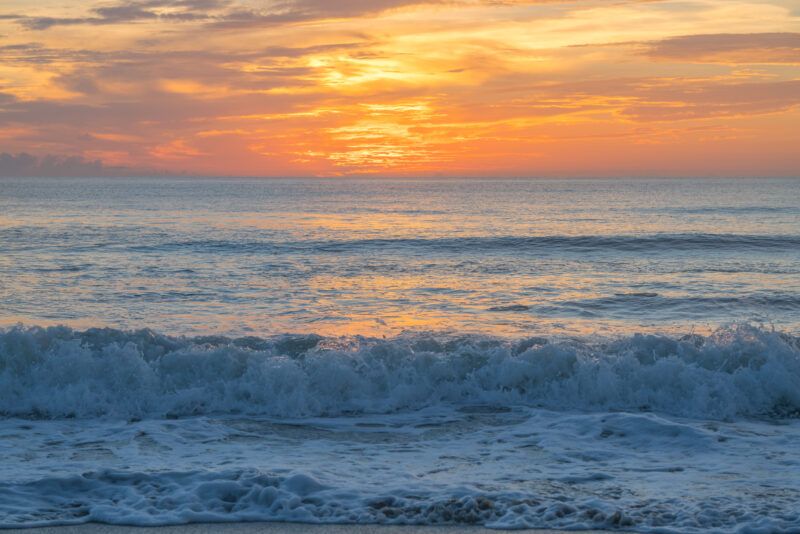
East Coast Florida is a warm-water surf paradise built on playful sandbars, historic surf towns, mellow longboard waves, hurricane-season power, and one of the most laid-back surf cultures in America. Stretching from Jacksonville down to Miami, the coast features a long stretch of undeveloped or protected beaches that offer extensive opportunities for surfing. The region is packed with consistent beach breaks—sandy beach breaks that differ from reef or sandbar setups, with wave quality that varies depending on tide and swell direction—tropical vibes, year-round surfable waves, and some of the most important surf heritage in the country — including the hometown of Kelly Slater in Cocoa Beach. As a hub for east coast surfing, this region has produced some of the best surfers, with Florida’s east coast standing out for its unique surf spots, vibrant culture, and the legendary breaks that attract top talent.
Florida doesn’t have the raw Atlantic power of the Outer Banks or the winter consistency of the Northeast, but what it does offer is warm water, sunshine, rideable waves nearly every day, and the ability to go from tiny cruiser days to overhead hurricane barrels during late summer and early autumn. Hurricanes generate large swells that create excellent surf opportunities, especially in late summer and fall, making it important for surfers to monitor storms for both safety and surf potential. Florida surfing is defined by its rich history, evolving surf culture, and the variety of waves found along Florida’s east coast.
The coastline is dotted with iconic piers, long sandy beaches, reefs down south, and surf towns with deep cultural roots. The local surf scene is known for its relaxed vibe, strong sense of community, and the presence of classic surf shops and welcoming beach town atmosphere. Whether you’re a beginner catching your first wave or an experienced surfer hunting hurricane swell at Sebastian Inlet, East Coast Florida delivers fun, friendly, tropical surf with serious potential on the right forecast. The abundance of quality surfing spots along the coast ensures there’s something for every level, and the region’s best surfers, including Kelly Slater, continue to inspire the next generation.
It’s easy, accessible, affordable, and warm — the Sunshine State’s answer to a year-round surf lifestyle, with a reputation for consistent waves and a thriving surf culture.
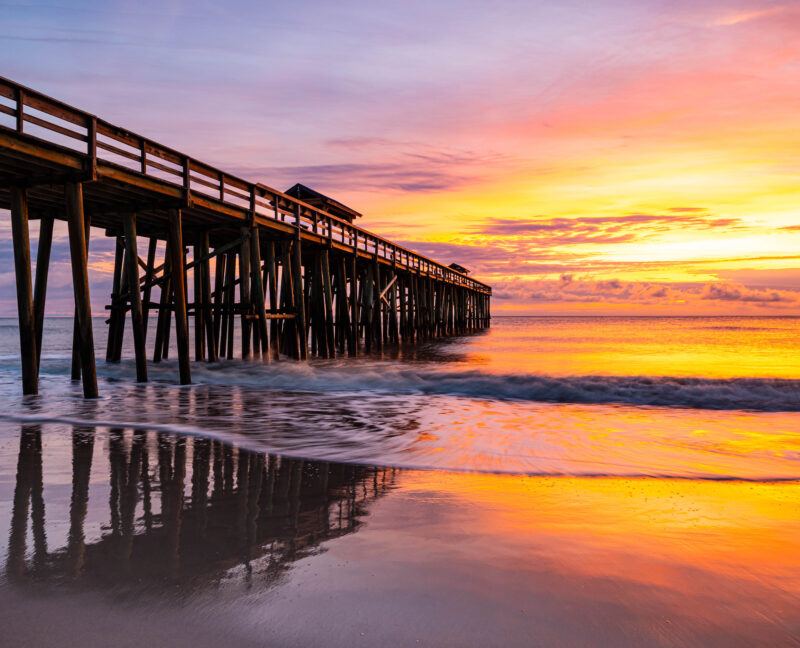
Surf Regions in East Coast Florida
Many of the best surfing spots along East Coast Florida are located on barrier islands, which play a key role in shaping the surf experience by influencing wave quality, water temperature, and seasonal crowd levels.
North Florida (Jacksonville, St. Augustine, Amelia Island)
Consistent beach breaks with hollow sections line this stretch of coastline, featuring a strong surf culture and surprising power during winter and hurricane swells.
Central Florida (Daytona, New Smyrna Beach, Ponce Inlet)
Punchy, consistent waves and home to some of the best sandbars in the state. Sharky but insanely fun.
Space Coast (Cocoa Beach, Satellite Beach, Sebastian Inlet)
Historic surf zone, birthplace of Kelly Slater, and home to Florida’s most famous high-performance wave.
Treasure Coast (Fort Pierce, Vero Beach, Stuart)
Reef-influenced sandbars with long rides, clean walls, and uncrowded zones.
Southern Florida (Palm Beach, Boca Raton, Fort Lauderdale, Miami)
Warm, tropical waters with fun longboard waves and rare but epic winter swells. The gulf stream runs close to shore here, influencing local surf conditions and keeping the water warm year-round. Southern Florida is historically significant in the state’s surfing history, known for its early surfboard pioneers and now-crowded surfing spots that attract a diverse group of surfers.
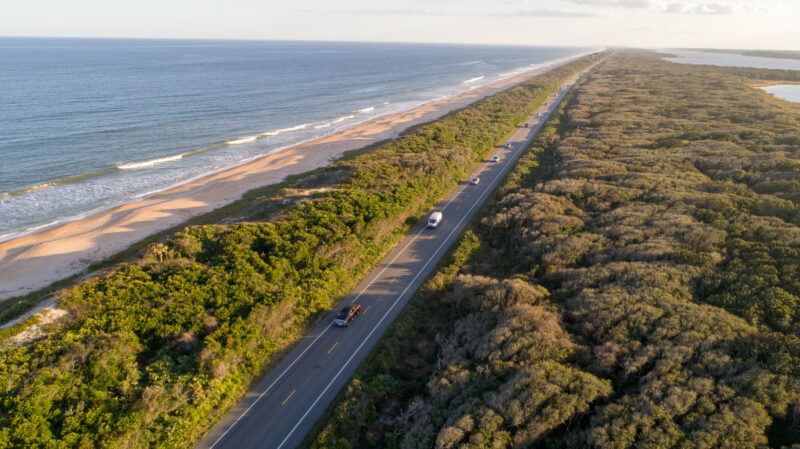
Together, these regions make up Florida’s east coast, a renowned destination in the surfing community for its diverse surf conditions and accessible breaks. Taking a trip down A1A or along the coast is a great way to experience the variety of surf spots that Florida’s east coast has to offer.
Getting there
Getting There and Access
Major airports serving the coast:
- Jacksonville (JAX)
- Daytona Beach (DAB)
- Orlando (MCO) with quick drive to Cocoa / NSB
- Melbourne (MLB)
- Palm Beach (PBI)
- Fort Lauderdale (FLL)
- Miami (MIA)
A road trip down the coast, especially along scenic A1A, is a popular way to explore the diverse east coast Florida surf regions and local communities.
Driving is essential — Florida is one long, easy coastal cruise with free beach access nearly everywhere.
Crowds
Jacksonville: moderate
St. Augustine: light to moderate
New Smyrna Beach: busy
Sebastian Inlet: heavy + competitive
Cocoa Beach: moderate
South Florida: light except on rare pumping days
Hurricane swell = PACKED
Regular days = chill and friendly
Lineup Lowdown
Florida surfers are some of the friendliest around, but:
- Don’t snake at Sebastian Inlet
- Respect locals during hurricane days
- Avoid dropping in — Florida waves are short
- Give beginners plenty of room
- Stay aware at NSB (sharks + crowds)
Smiles and chill vibes go a long way.
Surf seasons and when to go
The best time of the year to surf in Florida - East Coast
Surf Seasons and When to Go

Hurricane Season (Aug–Nov): Peak surf season
Long-period swell
Best barrels
Best chance for overhead surf
North swells often bring chest to head-high waves to spots like Cocoa Beach Pier, improving wave quality during this period.
Hurricanes during this season generate large swells and are a major factor in surf quality, especially in late summer and fall. October is often the peak month for both hurricane swells and cold fronts, making it a prime time for surf.
Winter (Dec–Feb): During the winter months (November to March), cold fronts generate clean, fun surf.
Offshore winds common
More consistent than summer
North swells can also deliver quality waves to select breaks. The winter months bring changes in weather, cooler water temperatures, fewer crowds, and some of the best north swells of the year.
Spring (March–May): Warming water
Fun, small surf
Windy afternoons
Summer (June–Aug): During the summer months, crowds peak and surf is usually tiny
Longboard paradise
Tropical storm spikes deliver surprise sessions
Best overall: September–November
Water Temperatures and Weather
Winter: 16–20°C in north, 20–24°C in south
Summer: 26–29°C (bathwater warm)
Wetsuits:
North Florida: 3/2 in winter
Central Florida: springsuit/3/2
South Florida: boardshorts year-round
Florida heat can be intense — sunscreen is mandatory.
Can’t-Miss Surf Spots
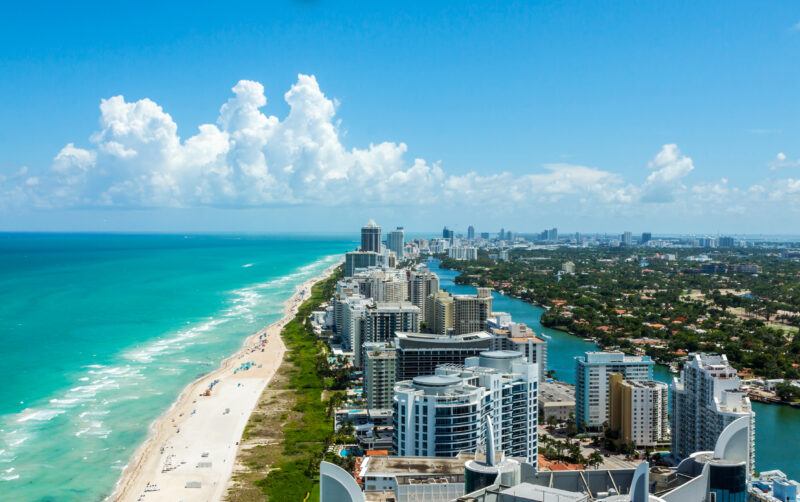
North Florida
North Florida is home to some of the best breaks and iconic surfing spots, including the renowned Mayport Poles, making it a prime destination for surfers of all levels.
Jacksonville Beach Pier
A classic beach break with consistent sandbars, sandy bottoms, and shifting peaks, making it one of the best breaks in North Florida. Works great during cold fronts and hurricane swells, with the best surf often occurring during strong northeast or east swell conditions. Strong local scene.
Atlantic Beach / Neptune Beach
This stretch of surfable coastline offers fun, playful waves with lots of peaks and chill vibes. Multiple peaks along the stretch provide options for surfers. Best on northeast or east swell.
St. Augustine Pier
A classic community surf zone with rippable waves, good longboard sections, and consistent sandbars. The best surf is usually found during hurricane swells or strong east winds.
Central Florida
Surf conditions in Central Florida can vary widely depending on swell direction and wind, which greatly influences the quality of waves at each spot.
New Smyrna Beach (NSB)
One of the best spots in Central Florida, New Smyrna Beach is a renowned beach break, offering the most consistent surf in Florida — fast, punchy, high-performance waves breaking along perfect sandbars south of Ponce Inlet. Known for both incredible waves and frequent shark encounters. Loved by pros and locals, New Smyrna Beach also has a rich history of surfing competitions, making it a significant hub in the competitive surfing scene.
Daytona Beach & Ormond Beach
Fun, mushy waves on small days and surprisingly punchy surf during storms. Daytona Beach is a classic beach break, with surf conditions that can vary greatly depending on swell direction and weather patterns, offering something for every level. Surfers often hit Daytona Beach when the swell is right. Great longboarding.
Ponce Inlet
Hollow, fast, and powerful at size. A playground for high-performance surfing and a magnet for hurricane swell. Surfers frequently hit Ponce Inlet when the swell is right, as surf conditions shift with changing swells and storms, creating a dynamic environment for surfers.
Space Coast
Cocoa Beach Pier
A classic beach break with sandy bottoms and variable peaks. Beginner-friendly but surprisingly fun on the right tide and swell. Soft waves with a historic surf culture.
Second Light
A classic beach break known for its sandy bottom and variable peaks. One of the best shortboard-friendly waves in Central Florida. Fast, punchy, and consistent.
Satellite Beach (Hightower, Pelican)
Quality sandbars that produce long walls and rippable faces, especially during winter cold fronts.
Sebastian Inlet
The most famous wave in Florida — a world-class right-hand wedge off the jetty that offers barrels, long running walls, and high-performance sections. Sebastian Inlet is a true swell magnet, attracting and amplifying incoming swells for powerful surf conditions year-round. The north side of the inlet is where the best waves break and most skilled surfers gather, especially at First Peak, which is the most competitive and high-performance section, known for its tall, powerful waves created by swell reflections off the jetty. Just north of First Peak is Second Peak, a less crowded break favored by experienced surfers seeking advanced waves, while Third Peak offers a more accessible option with good surf and plenty of surfers around. Picnic Tables is a great place for both surfing and gatherings, known for its consistent waves and welcoming atmosphere. Nearby, Spanish House is a notable surf spot and local landmark, popular among experienced surfers and a key reference point for the local surf community. Crowded, competitive, and legendary.
Treasure Coast
Fort Pierce Inlet
Powerful, wedgey peaks with surprising hollow sections. One of the more powerful waves outside of Sebastian. Waves here tend to break best during the incoming tide.
Vero Beach
Quality beach breaks with fewer crowds and glassy morning sessions.
Stuart Rocks & Bathtub Reef
Intermediate-friendly waves with reef influence and clean lines.
South Florida
Palm Beach / Reef Road
Florida’s most powerful winter wave when the north swell hits right. Can produce Hawaiian-style walls and barrels. Rare but spectacular, and there are few places in Florida where such powerful waves can be found. The nearby Gulf Stream helps keep the water warm year-round and can enhance the quality of the surf.
Boca Raton (Red Reef)
Fun, playful waves with good shape on small to medium swells.
Fort Lauderdale Beach
Mostly mellow but fun. Perfect for beginners on small days.
Miami Beach (South Beach)
Only works on strong east/northeast winds or distant hurricane swell. When it’s on, it’s a fun, punchy novelty wave.

Florida - East Coast surf travel guide
Find trips that fit a flexible lifestyle
Learning to Surf in East Coast Florida
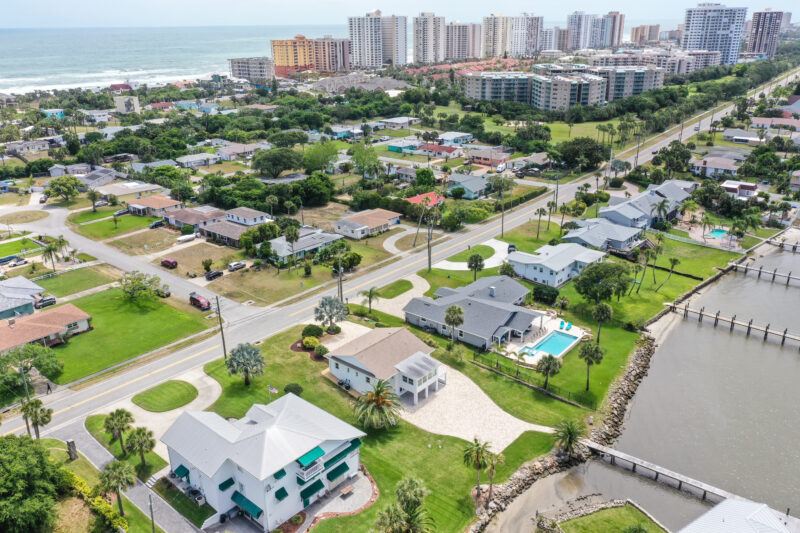
Best beginner beaches:
These are some of the best spots for learning to surf on the east coast:
- Cocoa Beach
- Jacksonville Beach
- Daytona Beach
- Miami Beach
- St. Augustine
- New Smyrna (small days)
Lessons: AU$40–80
Rentals: AU$20–40/day
Warm water + soft sand = perfect for beginners.
Safety and Etiquette
- NSB has the highest shark bite rate in the US (small bites, but be aware)
- Strong rips during hurricane swell
- Sun exposure is intense
- Lightning storms are common
- Don’t surf storm surge near piers
- Respect heavy local crews at Sebastian + Ponce
Always check conditions — Florida storms move quickly.
Surf and Yoga Retreats
Popular in:
- Cocoa Beach
- New Smyrna Beach
- St. Augustine
- Miami wellness centers
Expect:
- Sunrise beach yoga
- Soft-top longboard lessons
- Healthy tropical meals
- Smooth beginner waves
- Wellness focus
Prices: AU$600–2,000/week depending on luxury.
Accommodation Options for Surfers
Budget motels: AU$50–120
Mid-range hotels: AU$120–250
Beach rentals: AU$180–400
Boutique hotels: AU$250–600
NSB and Cocoa → great value
Miami → expensive
Palm Beach → luxury pricing
Comparison to Other Surf Destinations
Florida vs California:
- Warmer water
- Less powerful
- More longboard-friendly
- California offers more consistent and powerful waves, with popular destinations like San Diego attracting surfers for their variety of breaks and vibrant surf scene.
- The Sunshine State is renowned for its year-round surf and vibrant surf culture, making it a prime destination for surfers seeking mellow conditions and a welcoming community.
Florida vs Outer Banks:
- Way more mellow
- Less consistent
- Much safer + more accessible
- The Outer Banks, located on barrier islands, are known for their consistent surf and lively summer atmosphere. Cape Hatteras, at the southern end, features dynamic sandbars that create excellent surfing conditions.
Florida vs Hawaii:
- Softer waves
- Beginner-friendly
- More affordable
Florida vs Long Island:
- Florida’s surf is generally warmer and more mellow, while Long Island is known for its notable surf spots, variety of breaks, and strong local surf culture.
Florida vs Gulf Coast:
- Florida’s east coast offers more consistent and higher-quality waves compared to the Gulf Coast, where the gulf provides gentler surf but still supports a dedicated surf community and unique spots along the Gulf of Mexico. Florida’s east coast also stands out for its historic surf spots and its role in producing world-class surfers.
Swell Sources:
- Florida’s surf is heavily influenced by Atlantic storms, with the North Atlantic generating large swell systems that impact wave quality along the coast.
Florida is the ultimate warm, friendly, daily-driver surf destination.
Expenses (AUD)
Accommodation: AU$50–600
Board rental: AU$20–40/day
Food: AU$15–35
Car hire: AU$60–120/day
Summer is cheaper; hurricane season spikes hotel prices in surf towns.
Cultural Notes
Expect:
- Laid-back, tropical surf vibe
- Endless sunshine
- Strong longboard culture
- Family-friendly beaches
- Hot, humid summers
- Island-time energy
- Surfing mixed with fishing, diving, and boating scenes
- Fins, sunblock, soft-tops, and stoke everywhere
Florida surfers love fun, warm-water, community-focused sessions.
Cell Coverage & Wi-Fi
Excellent along the entire coast
Public beaches have good signal
Cafés + surf shops offer strong Wi-Fi
Barrier island areas sometimes weaker
Final Thoughts
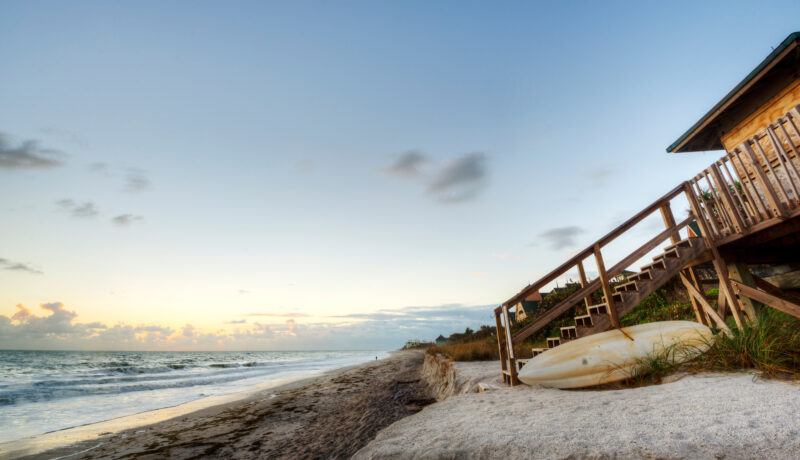
East Coast Florida is a warm-water surf haven — friendly, fun, sunny, and surprisingly high-quality when the swell hits. From the powerful sandbars of New Smyrna and the historic surf culture of Cocoa Beach to the high-performance walls of Sebastian Inlet, the reefy setups of the Treasure Coast, and the tropical longboard waves of South Florida, this coastline has something for every level of surfer.
It’s accessible, mellow, beautiful, and full of stoke — and when hurricane season lights up the Atlantic, Florida delivers world-class surf that can rival anywhere on the East Coast.
Plan a trip down A1A to hit the diverse surf spots and soak in the unique culture of East Coast Florida. A sunshine-filled surf lifestyle with year-round waves, warm water, and iconic coastal charm.
Florida is pure surf happiness.