
Surfing in Brazil (South)
Surfing guide to Brazil (South), Brazil, South America
Brazil (South) has 4 main surf areas. There are 56 surf spots . Go explore!


Overview of surfing in Brazil (South)

Brazil is a powerhouse of modern surfing. Known for producing world champions like Gabriel Medina, Italo Ferreira, and Filipe Toledo, the country’s surf culture is booming and deeply tied to national pride. With over 7,000 km of Atlantic coastline, Brazil offers a huge variety of waves: warm-water beach breaks, punchy reef slabs, long sandy points, and heavy storm-driven swells in the south.
Surfing here is more than sport—it’s a way of life. Beach culture dominates Brazilian cities, from Rio de Janeiro’s Copacabana to Florianópolis’s island beaches. Surfing blends seamlessly with samba, football, and carnival, making the vibe both lively and welcoming. Whether you’re hunting barrels in Saquarema or mellow rollers in Itacaré, Brazil delivers consistent surf in a vibrant cultural setting.
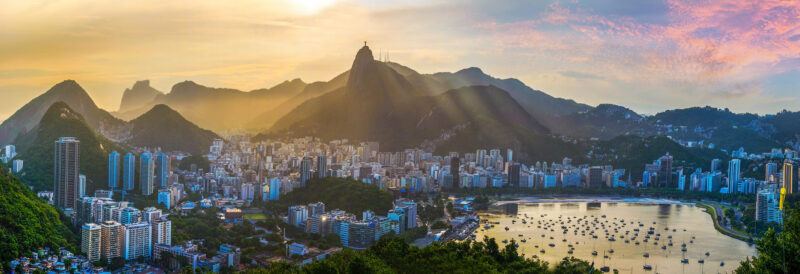
Unlike colder Atlantic destinations like the UK or Ireland, Brazil offers year-round warm water, tropical backdrops, and a buzzing surf community. Costs vary—big cities can be pricey, but smaller surf towns are affordable, with plenty of pousadas (guesthouses) and surf camps. Add world-class nightlife, food, and music, and a surf trip to Brazil is equal parts adventure and celebration.
Surf Regions in Brazil
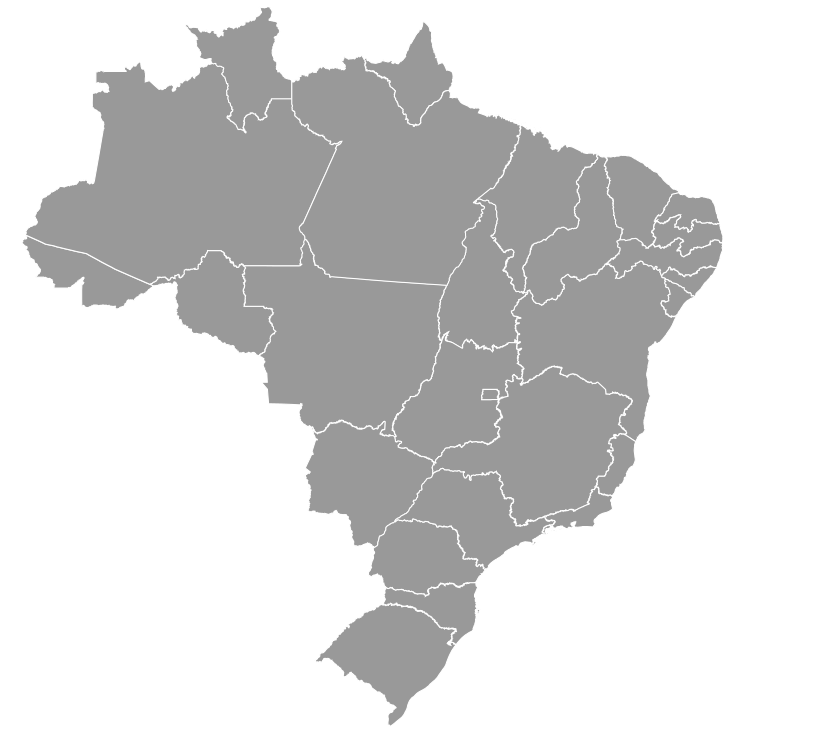
Rio de Janeiro State
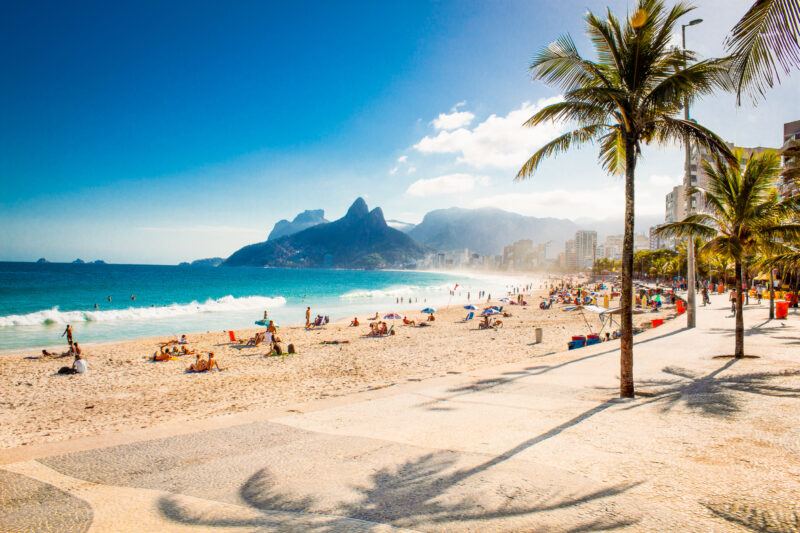
Rio is Brazil’s most famous city, and its beaches double as urban surf breaks. Arpoador, Ipanema, and Barra da Tijuca are lively surf spots with consistent waves and packed lineups, all located along Brazil’s Atlantic Ocean coastline. The jewel is Saquarema, just two hours east of Rio, often called the “surf capital of Brazil.” It hosts the WSL Championship Tour event and is known for its powerful beach breaks and barrels that test even pros.
São Paulo State
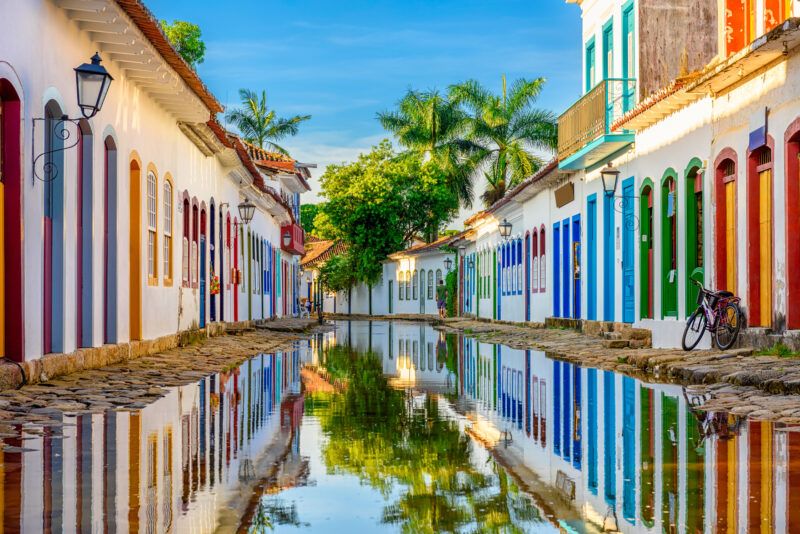
São Paulo’s northern coast offers lush rainforest backdrops and consistent surf. Ubatuba is a standout, with over 100 beaches offering options for all levels. It’s a surf playground where locals and travellers mix in a buzzing beach-town atmosphere. Maresias, another São Paulo gem, is home to world-class waves and was the training ground of Gabriel Medina.
Santa Catarina (Florianópolis)
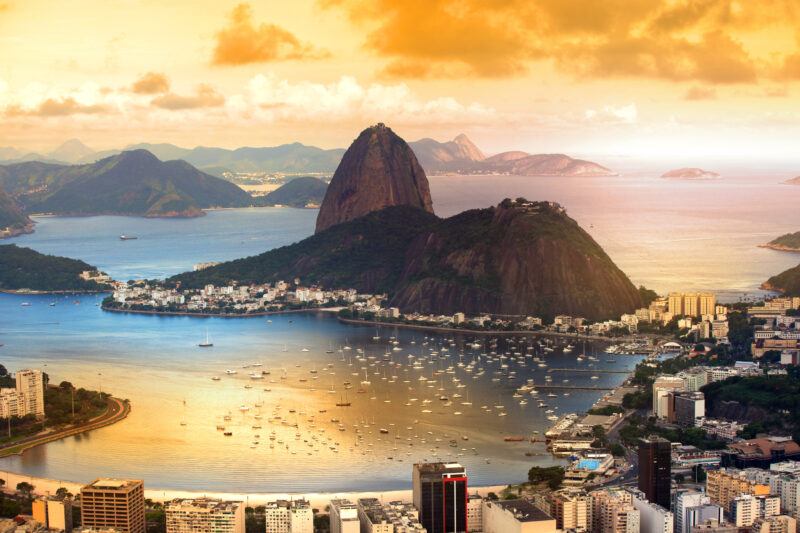
Florianópolis, often called “Floripa,” is Brazil’s surf island paradise, situated on a large island and surrounded by several small islands along the Atlantic coast. Connected to the mainland by bridges, it has more than 40 beaches and an endless variety of waves. Joaquina and Praia Mole are famous for their punchy beach breaks, Barra da Lagoa offers mellow rollers for learners, and Lagoinha do Leste is a remote hike-in surf spot for adventurers. Floripa is vibrant, with surf shops, clubs, seafood markets, and one of the best nightlife scenes in Brazil.
Rio Grande do Sul

Brazil’s southernmost state gets colder water and heavier surf, influenced by South Atlantic storms. Torres is the main surf town, with consistent beach breaks and a growing surf culture. Winter (June–September) brings big swells that rival any in the Atlantic, making it a proving ground for serious surfers.
Bahia (Northeast Brazil)
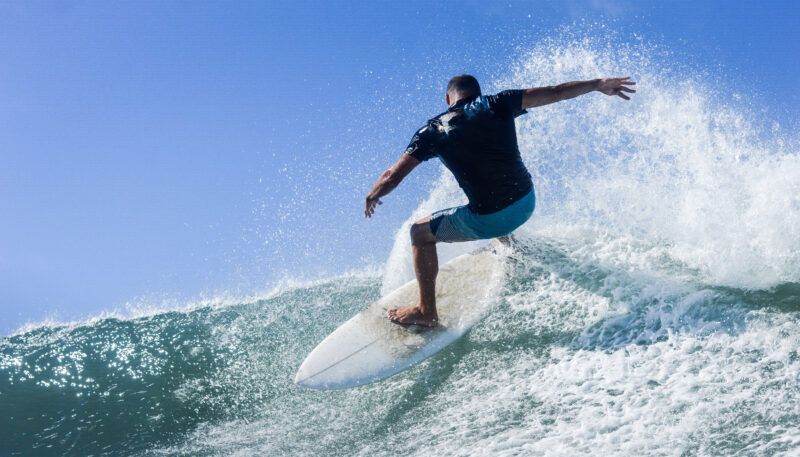
The northeast offers tropical surf with warmer water and fewer crowds. Itacaré in Bahia is the hub, with jungle-backed beaches, mellow points, and consistent surf year-round. The region is known for its tropical and subtropical landscapes, featuring lush rainforests and diverse ecological zones that enhance the natural beauty of the coastline. Praia da Tiririca is the local favourite, with a friendly lineup and plenty of surf schools. The vibe here is laid-back and infused with Afro-Brazilian culture—think music, capoeira, and fresh coconut water after surf sessions.
Ceará (Northeast Brazil)
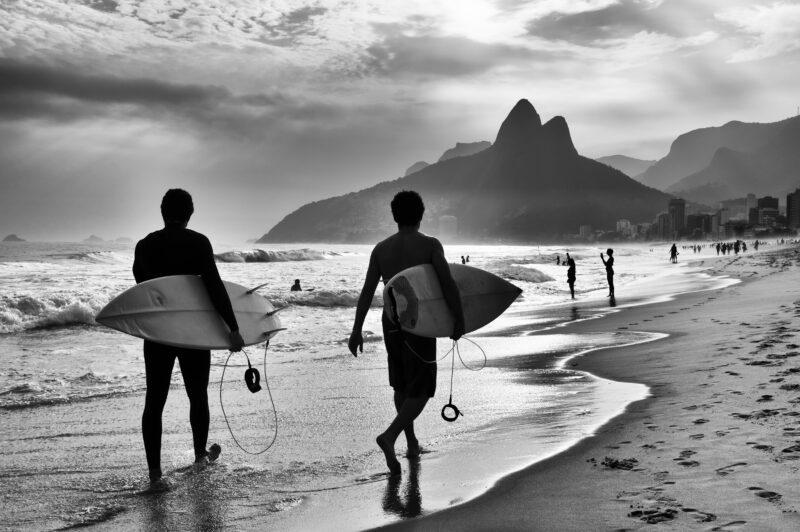
Ceará, in Brazil’s far northeast, is known for its strong wind, which shapes both its reputation for kitesurfing and its unique surf conditions. Fortaleza is the main hub, and nearby breaks like Taíba and Jericoacoara occasionally fire during the swell season. It’s not Brazil’s core surf zone, but it’s adventurous and off the beaten track.
The Good
- Year-round warm water, no wetsuits needed in most regions.
- Variety: beginner-friendly beach breaks, powerful competition-level waves, and mellow tropical points.
- Strong surf culture producing world champions.
- Affordable surf towns with lively nightlife and great food, supported by Brazil’s diverse economy that offers budget-friendly options for surfers.
- Rich cultural experiences—music, carnival, football, and beach lifestyle.
The Bad
- Crowds in urban spots like Rio and Floripa.
- Safety concerns in certain cities (watch your belongings on beaches).
- Seasonal storms can create messy conditions.
- Travel distances are long—Brazil is huge.

Getting there
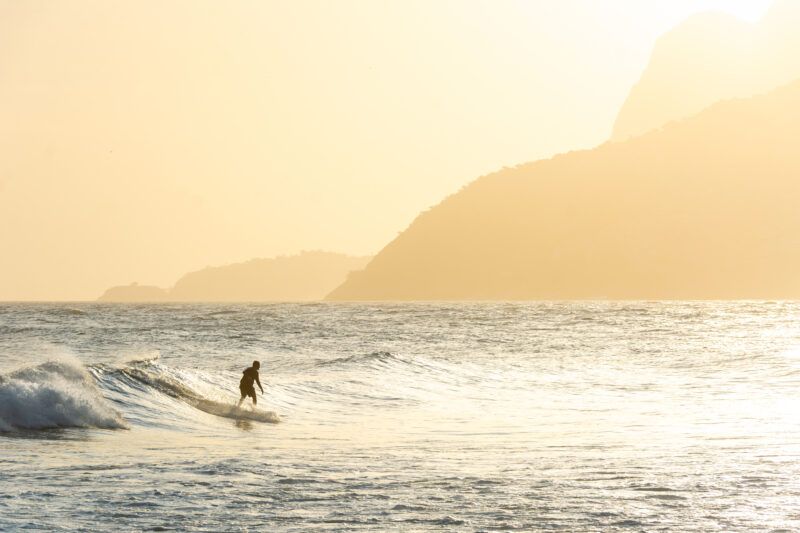
Major airports in Rio de Janeiro (GIG), São Paulo (GRU), and Florianópolis (FLN) connect internationally. From there, buses and domestic flights link surf towns. Because Brazil is a large country, travel distances between surf regions can be lengthy, making domestic flights a practical option. Surfboards can usually be checked as baggage, though fees vary by airline.
Car rentals are common in southern regions like Santa Catarina and São Paulo, while buses are affordable and reliable for longer trips. Surf towns like Saquarema and Itacaré are small enough to explore on foot once you arrive.
Crowds

Popular spots like Arpoador, Barra da Tijuca, Saquarema, and Joaquina can get extremely crowded, especially during weekends, holidays, and major surf events. The vibe is lively but competitive—Brazilian surfers are passionate and charge hard. Smaller towns like Itacaré and Torres see fewer visitors, and off-season sessions often mean plenty of waves to yourself.
Lineup Lowdown
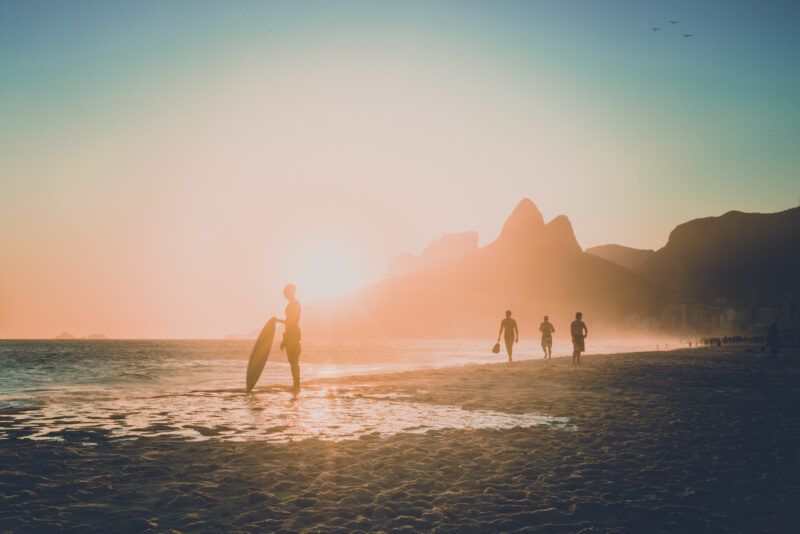
Brazilian lineups are vibrant, vocal, and competitive. Locals surf with flair and aggression, but they’re welcoming to visitors who respect etiquette. Don’t snake, don’t drop in, and wait your turn. Outside the hotspots, lineups are relaxed and often full of stoke. The surf scene is inclusive, with strong women’s surf communities where the achievements and presence of the female surfer are celebrated, and groms everywhere.
Surf spot overview

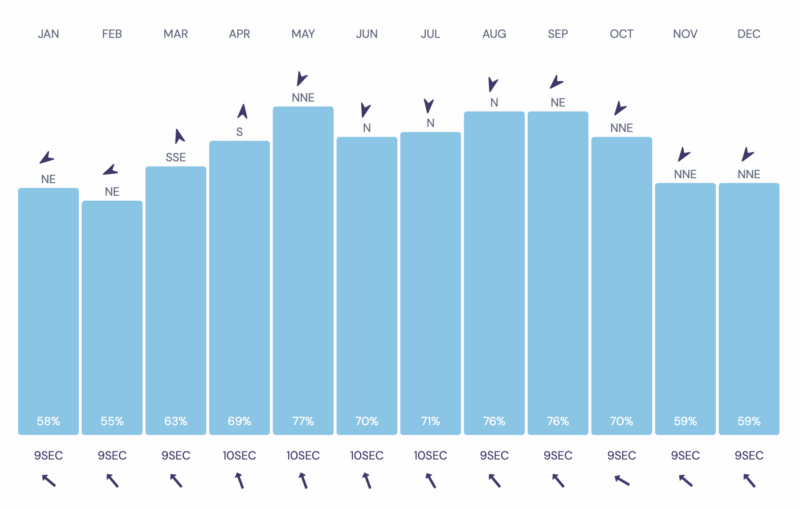
Surf seasons and when to go
The best time of the year to surf in Brazil (South)
Surf Seasons & When to Go
- Rio de Janeiro & São Paulo: March–October, with bigger winter swells.
- Santa Catarina (Floripa): Year-round, best April–September.
- Rio Grande do Sul: Winter (June–September) for bigger, heavier surf.
- Bahia (Itacaré): Year-round consistency, best December–March.
- Ceará: July–November when swells sneak through.
Water Temperatures & Weather
- Rio & São Paulo: 21–26°C, boardshorts or spring suit in winter.
- Santa Catarina: 18–24°C, full suit (3/2) needed in winter.
- Rio Grande do Sul: 15–20°C in winter, 3/2 or 4/3 required.
- Northeast Brazil (Bahia & Ceará): 25–28°C year-round, boardshorts only.
Brazil’s weather is mostly tropical—warm, humid summers and mild winters. Southern regions get cooler winters, but water is still manageable compared to Europe. In the south, you’ll also find subtropical landscapes, adding to the country’s diverse surf environments. The Brazilian landscape is incredibly varied, featuring lush forests, expansive wetlands, high plateaus, and low mountains, all contributing to the country’s unique natural beauty.
Can’t-Miss Surf Spots
Saquarema (Rio de Janeiro State)
Saquarema is the “surf capital of Brazil” and a must-visit for anyone chasing heavy, powerful beach breaks. Surfers are known for riding the heavy waves at Saquarema, especially at Itaúna Beach, which is the centrepiece and famous for hosting the WSL Championship Tour event. Waves here pack serious punch—expect barreling sections, shifting peaks, and long walls. Surfers often position themselves at the head of the wave to perform critical maneuvers or take off, adding to the technical challenge and excitement. Best between May and September, Saquarema works with consistent south swells and offshore winds. The town itself is small and surf-focused, buzzing during competitions with parties, surf brands, and crowds of stoked fans. This is Brazil’s version of Hossegor: raw, heavy, and central to its surf identity.
Maresias (São Paulo State)
Maresias is a tropical powerhouse surrounded by rainforest, known for its hollow beach breaks and performance waves. It’s Gabriel Medina’s home break, where Brazil’s first world champion earned his world title and honed his skills. The wave is fast, steep, and challenging, best for advanced surfers who thrive in heavy conditions. The best season is April to September, when southerly swells light up the coastline. Outside the water, Maresias is a lively surf town with bars, pousadas, and a young crowd. It’s a wave that reflects Brazilian surfing: stylish, progressive, and full of energy.
Joaquina (Florianópolis, Santa Catarina)
Joaquina, or “Joaca,” is one of Brazil’s most famous competition waves. The beach break is powerful and consistent, delivering lefts and rights that work year-round. Best between April and October, Joaca can handle size and is known for its hollow barrels on big swells. It’s also the site of Brazil’s first international surf events and contests in the 1970s, giving it a place in surf history. The surrounding area is stunning, with dunes, hiking trails, and a buzzing surf culture.
Praia Mole (Florianópolis, Santa Catarina)
Praia Mole is another Floripa gem, just minutes from Joaquina. The wave is punchy and playful, with consistent swells that make it one of the best all-round surf beaches in Brazil. Best in autumn and winter, Praia Mole suits intermediates and advanced surfers, with fun peaks and hollow sections on bigger days. The beach is social, with bars, volleyball courts, and a young, energetic vibe. Surfers here mix with beachgoers and fellow surfer athletes, creating a lively atmosphere that’s as much about lifestyle as the waves.
Itacaré (Bahia)
Itacaré blends tropical paradise with consistent surf. The standout is Praia da Tiririca, a short, punchy wave with a playful peak that’s popular with locals and travellers alike. Best between December and March, Itacaré’s surf is consistent and friendly, with smaller waves ideal for learners at nearby beaches like Ribeira and Resende. The town is a surf-yoga hub, full of capoeira performances, Afro-Brazilian rhythms, and a warm, community-driven atmosphere that feels like family among surfers and locals. Itacaré is less about heavy waves and more about the surf lifestyle, making it a must for culture-loving surfers.
Torres (Rio Grande do Sul)
Torres is the heart of southern Brazilian surfing, where colder South Atlantic waters bring heavy winter swells. The beaches here, like Praia da Guarita, offer consistent surf with powerful peaks that light up between June and September. The water is chilly, demanding full wetsuits in winter, but the waves are worth it. Torres is a growing surf town with a low-key vibe compared to Rio or Floripa, offering a mix of festivals, friendly locals, and a rugged, windswept coastline. It’s the spot for surfers who want to push themselves in heavier conditions.

Brazil (South) surf travel guide
Find trips that fit a flexible lifestyle
Learning to Surf in Brazil for Brazilian Surfers
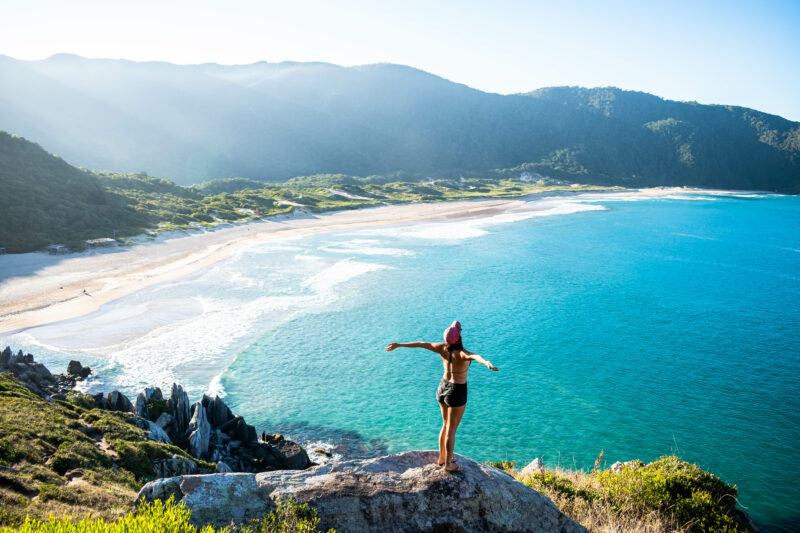
Brazil is perfect for learners, with surf schools everywhere from Rio to Itacaré. Tatiana Weston Webb, a notable female surfer with Brazilian heritage, has inspired many new surfers through her achievements and strong connection to Brazil. Barra da Tijuca, Barra da Lagoa, and Praia do Forte are beginner-friendly, with sandy bottoms and gentle waves. In the northeast, warm water makes it comfortable for first-timers, while surf camps provide packages with lessons, accommodation, and meals.
Safety and Etiquette

Most hazards in Brazil aren’t from the ocean but from urban environments—watch your belongings on crowded beaches, and stick to well-known areas at night. In the water, respect locals, wait your turn, and surf with confidence. Ocean hazards include strong rips at powerful beach breaks like Saquarema and Maresias. Southern Brazil can also bring colder water and stormy conditions.
Surf and Yoga Retreats
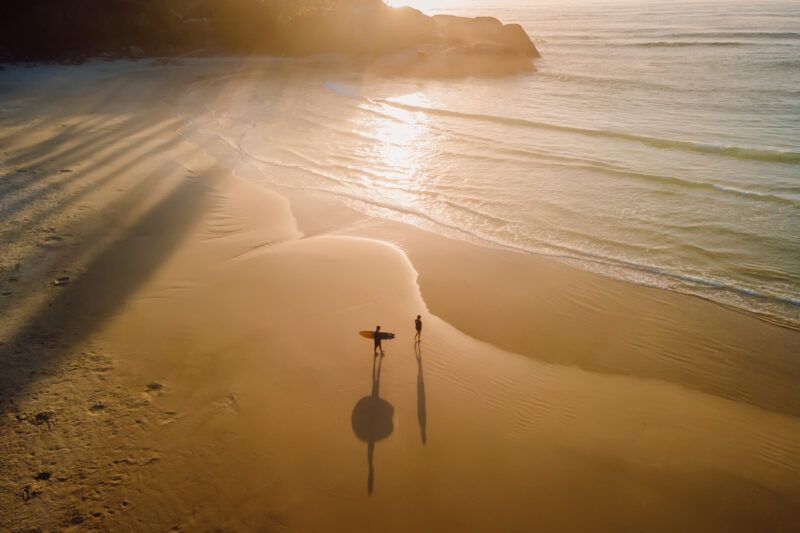
Florianópolis and Itacaré are hubs for surf-yoga retreats, offering daily surf lessons, yoga classes, meditation, and healthy Brazilian meals. These retreats combine wave progression with wellness, creating a balanced surf lifestyle. Rio also has boutique retreats blending surfing with cultural tours and nightlife.
Accommodation Options for Surfers
- Rio: Hostels AU$30–60, hotels AU$120–200, luxury AU$300+.
- São Paulo State: Pousadas AU$50–100, surf camps AU$100–150.
- Santa Catarina: Guesthouses AU$40–80, surf camps AU$100–180.
- Bahia: Pousadas AU$40–70, eco-lodges AU$120+.
- Rio Grande do Sul: Budget hotels AU$40–70, surf lodges AU$80–120.
Comparison to Other Surf Destinations
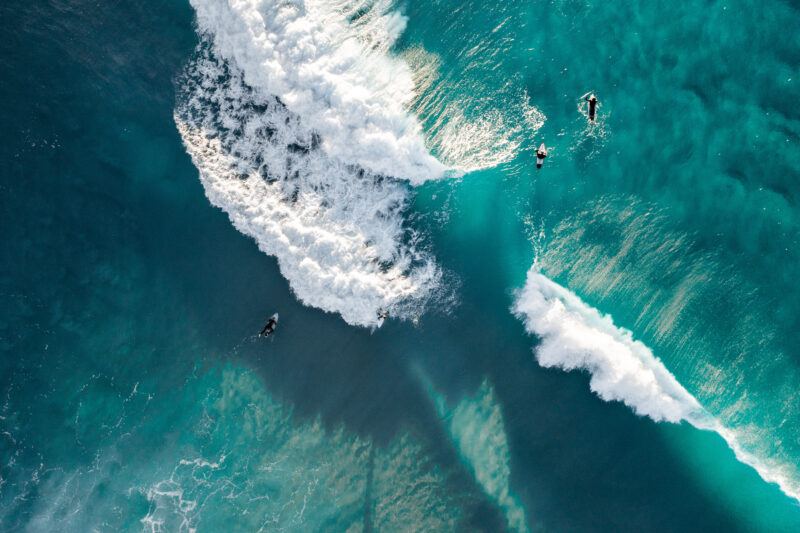
Brazil combines California’s surf culture, Australia’s talent pool, and Europe’s passion—all wrapped in tropical warmth. Brazil’s surf regions are recognized among the top destinations for surfers on the planet, attracting athletes from around the world. Saquarema competes with France’s Hossegor as a heavy beach break, while Itacaré feels like Costa Rica with its jungle-backed beaches. Brazil is more affordable than Hawaii or Tahiti, with just as much vibrancy and energy.
Expenses

- Accommodation: AU$30–300+ depending on region and style.
- Food: AU$8–15 for local meals; AU$30–50 for upscale dining.
- Transport: Domestic flights AU$80–150, car rentals AU$40–70/day.
- Surf Costs: Rentals AU$15–30/day; lessons AU$40–70/session.
Brazil can be done on a budget in small towns like Itacaré, or at higher costs in Rio and Floripa.
Cultural Notes
- Brazilians are passionate, loud, and friendly—expect energy in the lineup and on the beach.
- The achievements of Brazilian surfers are widely celebrated in the media, which helps boost their national and international recognition.
- Football, samba, and surf share the same spirit of celebration.
- Learn some Portuguese phrases—locals appreciate the effort.
- Food is diverse: açaí bowls, pão de queijo, churrasco, and seafood dominate surf towns.
Cell Coverage & Wi-Fi

Final Thoughts
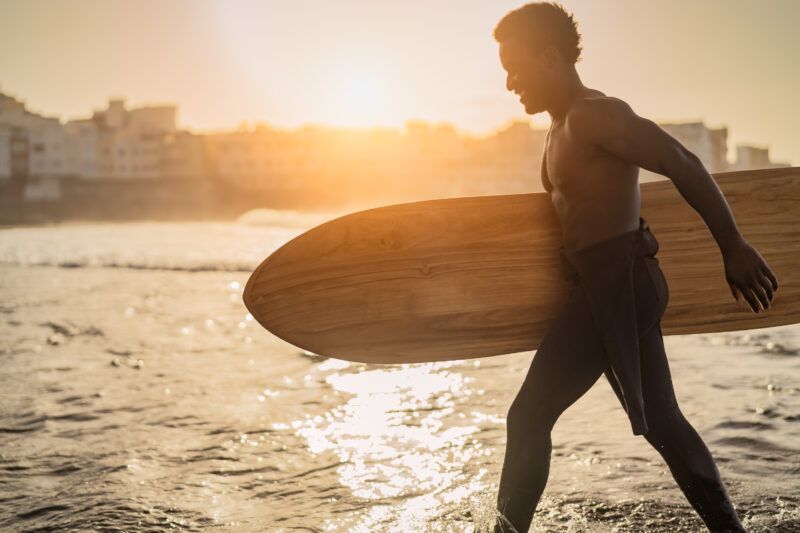
Brazil is a surf destination full of energy, passion, and variety. Saquarema is a proving ground for pros, Maresias trains champions, Floripa offers endless variety, and Itacaré brings tropical soul. Add warm water, vibrant culture, and affordable travel, and you’ve got one of the most exciting surf regions in the world.
Surfing in Brazil is more than waves—it’s samba, football, carnival, and community. Bring your stoke, your Portuguese greetings, and your boardshorts—Brazil will welcome you with open arms and powerful surf.
As a South American country, Brasil occupies a prominent position on the continent, covering about one fifth of South America and recognized as the largest country in the region and the fifth largest country on earth. Its national territory stretches from the north, where the Amazon rainforest and the vast Amazon basin dominate northern Brazil, to the west and south, sharing borders with many countries, including Argentina and Venezuela. The Brazilian territory is defined by extensive borders, with notable border points such as those near Venezuela, and encompasses diverse forms of landscapes and regions. Brasil is a federative republic, with a federal government structure that includes the president, the federal senate, and the federal district, where Brasília is located. Since its independence from Portugal, Brazil has experienced various forms of government, maintaining its unity as a nation, unlike former British colonies that fragmented into smaller countries. The Brazilian government administers a diverse and complex territory, rich in ecological and cultural diversity. Brazil’s borders with neighboring countries are significant for its regional relationships and geographic identity. The global reach of Brazilian surfers, such as Filipe Toledo—who trains in San Clemente and competes for gold in international competitions—reflects the nation’s influence and passion for excellence on the world stage.