Overview of surfing in Safi
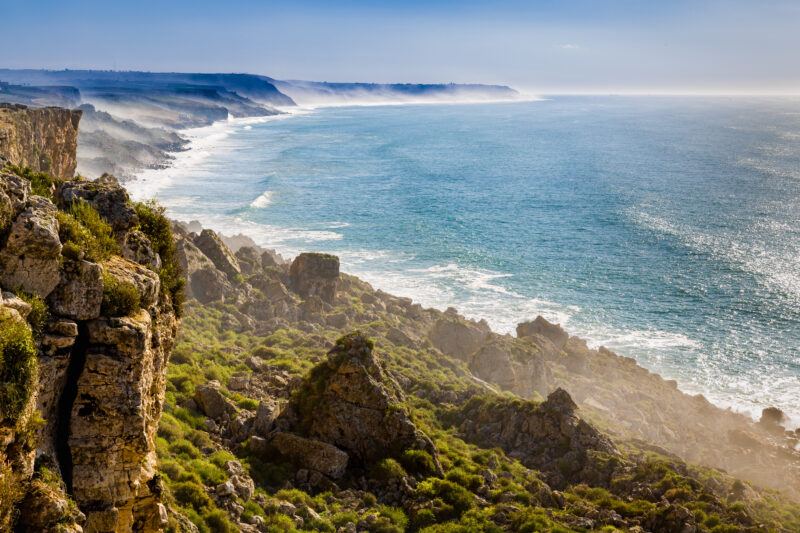
Safi is one of Morocco’s most legendary yet underrated surf destinations. Located about two hours north of Essaouira and south of Casablanca, this gritty port city is better known for its ceramics and sardine exports than tourism. But for surfers, Safi is sacred ground — home to one of the heaviest, longest right-hand point breaks in the world.
The wave at Safi is not for beginners. When the Atlantic lights up, the point unleashes powerful, barreling rights that peel down the rocky shoreline for hundreds of metres. It’s often compared to Jeffrey’s Bay in South Africa, but heavier, hollower, and far less forgiving. On the right swell, Safi can serve up world-class tubes that rival anywhere on the planet.
But Safi isn’t just about the main point. The surrounding coastline hides beach breaks, reefs, and lesser-known points that cater to intermediates and learners. The mix of raw waves, authentic Moroccan culture, and relatively few foreign visitors makes it one of the most rewarding surf adventures in North Africa — if you’re ready for it.
Surf Regions in Safi
Safi Point
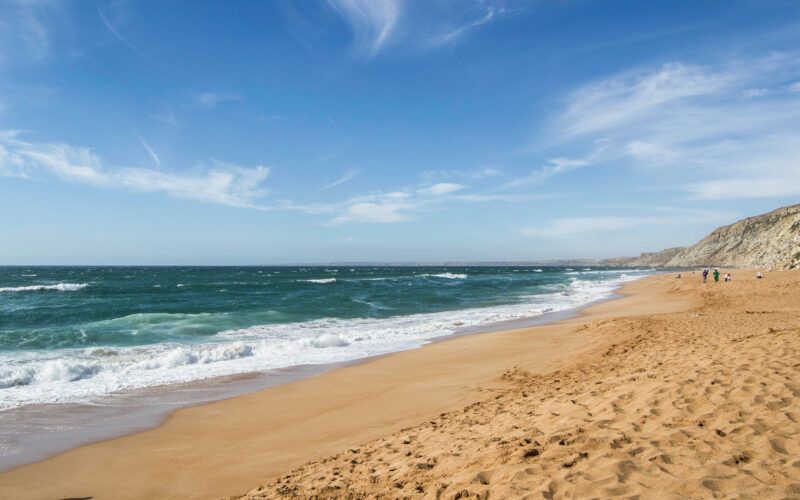
The crown jewel of the region, Safi Point is a legendary right-hand point break that offers some of the best barrels in Morocco. Safi is located on Morocco’s northwest Atlantic coast, providing access to the Atlantic Ocean and making it a prime surf location in North Africa. It’s a wave for advanced surfers only, with long, hollow sections and shallow rock shelves.
Morocco is a mountainous African country with a diverse climate, which influences the surf conditions and creates a unique environment for surfers.
Souira Kedima
Cap Beddouza
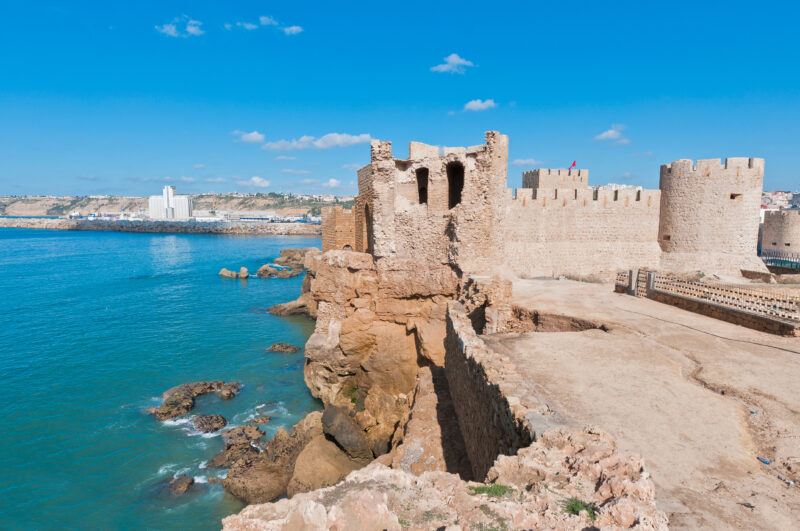
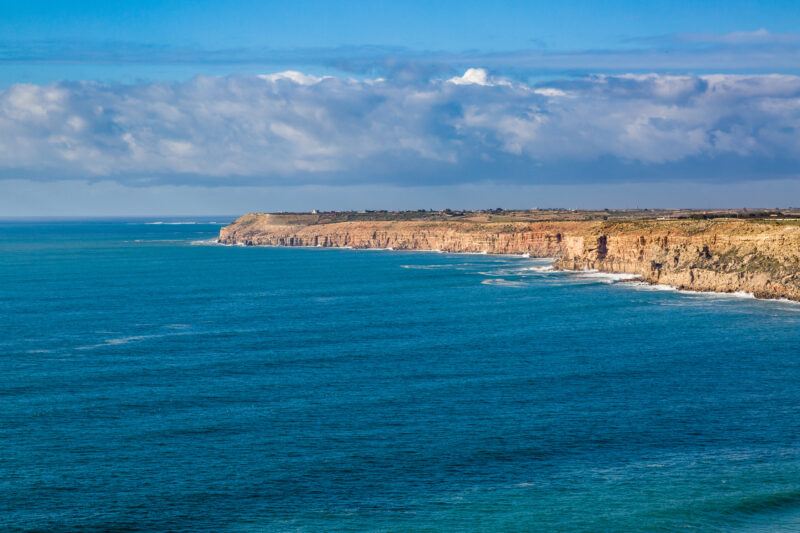
North of Safi, this exposed headland offers heavy reef and beach setups that fire on bigger swells. Less consistent, but powerful when it turns on.
South Safi Beaches

Heading south towards Essaouira, there are scattered beach breaks and points that work on different swells. Many are uncrowded and ideal for intermediates, benefiting from Morocco’s strategic location in northwest Africa.
The Good
- One of the best right-hand point breaks in the world
- Powerful, hollow waves with long rides
- Authentic Moroccan culture and fewer tourists
- Affordable accommodation and food
- Plenty of uncrowded surf options nearby
- Growing tourism industry, attracting surfers from around the world
- Surrounding area is known for its fertile land, providing fresh local produce
The Bad

Getting there
Safi is about 2 hours’ drive north of Essaouira and 3–4 hours south of Casablanca. Rabat, the capital of Morocco, is a key travel hub for international visitors. The nearest major airport is Marrakech (4 hours away). Rental cars (AU$40–60/day) are the easiest option, though buses and shared taxis also run from Marrakech, Essaouira, and Casablanca.
Morocco shares borders with several countries, including Algeria to the east and Western Sahara to the southeast.
Within Safi, surf spots are close together. The main point is accessible by car or even on foot if you stay in nearby guesthouses.
Morocco’s proximity to the Strait of Gibraltar provides easy access from Spain and other European countries.
Crowds
When Safi Point is firing, expect crowds of locals and traveling pros. The lineup is competitive, and waves are precious — you’ll need skill and patience to score. Outside the point, beaches and reefs are often empty or shared with just a handful of locals.
Lineup Lowdown
Safi Point has a serious lineup. Locals know every rock and section, and respect is non-negotiable. Don’t paddle straight to the top — watch, wait, and take your turn. Dropping in is dangerous as well as disrespectful, given the wave’s power.
Elsewhere, the vibe is mellow. At Souira or southern beaches, you’ll often be welcomed with smiles.
Surf seasons and when to go
The best time of the year to surf in Safi
Surf Seasons and When to Go
The best surf season in Safi is October to March, when consistent Atlantic swells deliver the power needed for the point to break properly. Winter swells create the longest, heaviest rides. During these peak months, the density of surfers in the water increases significantly, so arriving early is important if you want to score the best waves.
Spring and autumn bring fun, medium-sized waves, while summer is less reliable — often flat or too small for the point, though beaches may still offer playful surf.
Water Temperatures and Sahara Desert Weather
Water temps range from 16–22°C. A 3/2 or 4/3 wetsuit is recommended in winter (December–March), while summer is fine in a springsuit or even boardshorts. Air temps average 20–25°C in winter and 28–35°C in summer. The nearby Atlas Mountains influence the region’s weather patterns, contributing to seasonal changes in wind and rainfall. The mountains play a significant role in shaping the local climate, especially during winter. Offshore winds in winter groom the waves, while summer often brings onshores.
Can’t-Miss Surf Spots
These must-surf spots are uniquely located along Morocco’s Atlantic coast, offering a diverse range of waves and experiences for surfers of all levels.
Safi Point
The main event. Located near the historic old city of Safi, this spot sits in a prime location for both surf and cultural exploration. On a solid north-west swell, Safi Point produces some of the best right-hand barrels in the world. The takeoff is steep and critical, leading into long, hollow sections that peel down the rocky reef for up to 400 metres. It’s fast, heavy, and shallow — experts only.
Souira Kedima
A sandy beach north of Safi with multiple peaks, Souira is forgiving and fun. Great for learners and intermediates, especially when Safi Point is too big.
Cap Beddouza
An exposed headland offering a mix of reef and beach breaks. It works best on solid winter swells and can deliver heavy waves with less crowd pressure.
Southern Beaches
Heading towards Essaouira, several sandy coves and reef setups provide playful, uncrowded surf. These are ideal fallback options when the point isn’t working.

Safi surf travel guide
Find trips that fit a flexible lifestyle
Learning to Surf in Safi
Safi itself is not ideal for beginners — the point is too heavy and dangerous. But Souira Kedima, 30 minutes away, is one of the best learner-friendly zones in the region. A few surf schools operate here, offering lessons for AU$40–60 and rentals for AU$20–25/day.
Safety and Etiquette
Safi Point is dangerous. Shallow reef, strong currents, and heavy lips make wipeouts brutal. Only paddle out if you’re confident in heavy waves. Helmets are rare but smart here. Reef cuts are common — bring a medical kit.
Etiquette is strict at the point. Locals get priority, and respect is essential. At beaches and smaller spots, the vibe is friendlier but still follow standard surf rules.
Surf and Yoga Retreats for Tourism
Unlike Taghazout or Imsouane, Safi doesn’t have a retreat scene. The surf here is raw and advanced-focused. However, a few camps near Souira and Essaouira offer packages that include day trips to Safi Point. Prices range from AU$800–1,500 per week with lessons, meals, and transfers.
Accommodation Options for Surfers
- Safi town: The main commercial centre of the region, with budget guesthouses AU–60 and mid-range hotels AU–120
- Near Safi Point: Surf houses AU–80 per night, often with guiding included
- Souira Kedima: Guesthouses AU$30–70, surf camps AU$80–150 with meals
- Essaouira (for side trips): Riads AU–150, boutique hotels AU0–250
Comparison to Other Surf Destinations
This section offers a review of Safi’s standing among world-class surf destinations.
Safi is Morocco’s heavy-water answer to Jeffrey’s Bay or Skeleton Bay. Unlike Imsouane’s mellow rollers, Safi delivers raw power and technical barrels. Compared to Taghazout, it has fewer tourists, less infrastructure, but arguably a more world-class single wave. For advanced surfers, it’s Morocco’s crown jewel.
Expenses
- Accommodation: AU$30–150 per night
- Food: AU$5–10 for tajines, AU$20–40 for restaurants
- Transport: Car hire AU$40–60/day, taxis AU$20–50 locally
- Surf Costs: Rentals AU$20–25/day, lessons at Souira AU$40–60/session
- Retreats (southern camps): AU$800–1,500 per week
Cultural Notes on Moroccan Culture
Safi is a working-class city, less touristy than Taghazout or Essaouira. The vibe is raw and authentic.
Morocco, historically known as a powerful kingdom and former empire, has seen its territory shaped by various conquests, including the Arab conquest and earlier rule under the Roman Empire. Today, Morocco is a constitutional monarchy led by the king, who holds significant authority, alongside the prime minister, who heads the government. The country gained independence from colonial rule in 1956, marking a major transition in its modern history. Morocco’s official languages are Arabic and Berber, with French and other languages also widely spoken. The population is diverse and vibrant, with Rabat serving as the capital and a key political and cultural center. Morocco’s strategic location includes coastlines along both the Atlantic Ocean and the Mediterranean Sea, placing it near Spain and fostering deep historical ties to the Mediterranean region. The ongoing dispute over the territory of Western Sahara remains a significant issue in Moroccan politics and international relations.
The medina is famous for its pottery, and fishing culture dominates the coast. French and Arabic are widely spoken, English less so. Respect local customs, dress modestly away from the beach, and be prepared for a less polished but more real Moroccan experience.
Cell Coverage and Wi-Fi
Coverage in Safi town is solid. At the point and surrounding beaches, service can be patchy but workable. Wi-Fi is available in most guesthouses and surf houses, though not always reliable.
Final Thoughts
Safi is not for the faint of heart. Its point break is one of the heaviest, longest, and most rewarding waves in the world — but also one of the most dangerous. Surfing Safi tests both mind and body due to the wave’s sheer power. For advanced surfers, it’s a pilgrimage. For intermediates and beginners, nearby Souira offers a softer introduction.
If you want surf schools, yoga retreats, and beginner-friendly vibes, head to Imsouane or Taghazout. But if you want to test yourself against Morocco’s most powerful wave, and score the ride of your life, Safi delivers.
Additionally, always check local conditions and respect the lineup etiquette to ensure a safe and enjoyable session.