Overview of surfing in Northern Morocco
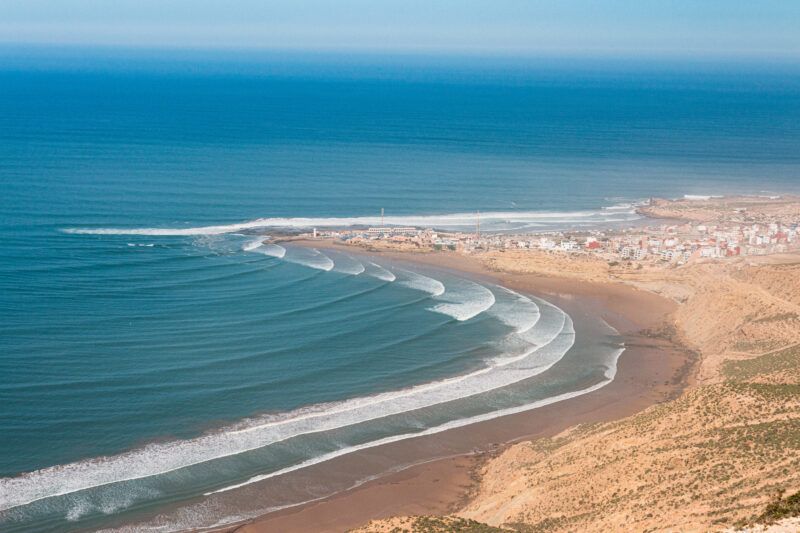
When most surfers think of Morocco, their minds jump straight to Taghazout, Agadir, and the iconic Anchor Point. But head north along Morocco’s Atlantic coastline, and you’ll find an underrated surf zone with long beach breaks, reefy points, and a more traditional, untouched vibe. From Rabat to Casablanca and up towards Tangier and the Mediterranean fringe, northern Morocco offers plenty of waves without the heavy crowds of the south.
This region doesn’t get the same global spotlight as southern Morocco, but that’s part of its charm. The surf is consistent, affordable, and diverse, with beach breaks perfect for learners and reef breaks that fire on solid Atlantic swells. Add to this Morocco’s rich culture, historic medinas, bustling souks, and the unique blend of African, Arab, and European influences, and northern Morocco becomes a rewarding surf destination with depth.
Surf Regions in Northern Morocco
Morocco is a vibrant country in North Africa, uniquely positioned with coastlines along both the Atlantic Ocean and the Mediterranean Sea. Its extensive coastline offers a wide variety of surf spots, from bustling city beaches to remote, scenic breaks. North Morocco, a region with access to both the North Atlantic Ocean and the Mediterranean Sea, offers a diverse range of surf spots and cultural experiences
Rabat
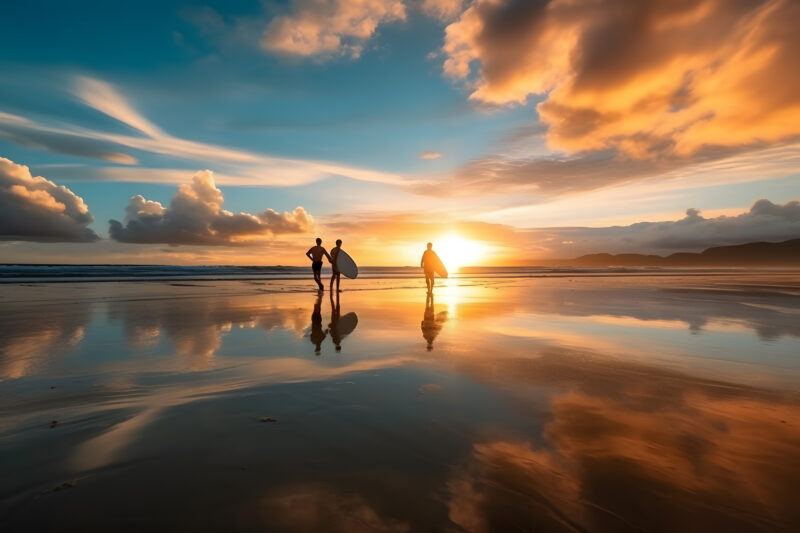
The capital city sits right on the coast, with beach breaks and reefs scattered along its shoreline. As one of Morocco’s major cities, Rabat serves as a cultural and travel hub, providing access to amenities and a gateway to the country’s surf destinations. The surf here is accessible, urban, and popular with local groms. The city’s architecture and vibrant medina evoke the exotic charm of Arabian Nights, immersing visitors in a picturesque atmosphere.
Casablanca
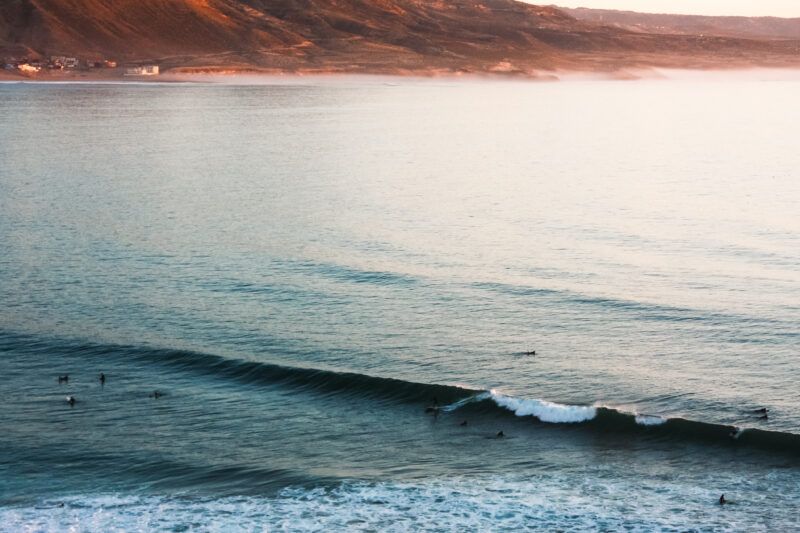
Morocco’s biggest city may not scream surf destination, but it has quality beach and reef breaks nearby. As a major city, Casablanca is a central hub for travelers, offering modern conveniences and cultural sites. Ain Diab is the main city beach, and while crowded, it’s consistent and fun. South of the city, more exposed spots light up on bigger swells. Casablanca is also home to the Hassan II Mosque, a major architectural and cultural landmark. It is one of the largest mosques in the world and one of the few in Morocco open to non-Muslim visitors, making it a significant attraction for tourists. The city’s lively streets and ornate buildings bring to mind the enchanting scenes of Arabian Nights.
Kenitra and Mehdia
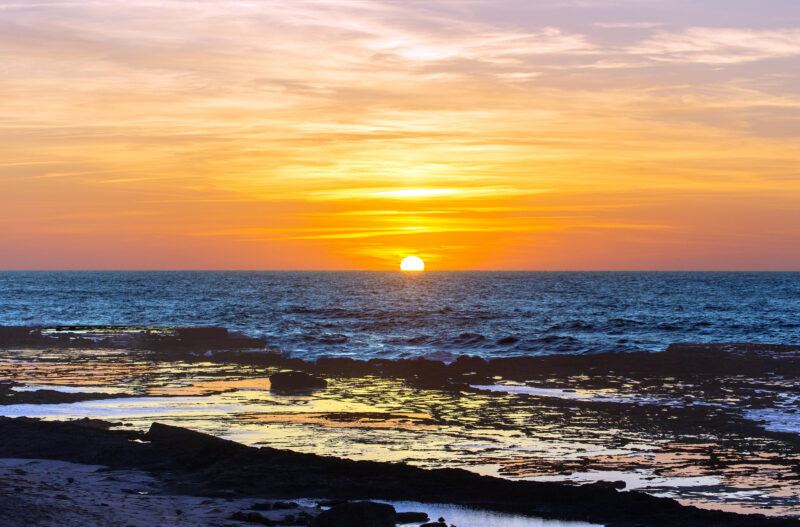
Just north of Rabat, Mehdia Beach is a long sandy stretch with consistent beach break peaks. It’s one of the most popular surf zones in the north, home to surf schools, camps, and a lively local scene. Kenitra’s coast also hides reefy setups that break with power.
Tangier
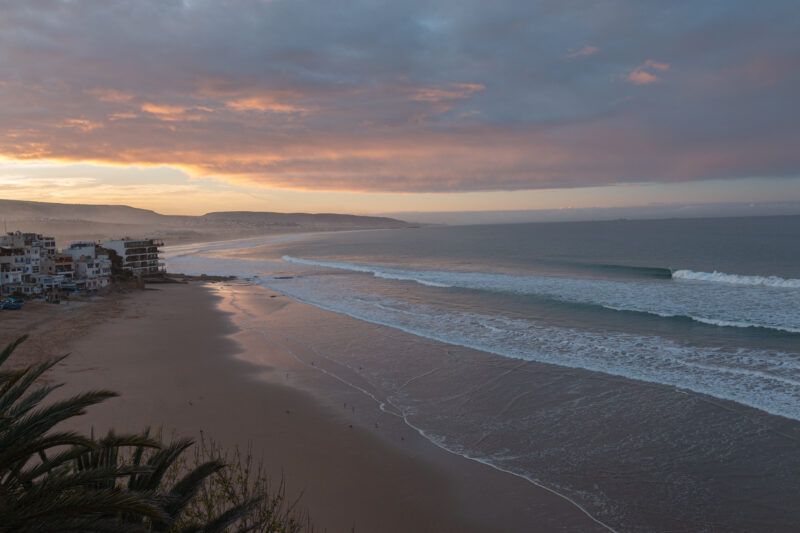
Sitting on the Strait of Gibraltar, Tangier is located at the meeting point of the Atlantic Ocean and the Mediterranean Sea, giving it a unique surf vibe. As a major city, Tangier is a key travel and cultural hub in northern Morocco. The surf here is less consistent, but on the right swells, fun waves appear along sandy beaches. Tangier also offers a ferry connection between the two countries of Morocco and Spain. Thanks to Morocco’s close proximity to Europe, travelers can easily access Tangier and other surf destinations for quick getaways. The city’s winding alleys, vibrant souks, and historic architecture create an atmosphere reminiscent of Arabian Nights, captivating visitors with its exotic allure.
Mediterranean Coast
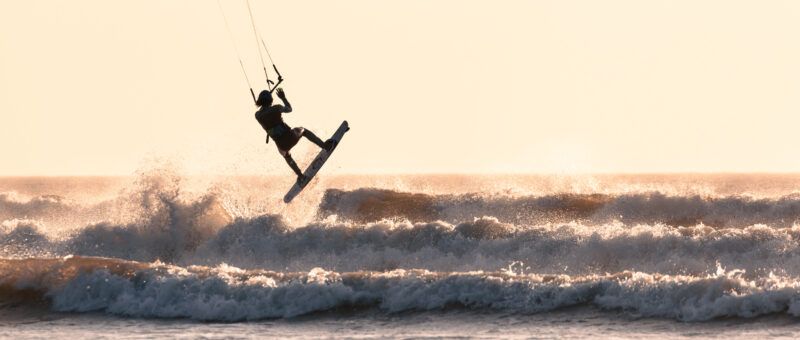
Less consistent than the Atlantic side, the Med gets occasional surf when strong winter storms push through. Novelty waves can appear, but it’s not a reliable surf zone. Morocco’s Mediterranean coastlines are significant for their cultural and historical influences, providing a distinct contrast to the surf-rich Atlantic coast.
Getting there
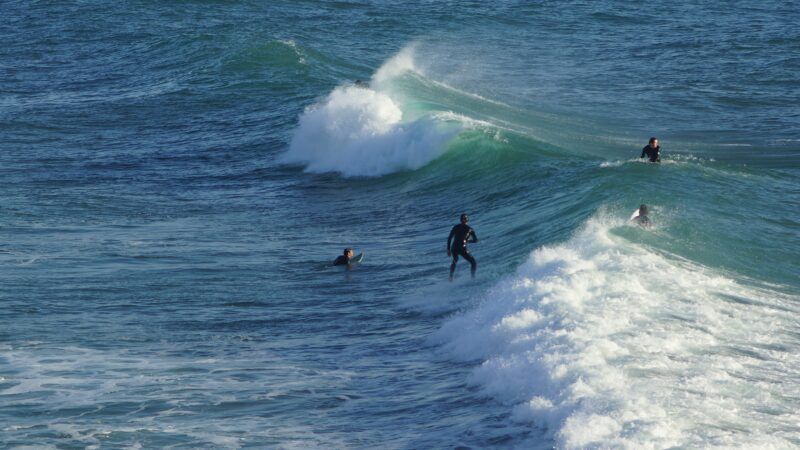
Most surfers fly into Casablanca’s Mohammed V International Airport, which has connections from across Europe and beyond. Rabat also has a smaller international airport, and Tangier is connected to Spain by ferry across the Strait of Gibraltar, as well as to the Spanish enclaves of Ceuta and Melilla, which serve as key ferry points. When planning your trip, consider making travel arrangements in advance for airport pickups and city transfers to ensure a smooth arrival and comfortable transition to your destination. Agadir, while further south, is often used as a gateway for surfers heading to Morocco’s best surf regions, thanks to its proximity to popular spots like Taghazout and its role as a transport hub for the surf community.
Traveling between surf towns is easy by train, bus, or car. Morocco’s train network is reliable and affordable, while buses connect smaller surf towns. Renting a car (AU$40–60 per day) offers the most flexibility for surfers in search of the best waves and unique experiences along the coast.
For those seeking more adventurous travel experiences, intrepid trips—such as overnight journeys by train or exploring off-the-beaten-path routes—can add excitement and comfort to your northern Morocco itinerary.
Crowds
Northern Morocco’s surf is much less crowded than Taghazout. At Mehdia and Ain Diab in Casablanca, you’ll find plenty of local surfers, especially on weekends, but rarely the packed lineups of southern Morocco. Tourists from Europe and beyond also visit these surf spots, especially during peak seasons, adding to the mix of visitors in the water. There’s a real sense of camaraderie and community when catching waves alongside both local surfers and fellow tourists. Outside main towns, expect empty peaks and a few curious locals.
Lineup Lowdown
Lineups in northern Morocco are welcoming but still follow standard etiquette. Locals are stoked to surf but protective of their best spots. Respect priority, don’t drop in, and share waves with patience. Surf schools at Mehdia bring in learners, so give beginners space in the lineup.
For visitors, hiring a local guide or tour guide can help you understand lineup etiquette and discover hidden surf spots that you might otherwise miss. With a guide, you have a better chance of finding hidden gem breaks—lesser-known, rewarding spots away from the crowds.
Surf seasons and when to go
The best time of the year to surf in Northern Morocco
Surf Seasons and When to Go
Northern Morocco gets waves year-round, but the prime season is October to March, when winter swells march across the Atlantic. The winter months are considered the best surf season, offering world class waves thanks to peak Atlantic swells and consistent conditions. This is when the reefs and points come alive with consistent, powerful surf, and certain spots provide swell protection during the winter months, making them especially reliable even when onshore winds pick up. Spring and autumn bring smaller but still fun conditions, while the summer months are generally less favorable for surf due to flat spells and stronger winds, making them less ideal for experienced surfers. However, summer can still offer mellow waves for learners. Experienced surfers have explored the seasonal patterns to maximize their chances of scoring good waves.
Water Temperatures and Weather
Water temperatures range from 16–22°C. Winter requires a 3/2 or 4/3 wetsuit, while summer is fine in a springsuit or even boardshorts on hot days. Air temps average 18–24°C in winter and 25–35°C in summer, with long sunny days common year-round.
Can’t-Miss Surf Spots
mehdia kenitra
One of northern Morocco’s most famous surf beaches, Mehdia is a long sandy stretch with consistent beach breaks. The sand here creates a forgiving bottom, influencing the wave quality and making it ideal for long, smooth rides. It’s perfect for beginners and intermediates, with surf schools and surf camps lining the beachfront. On bigger swells, outside sections offer punchier, world class waves for advanced surfers. At these heavier surf breaks, surfers may need to dive (duck-dive or turtle dive) under the waves to safely reach the lineup. The nearby imperial city of Meknes, with its rich history and the historic Jewish quarter, is worth a visit for those interested in Morocco’s cultural heritage. Not far from Mehdia, you can also explore the remarkable Roman ruins of Volubilis, a UNESCO World Heritage site that once thrived under the Roman Empire and offers a fascinating glimpse into the region’s ancient past.
Ain Diab (Casablanca)
Casablanca’s main city beach, Ain Diab is lively, urban, and consistent. The waves are fun and varied, offering something for all levels. The energy here is unique, with a backdrop of Morocco’s largest city just steps away. While visiting Casablanca, don’t miss cultural attractions like Rick’s Café, inspired by the movie Casablanca, which has become a must-visit spot for fans of the film and those seeking a taste of cinematic history. The impressive Hassan II Mosque, one of the largest mosques in the world, is also a highlight—uniquely, it is one of the few mosques in Morocco open to non-Muslims, allowing visitors to appreciate its stunning architecture and oceanfront setting. Surf camps are also available for visitors looking to immerse themselves in the local surf culture.
Bouznika
Halfway between Casablanca and Rabat, Bouznika is home to one of the north’s best right-hand, world class point breaks. It’s powerful, hollow, and handles solid swell, making it a favorite for experienced and advanced surfers seeking world class surf breaks. At low tide, the wave shape becomes more hollow and suitable for tubed rides, enhancing the quality of the surf. Many visitors choose to explore the area through guided tours or independent exploring, with tours often including stops at key landmarks in nearby cities.
Rabat Beaches
Rabat has a mix of sandy beach breaks and reef setups just outside the city. They’re less crowded and popular with locals. On a solid swell, these reefs can deliver powerful, fast rides, and at low tide, the wave shape can become more defined and challenging. While in Rabat, be sure to visit the Kasbah des Oudaias and the iconic Hassan Tower, both must-visit historical sites. The medina of Rabat is recognized as a UNESCO World Heritage site, reflecting its significance from the Middle Ages and its well-preserved streets. Exploring Rabat’s historic sites is a highlight for those interested in Morocco’s imperial history.
Asilah (South of Tangier)
A charming small fishing village south of Tangier, Asilah has sandy beaches that produce fun waves on the right swells and unique surf breaks. It’s more off-the-beaten-path, combining surf with art and history. Exploring the main square and winding streets reveals vibrant murals and the work of local artisans, making Asilah a unique blend of culture and creativity.
Tangier
Tangier, located near the scenic Rif Mountains, serves as a gateway for those looking to explore the blue city of Chefchaouen. Chefchaouen, known as the blue city, is nestled in the Rif Mountains and has seen its tourism revitalized thanks to its picturesque blue-painted streets, lively main square, and the presence of local artisans. The city’s medina is a maze of narrow streets perfect for exploring, and the surrounding mountains offer panoramic views and hiking opportunities.
Fes el Bali
Fes el Bali, the historic medina of Fes, is a UNESCO World Heritage site and a highlight for anyone interested in exploring medieval medinas. The city’s Mellah, or Jewish quarter, and its ancient streets reflect a rich history shaped since Idris I brought Islam to the region. Fes is renowned as a center of culture in the Arab world and Africa, with its medina considered one of the most complete from the Middle Ages.
Morocco’s diverse landscapes include the Atlas Mountains, which are ideal for hiking and adventure, and the vast Sahara Desert for those extending their trip south. Marrakech, another popular city beyond the north, offers vibrant markets and historic sites. Throughout northern Morocco, visitors can join guided tours or explore independently, with tours often including visits to UNESCO World Heritage sites, Roman ruins, and imperial cities.
The best time to catch a sunset is from the ramparts or beaches, where the views over Morocco’s mountains and coastlines are unforgettable. The region’s history, from the Roman Empire to the Middle Ages, is visible in its medinas, ruins, and streets, making every visit a journey through time and culture.

Northern Morocco surf travel guide
Find trips that fit a flexible lifestyle
Learning to Surf in Northern Morocco

Northern Morocco is one of the best regions in the country for beginners. Mehdia is a standout, with sandy-bottom waves and plenty of surf schools offering lessons. The region also provides options for all skill levels, making it accessible for surfers from beginners to advanced. Many surf schools also organize guided tours of the best local breaks, providing a structured and immersive experience. Casablanca also has multiple surf schools at Ain Diab. Joining group lessons or surf tours is a great way to make new friends while learning. Lessons cost around AU$40–70, while board rentals are AU$15–25 per day.
Safety and Etiquette
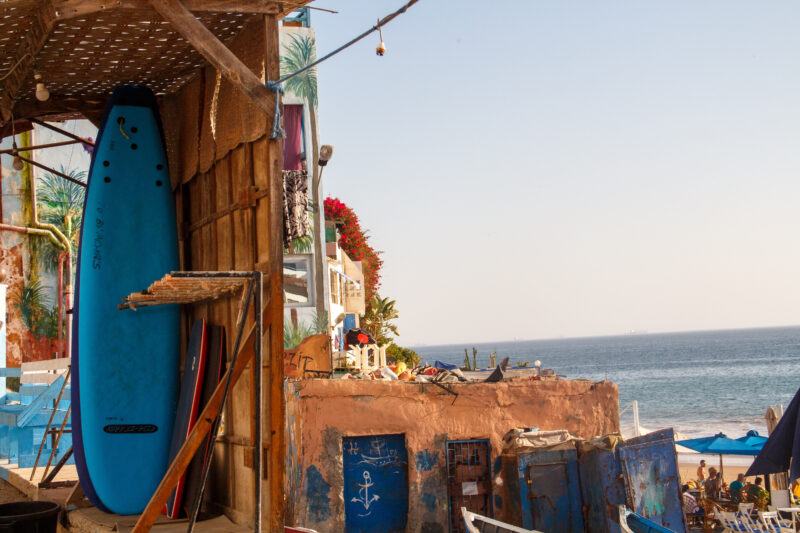
Beach breaks like Mehdia are safe, but reefs around Rabat, Bouznika, and Casablanca can be shallow and heavy, often with rocks present near the break areas. Beginners should stick to sandy-bottom spots and be cautious of rocks to prevent injury or board damage. As always, follow lineup etiquette and respect locals. Theft can be an issue in busy urban beaches—keep belongings safe.
Surf and Yoga Retreats
Mehdia and Sidi Kaouki (further south) are better known for surf camps, but retreats are growing in northern Morocco too. Some camps around Casablanca and Mehdia offer surf-yoga packages, with prices around AU$800–1,500 per week including accommodation, lessons, and meals.
Accommodation Options for Surfers
- Mehdia: Surf camps AU$40–80 per night, budget hotels AU$30–60, mid-range AU$80–120
- Casablanca: City hotels AU$80–200, boutique stays AU$120–250
- Rabat: Guesthouses in the medina AU$50–100, modern hotels AU$100–180
- Tangier/Asilah: Budget hostels AU$30–50, boutique riads AU$80–150
Comparison to Other Surf Destinations
Northern Morocco is less polished and less hyped than Taghazout, but that makes it more authentic. The waves aren’t as world-famous as Anchor Point, but they’re consistent, fun, and often empty. While the north may not have the same fame, Morocco as a whole is renowned for its world class waves and extensive coastline, offering a variety of surf spots from Taghazout to Agadir and beyond. Compared to Portugal, it has warmer winters, fewer crowds, and a lower price tag. Among African countries, Morocco stands out for its unique blend of surf and culture, thanks to its location in North Africa and its vibrant cities. For surfers who want culture, city life, and surf rolled into one, northern Morocco is ideal.
Morocco’s geographical diversity also extends south to the disputed territory of Western Sahara, which remains a subject of ongoing political discussion and adds to the country’s complex regional identity.
Expenses
- Accommodation: AU$30–250 per night
- Food: AU$5–15 for local meals, AU$20–40 at restaurants
- Transport: Car hire AU$40–60/day, train AU$10–30 between cities
- Surf Costs: Rentals AU$15–25/day, lessons AU$40–70/session
- Retreats: AU$800–1,500 per week
Cultural Notes
Northern Morocco blends Arab, Berber, and French influences, contributing to Morocco’s rich culture shaped by diverse traditions and histories. Cities like Rabat and Casablanca are bustling, modern, and historic at once, while smaller towns like Asilah offer artistic, bohemian vibes, where local artisans showcase their craftwork in galleries and markets. Modesty is appreciated away from the beach, and French and Arabic are widely spoken. The surf culture here is young and energetic, with growing surf clubs and competitions.
Cell Coverage and Wi-Fi
Coverage is strong in cities and towns, with major cities having the most reliable coverage and 4G widely available. Wi-Fi is common in hotels, cafés, and surf camps, though speeds may vary.
Final Thoughts
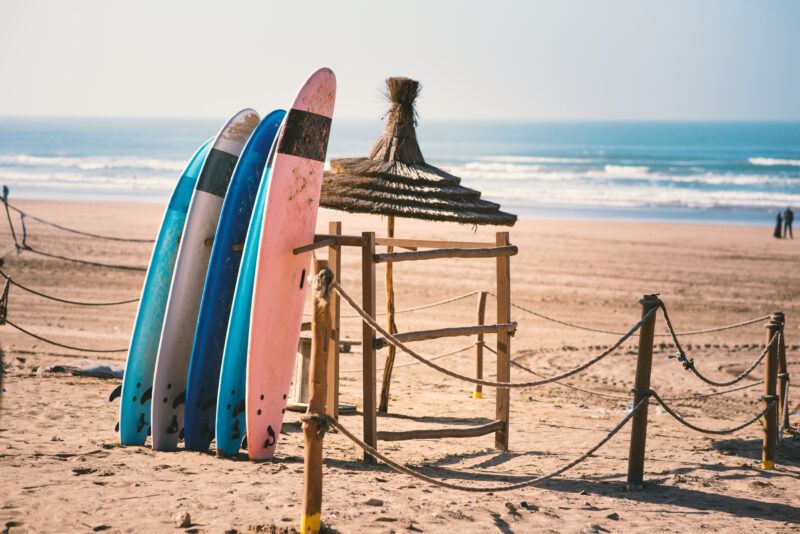
Northern Morocco is an underrated surf destination with plenty to offer. From the sandy peaks of Mehdia to the point breaks of Bouznika and the city vibes of Casablanca, this region balances surf with culture, history, and affordability. It’s not as famous as the south, but that’s what makes it special—fewer crowds, authentic lineups, and a stronger sense of discovery.
If you’re chasing Morocco’s heaviest barrels, head south. But if you want fun, consistent surf combined with cities, culture, and affordability, northern Morocco is the perfect surf trip.