
Surfing in French Polynesia
Surfing guide to French Polynesia, Pacific Ocean
French Polynesia has 3 main surf areas. There are 1 surf spots . Go explore!


Overview of surfing in French Polynesia
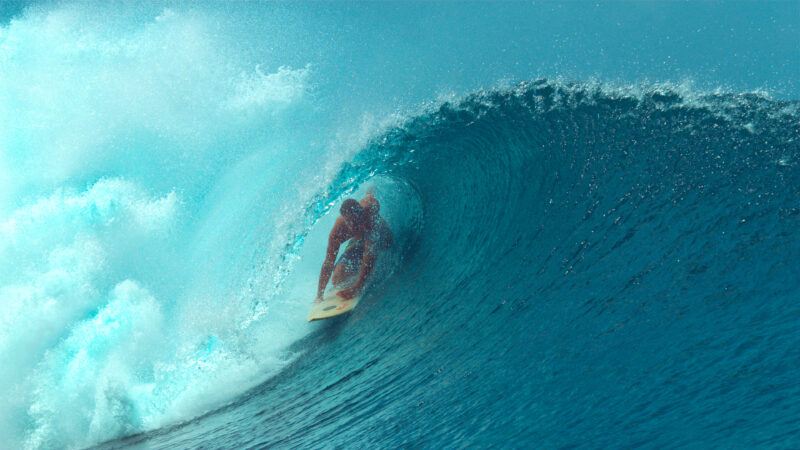
French Polynesia is a South Pacific paradise made up of 118 islands and atolls scattered across turquoise lagoons and coral reefs. While most travelers dream of Bora Bora overwater bungalows or Tahitian dance shows, surfers know this region for something else: some of the heaviest, most perfect reef breaks on the planet. Teahupoʻo — the name alone sends chills down surfers’ spines.
This isn’t just a place of heavy slabs, though. French Polynesia offers a wide spectrum of waves: mellow reef passes for longboarders, playful peaks for intermediates, and, of course, mutant barrels that only the best surfers dare to touch. The unique geography means waves break far from shore on reef passes that guard lagoons, creating long, mechanical lines over shallow coral.
Surfing here is an adventure. Many waves require boats to access, and conditions are heavily tide- and swell-dependent. But the payoff is immense: crystal-clear barrels, warm water, and the surreal beauty of Polynesia all around you. It’s a surf trip where culture, scenery, and raw ocean power collide.
Surf Regions in French Polynesia
All the islands of French Polynesia offer a remarkable diversity of surf regions, each with its own unique geography, wave types, and natural beauty. From volcanic islands with lush peaks to remote coral atolls, the archipelago is a paradise for surfers seeking variety and adventure.
Tahiti (Teahupoʻo, Papara, Taapuna, Papenoo)

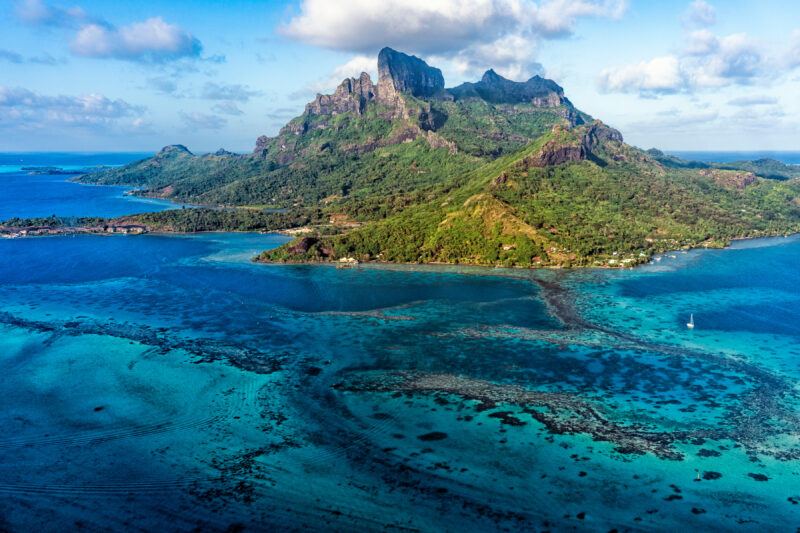
The heart of Polynesian surf culture, Tahiti is home to Teahupoʻo — the heaviest wave in the world — as well as a variety of accessible breaks. Papara and Papenoo offer sandy-bottom options, while Taapuna delivers powerful reefs closer to the capital, Papeete. Tahiti and its neighboring islands are classic examples of volcanic islands, with dramatic landscapes shaped by ancient eruptions.
Mo’orea
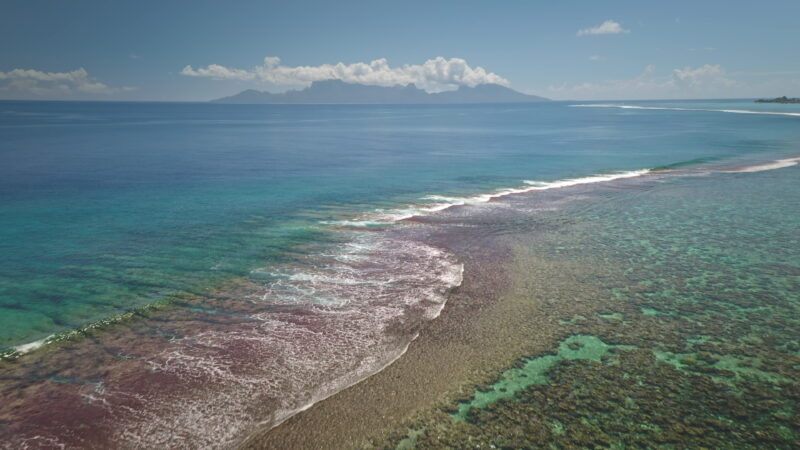
Just a short ferry from Tahiti, Mo’orea has a mix of playful reef passes and heavier waves. It’s less crowded than Tahiti and offers postcard scenery. Surf access is generally best from the main island, where most accommodations and transport options are located.
Tuamotu Atolls (Tikehau, Rangiroa, Fakarava)
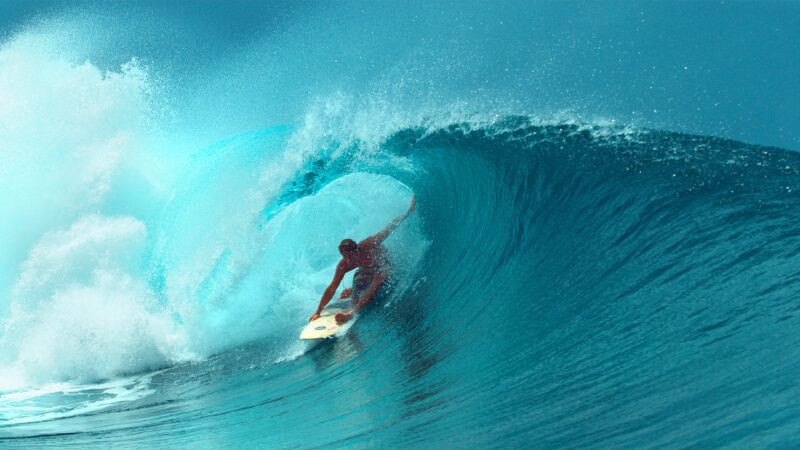
Remote and pristine, these atolls are ringed with reef passes that produce long, mechanical waves. The Tuamotu archipelago, also known as the Tuamotu Islands, is a vast group of low-lying coral atolls famous for their extensive lagoons and minimal agricultural potential. Getting there is half the adventure, but the reward is empty perfection. The surf environment here is defined by vibrant coral reef systems that create world-class waves and stunning underwater scenery.
Huahine

Known as the “wild island,” Huahine has exposed reef breaks with power and variety. It’s off the main tourist trail, making it perfect for adventurous surfers.
Bora Bora and Society Islands
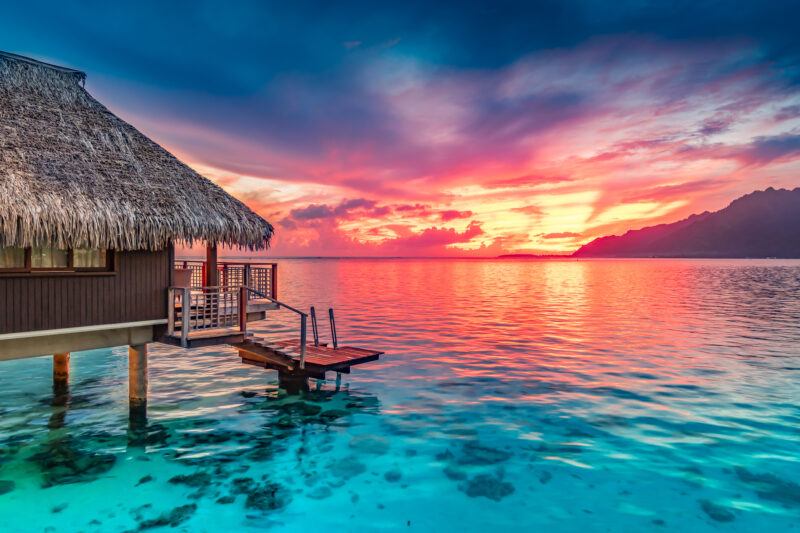
Bora Bora isn’t a surf hub, but the Society Islands have occasional reef passes that produce fun, less-crowded waves. These are more for novelty than consistency.
The Society Islands are divided into the Leeward Islands and Windward Islands, both groups featuring volcanic islands with lush vegetation and protective coral reefs. Beyond the Society group, French Polynesia also includes the Marquesas Islands, known for their rugged volcanic terrain and archaeological sites; the Gambier Islands, a remote cluster of high volcanic islands with Mangareva as the main island; and the Austral Islands, a southern group of volcanic islands with unique cultural and natural features.
The Good
- Teahupoʻo — the heaviest and most iconic barrel in the world, offering some of the best waves for experienced surfers
- French Polynesia is a true tropical paradise for surfers, with breathtaking scenery and a laid-back island vibe
- Crystal-clear water, including the famous crystal clear lagoon of Bora Bora, tropical backdrops, and empty reef passes
- Rich marine life can be experienced while surfing or snorkeling, with vibrant coral reefs and diverse sea creatures
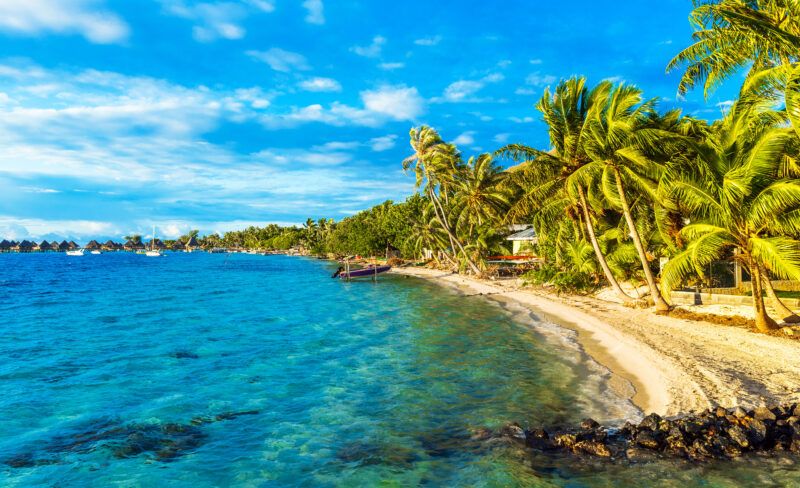
- Stunning white sand beaches are a key attraction, perfect for relaxing after a surf session
- Variety: mellow longboard waves to deadly slabs
- Strong Polynesian surf culture, especially on Tahiti
- The tropical climate provides warm temperatures and consistent sunlight, making it ideal for surfing year-round
- Year-round consistency from South Pacific swells
The Bad
- Many waves break over razor-sharp reef — dangerous for beginners
- Boat access required for most surf spots
- Travel and accommodation are expensive
- Strong currents and heavy waves demand fitness and skill
- Remote locations mean limited medical support

Getting there
International flights land at Faa’a International Airport on Tahiti. Flights from the west coast of the US, such as Los Angeles and San Francisco, are a common way to reach Tahiti. Air Tahiti Nui operates international flights to French Polynesia and is separate from Air Tahiti, which handles domestic routes. From there, ferries and domestic flights connect to other islands like Mo’orea, Huahine, and the Tuamotus. These domestic flights are also referred to as internal flights, providing essential connections for island hopping. Air Tahiti offers inter-island passes, which are essential if you plan to surf multiple regions. The main islands are connected by scenic coastal roads, making it easy to explore by car or local transport. French Polynesia covers a total land area of about 1,609 square miles (4,167 square kilometers), spread across more than 100 islands.
Most surf spots in French Polynesia require boat access, especially reef passes like Teahupoʻo and Taapuna. Surf camps and guides typically include boat trips in packages. Renting boats independently is possible but costly (AU$100–300 per day).
Crowds

French Polynesia is far less crowded than Indonesia or Hawaii. Teahupoʻo gets busy with locals and pros when it’s firing, but elsewhere, you’ll often share waves with just a handful of surfers. Remote atolls can be completely empty. Crowds are growing due to surf tourism, but given the remoteness, lineups still feel spacious.
Lineup Lowdown: Reef Breaks
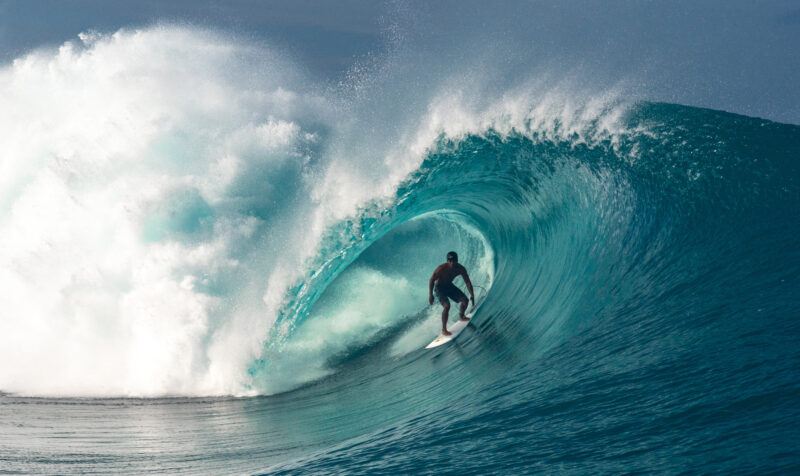
Local surfers in Tahiti are skilled, passionate, and protective of their waves — especially at Teahupoʻo. Respect is crucial. Don’t paddle straight to the peak, wait your turn, and show humility. In smaller, less-famous spots, the vibe is relaxed and welcoming, especially if you support local guides and businesses.
Surf seasons and when to go
The best time of the year to surf in French Polynesia
Surf Seasons and When to Go
The best surf season in French Polynesia is April to October, during the Southern Hemisphere winter when long-period swells from the South Pacific storm belt reach the islands. This is the prime time for surfing, especially on the south coast, which becomes a hotspot for powerful waves. The south side of Tahiti, particularly near Teahupoʻo, is renowned for its perfect barrels and has been surfed by world-class pros during events like the WSL Tahiti Pro.
The wet season, November to March, brings smaller swells but still fun waves, with consistently warm water temperature around 25°C and fewer crowds. It’s a good time for intermediates and learners to explore the mellower reef passes.
Water Temperatures and Weather
Water is a tropical 26–29°C year-round, meaning boardshorts and bikinis are all you need. Air temps average 28–32°C, with high humidity. The wet season brings tropical showers and cyclones, though these are rare in Tahiti. Dry season is sunny and warm with offshore trade winds.
Can’t-Miss Surf Spots
Teahupoʻo (Tahiti)
The heaviest wave on Earth. Teahupoʻo is a mutant left-hand slab breaking over razor-sharp reef. Known for its thick lip and death-defying barrels, it’s strictly for experts and pros. Even if you don’t surf it, watching from a boat in the channel is unforgettable.
Papara (Tahiti)
One of Tahiti’s few sandy-bottom breaks, Papara is perfect for beginners and longboarders. It offers fun lefts and rights, making it a great fallback when reefs are too heavy.
Taapuna (Tahiti)
A powerful reef break near Papeete, Taapuna produces long lefts with hollow sections. It’s a local favorite and requires boat access.
Papenoo (Tahiti)
An exposed beach break that catches any swell, Papenoo is consistent and fun, with peaks for all levels. It’s less intimidating than reef passes, making it popular for surf schools.
Haapiti (Mo’orea)
A world-class left-hander that peels over reef in turquoise water. Mechanical, rippable, and less crowded than Tahiti, Haapiti is a must-surf for intermediates and advanced surfers. The north coast of Mo’orea is also known for its scenic beauty and offers additional surf spots. Opunohu Bay, located nearby, is a particularly scenic and convenient location for visitors.
Rangiroa Atoll (Tuamotus)
This atoll is home to pristine reef passes that produce mechanical lefts and rights. Remote, uncrowded, and breathtakingly beautiful, it’s a surf adventure of a lifetime.
Huahine
Exposed to raw swells, Huahine offers powerful reef breaks with long rides, especially along the north coast. Less visited than Tahiti or Mo’orea, it’s a hidden gem for advanced surfers.
Bora Bora
While not as famous for surfing, Bora Bora’s highest point offers panoramic views of the island and lagoon, making it a must-visit for breathtaking scenery.
Fakarava (Tuamotus)
The north pass of Fakarava is known for its consistent waves and crystal-clear water, attracting adventurous surfers looking for something off the beaten path.

French Polynesia surf travel guide
Find trips that fit a flexible lifestyle
Learning to Surf in French Polynesia

Tahiti has several surf schools, especially at Papara and Papenoo. On the larger islands, such as Tahiti and Mo’orea, you’ll find more surf schools and English-speaking instructors, making it easier for visitors to learn. These sandy-bottom breaks are perfect for learners, while mellow reef passes on Mo’orea also suit beginners. Lessons cost AU$70–120 per session, with rentals at AU$30–40 per day. Beginners should avoid Teahupoʻo, Taapuna, and heavy reef passes entirely.
Safety and Etiquette
Reef is the biggest danger — shallow, sharp, and unforgiving. Booties, zinc, and a reef kit are essential. Currents can be strong in reef passes. Respect locals, never drop in at Teahupoʻo, and know your limits. Medical facilities exist on Tahiti, the most populated island, but are limited on remote islands.
Surf and Yoga Retreats
Tahiti and Mo’orea host surf-and-yoga retreats, blending daily surf sessions with yoga, Polynesian massage, and fresh island cuisine. Retreats cost AU$2,000–3,500 per week, with accommodation in beachfront bungalows or boutique lodges. Remote atoll retreats are pricier but offer true exclusivity.
Accommodation Options for Surfers
- Tahiti: Guesthouses AU$80–120, mid-range hotels AU$150–300, luxury resorts AU$500+
- Mo’orea: Beach lodges AU$100–200, boutique hotels AU$200–400, eco-resorts AU$400+
- Tuamotus: Guesthouses AU$80–150, surf charters AU$2,500–5,000 per trip
- Huahine: Family-run pensions AU$70–150, boutique stays AU$200–350
Comparison to Other Surf Destinations in the Society Islands

French Polynesia is raw and powerful, like Hawaii without the crowds. Located in the heart of the South Pacific Ocean, within the vast expanse of the Pacific Ocean, it offers world-class surf conditions that attract surfers from around the globe. Compared to Bali or the Mentawais, it’s more expensive and less accessible, but the waves are just as world-class. Teahupoʻo sits alongside Pipeline and Mavericks as one of the heaviest waves on Earth. For intermediates, spots like Papara or Haapiti rival the Maldives or Sri Lanka in quality and beauty.
Expenses
- Accommodation: AU$80–500+ per night depending on island
- Food: AU$15–25 for local meals, AU$40–80 for restaurants
- Transport: Ferries AU$20–40, domestic flights AU$200–400, boat rentals AU$100–300/day
- Surf Costs: Rentals AU$30–40/day, lessons AU$70–120/session
- Retreats: AU$2,000–3,500 per week
Cultural Notes
Polynesian culture is warm, welcoming, and deeply tied to the ocean. Respect for local communities, traditions, and the environment is essential. French is the official language of French Polynesia, and Tahitian, French, and Polynesian languages are widely spoken, though English is less common outside resorts. French Polynesia is an overseas collectivity and overseas country of France, officially part of the French Republic, which shapes its cultural and political identity. The high commissioner, appointed by the French government, represents the French state and oversees the administration of the region. Music, dance, and food are integral parts of the experience.
Cell Coverage and Wi-Fi
Coverage is strong on Tahiti and Mo’orea, weaker on remote islands. Wi-Fi is available in most hotels and camps, though speeds are basic. Remote atolls may have no coverage at all — expect to disconnect.
Final Thoughts

French Polynesia is a surf trip like no other. From the death-defying barrels of Teahupoʻo to the mechanical perfection of Haapiti and the endless reef passes of Rangiroa, the waves are world-class. Add in warm water, stunning scenery, and rich culture, and it’s a destination that feels both adventurous and spiritual.
It’s not the cheapest or easiest surf trip — but for those willing to make the journey, French Polynesia delivers unforgettable waves and one of the most beautiful backdrops on Earth.