
Surfing in Sri Lanka
Surfing guide to Sri Lanka, Indian Ocean
Sri Lanka has 2 main surf areas. There are 1 surf spots and 2 surf holidays. Go explore!


Overview of surfing in Sri Lanka
Overview of surfing in Sri Lanka

Sri Lanka is one of the most dreamy, warm-water, coconut-sipping surf destinations on the planet — a tropical island packed with friendly locals, gentle reef breaks, playful point breaks, warm turquoise water, palm-lined coves, and some of the most beginner- and intermediate-friendly waves in the entire Indian Ocean. It’s Bali’s calmer, softer, more peaceful cousin, blending rich culture, wildlife, spicy curries, and mellow, cruisy surf conditions.
Sri Lanka is home to both Sinhala and Tamil cultures, reflecting a diverse heritage shaped by centuries of history. Known as Ceylon during the colonial era, Sri Lanka’s history is marked by a blend of influences that continue to shape the country’s unique identity.
The island has two main surf coasts that work in opposite seasons:
- The South/West Coast (Hikkaduwa, Weligama, Mirissa, Ahangama) fires from November to April
- The East Coast (Arugam Bay + surrounding points) lights up from May to October
This gives Sri Lanka one of the longest “combined” surf seasons in the world.
Surfing here is all about long right-hand points, easy takeoffs, forgiving reefs, fun-sized walls, and warm, crystal-clear water you could swim in forever. It’s perfect for learners, progressing intermediates, longboarders, and anyone who loves easy, feel-good surf. Advanced surfers also score, especially during big monsoon pulses, but Sri Lanka’s vibe is more “fun peeling wall” than “death slab barrel.”
The culture? Pure kindness. Smiling locals, tuk tuk surf taxis, sunset coconuts, beach cafés, curry buffets, and yoga everywhere. It’s affordable, relaxed, and perfect for long stays.
Surf Regions in Sri Lanka’s Northern and Eastern Provinces
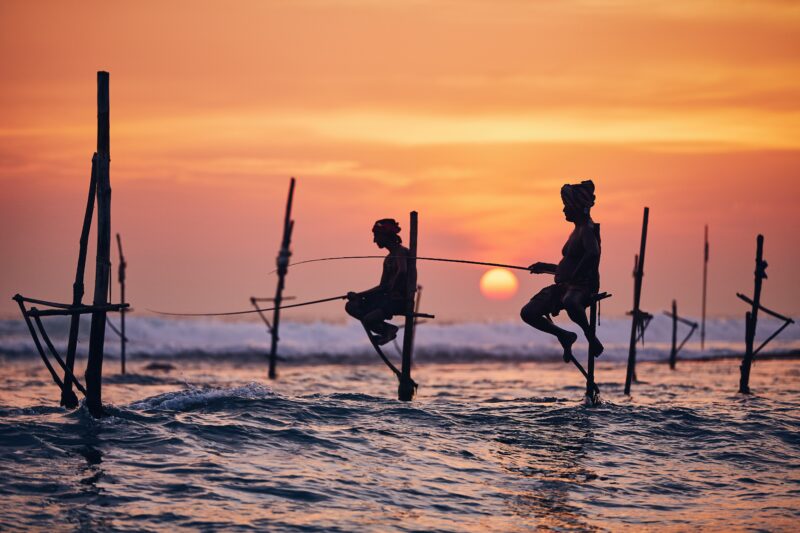
South Coast (Weligama, Midigama, Ahangama, Mirissa)
Warm water, gentle point breaks, fun reef waves, and beginner-friendly beaches. The most popular surf area.
West Coast (Hikkaduwa, Galle, Unawatuna)
Classic reef breaks, fun rights and lefts, mellow vibes, and iconic old surf towns.
East Coast (Arugam Bay Region)
Long right-hand point breaks, warm offshore mornings, and one of the world’s most famous beginner-to-intermediate points.
Matara to Tangalle
Hidden bays, quieter beaches, and secret reef setups that break best during the right monsoon windows.
Jaffna Peninsula
Rare, unexplored surf potential with desert-like calm and almost zero crowds.
The Northern Province and northern Sri Lanka feature unique geography and largely unexplored coastal areas, offering new opportunities for adventurous surfers. The Eastern Provinces and Southern Province each have distinct coastal areas that contribute to Sri Lanka’s diverse and vibrant surf scene.

Getting there
The Good
- Warm water year-round
- Long, forgiving point breaks
- One of the world’s best beginner/intermediate regions
- Cheap food, accommodation, and transport
- Long combined surf seasons
- Friendly locals and chilled surf culture
- Amazing wildlife + cultural experiences
- Easy access for long stays and solo travelers
- In recent years, Sri Lanka has made it easier for travellers by offering free tourist visas to promote tourism.
The Bad
- Not a heavy advanced-surf destination
- Crowds during peak seasons
- Reef can be shallow at low tide
- Monsoon winds can be strong
- Some surf taxis overcharge tourists
- Infrastructure outside main towns can be poor, with limited facilities and rough road conditions
- Unexpected issues can happen, such as sudden weather changes or transport delays
Getting There: Access via International Airport

Fly into Colombo’s Bandaranaike International Airport (CMB), the main international airport in Sri Lanka. From there: South/West Coast: 2–3 hours by taxi, bus, or train
Arugam Bay (East Coast): 7–9 hours by taxi or bus
Transport is easy and cheap:
Tuk tuks
Scooter rentals (riding scooters is a popular way to get around)
A/C taxis
Buses
Trains (beautiful + cheap)
Most surf towns are extremely accessible.
Before you arrive, check with your bank to ensure your cards will work in Sri Lanka.
Crowds

Weligama: very busy
Ahangama/Midigama: moderate
Mirissa: busy at peak times
Hikkaduwa: moderate
Arugam Bay: crowded during peak season but spreads out across points
Secret reefs: usually quiet
Early mornings = best.
Sunrise surfs are basically religion.
Lineup Lowdown

Sri Lanka has one of the chillest surf communities on Earth. Still, keep it classy:
- No dropping in (common here, but don’t add to it)
- Respect locals — they’re kind and gentle
- Rotate waves at points
- Avoid crowding learners
- Smile, always — the local vibe is pure sunshine
- Surf with friends whenever possible for added safety and fun
- If the lineup gets too crowded or uncomfortable, move to a safe place on the beach or in the water
Sri Lanka thrives on respect and friendliness.
Surf seasons and when to go
The best time of the year to surf in Sri Lanka
Surf Seasons and When to Go
South/West Coast (Nov–Apr)Dry season, offshore mornings, warm water, clean surf. Peaks in Dec–Feb.
East Coast (May–Oct)Arugam Bay winds go offshore, points light up, warm and consistent. Peaks in June–August.
Shoulder SeasonsBest for avoiding crowds and scoring playful, smaller surf. Weather events, such as sudden storms or monsoon events, can affect surf conditions during these times. In some years, March marks the transition between surf seasons and can feature notable surf events.
Water Temperatures and Weather
Water temp: 26–29°C year-round
No wetsuit needed — ever.
Weather:
Dry season: hot and sunny
Monsoon: humid + afternoon storms but still surfable
The northeast region of Sri Lanka experiences different rainfall patterns during the monsoon season, with less rainfall compared to other areas due to the influence of monsoon winds.
Bring zinc or get roasted.
Can’t-Miss Surf Spots
Weligama Bay (South Coast)
One of the world’s best beginner beaches. Soft, rolling waves, sandy bottom, surf schools everywhere, gentle takeoffs, and perfect longboard lines. Amazing place to learn, practice, and progress.
Ahangama – Kabalana “The Rock”
A super consistent A-frame peak that can get punchy and powerful on big swells. Works for intermediates on smaller days, but can turn into a fast, rippable wave for advanced surfers. One of the South Coast’s most fun setups.
Midigama – Lazy Left & Lazy Right
Two iconic, cruisy reef breaks with long walls perfect for practicing turns and style. Soft takeoffs, mellow energy, and ideal for longboarders and progression surfers.
Mirissa Reef
A scenic right-hand reef just outside the iconic blue-water bay. Fast, fun sections with playful walls. Intermediates thrive here, especially on mid-tide.
Hikkaduwa Main Reef (West Coast)
A classic Sri Lankan right-hand reef that’s been surfed for decades. Punchy but accessible, with fun walls and beautiful water. Surf shops, cafés, and chill vibes everywhere. Hikkaduwa is easily reached from Colombo, the largest city and administrative capital of Sri Lanka, making it a convenient gateway to the island’s surf regions.
Benny’s (Hikkaduwa)
A more powerful reef break with faster takeoffs and steeper walls. Perfect for more confident intermediates and advanced surfers.
Arugam Bay Main Point (East Coast)
A world-famous right-hand point perfect for beginners and intermediates on small days, and absolutely dreamy for advanced surfers when bigger. Long rides, easy takeoffs, warm water, and a super friendly lineup. One of the easiest “long rides” in the world.
Whiskey Point (East Coast)
A playful, fun right-hand point perfect for learners and intermediates. Soft walls, super consistent, and stunning sunrise surfs. Dreamy longboard setup.
Peanut Farm (East Coast)
A right-hand point tucked inside a sheltered bay. Multiple peaks, playful walls, fun wrap-around sections, and beginner zones mixed with intermediate-friendly takeoffs.
Elephant Rock (East Coast)
Picturesque, mellow right-hand wave that’s perfect for cruisy morning sessions and longboarders.
Okanda (East Coast)
A more powerful right-hand point south of Arugam Bay. Advanced surfers love it for the speed and longer walls. Quiet and less crowded.

Sri Lanka surf travel guide
Find trips that fit a flexible lifestyle
Learning to Surf in Sri Lanka
Best beginner beaches:
- Weligama
- Whiskey Point
- Peanut Farm
- Elephant Rock
- Hikkaduwa on small days
Lessons: AU$20–40 Rentals: AU$5–15/day
Wave quality + soft takeoffs = dream conditions for learning.
To make the most of your time in Sri Lanka, it’s important to have a plan for your lessons and surf progression.
Safety and Etiquette
- Reef is sharp at low tide
- Sea urchins are common
- Rips can appear around points
- Crowds can be chaotic
- Monsoon winds pick up in afternoons
- Watch for turtles + marine life
- Scooters + surfboards require care on roads
Surf early, surf smart, and you’ll be golden.
Surf and Yoga Retreats
Found everywhere, especially in:
- Weligama
- Ahangama
- Midigama
- Hiriketiya
- Arugam Bay
Retreats offer surf coaching, yoga, meditation, healthy meals, and tropical villa stays.
Prices: AU$700–2,500/week.
Accommodation Options for Surfers
Hostels: AU$10–20
Guesthouses: AU$20–40
Boutique hotels: AU$50–120
Beach villas: AU$80–200
High-end eco stays: AU$150–400
Sri Lanka is budget-friendly, and beachfront stays are super accessible.
Comparison to Other Surf Destinations
Sri Lanka vs Bali:
- Softer, more mellow
- Less crowded
- More beginner-friendly
- Less nightlife
Sri Lanka vs Maldives:
- Cheaper
- More variety for beginners
- Less perfect but more accessible
Sri Lanka vs India:
- Better infrastructure
- Clearer seasons
- Easier to travel
Sri Lanka is basically the “warm hug” of the Indian Ocean surf world.
Expenses (AUD)
Accommodation: AU$10–200
Meals: AU$2–10
Board rental: AU$5–15/day
Lessons: AU$20–40
Tuk tuk: AU$2–5 per ride
Scooter: AU$8–15/day
It’s one of the best-value surf destinations anywhere.
Cultural Notes: Impact of Civil War
Sri Lanka is gentle, kind, welcoming, and proud.
Expect:
- Big smiles
- Gorgeous hospitality
- Amazing curries
- Stunning temples
- Monkeys + wildlife
- Slow, peaceful energy
Respect the culture, dress respectfully inland, and be mindful of sacred spaces.
Cell Coverage & Wi-Fi
Great coverage almost everywhere
SIM cards cheap + fast
Wi-Fi strong in surf hotels + cafés
East Coast can be patchy in remote bays
Final Thoughts
Sri Lanka is a warm-water surf paradise — a place of long right-hand points, palm trees, golden bays, friendly locals, delicious food, wildlife encounters, affordable living, and surf conditions perfect for progressing your skills or simply living your best tropical life.
Whether you’re catching your first wave in Weligama, trimming long lines at Lazy Left, cruising Arugam Bay’s dreamy walls, or exploring hidden reefs along the South Coast, Sri Lanka delivers that “slow, sunny, soulful surf trip” vibe that stays with you forever.
It’s not the gnarliest surf destination — and that’s the best part. It’s about joy, flow, warmth, and connection. A forever-fave for longboarders, beginners, and intermediate surfers who want sunshine, kindness, and long, dreamy rides.