
Surfing in Guanacaste
Surfing guide to Guanacaste, Costa Rica, Central America (South), Central America
Guanacaste has 25 surf spots . Go explore!
Overview of surfing in Guanacaste
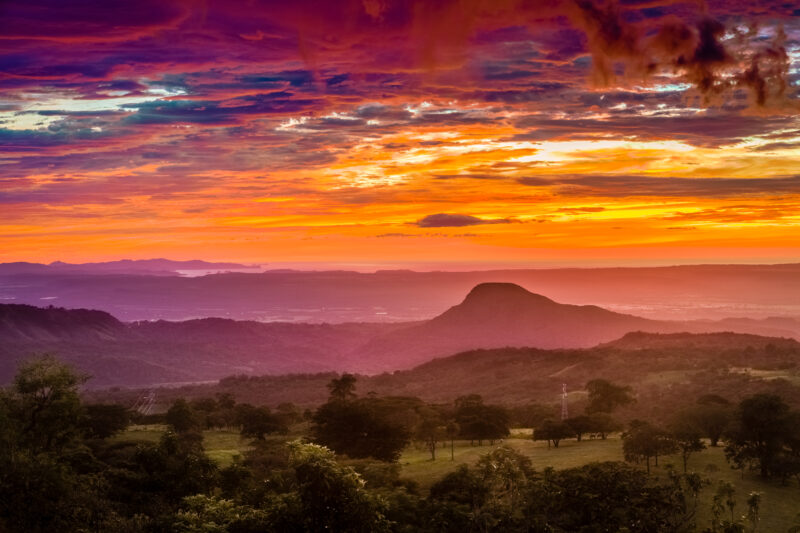
Guanacaste is Costa Rica’s dry, golden, wave-rich northwest province — a sun-kissed region lined with warm Pacific water, long sandy beaches, reef points, perfect beginner coves, hollow low-tide barrels, and some of the most famous surf towns in Central America along the Pacific Coast and the extensive coast line of the Guanacaste region. It’s home to Playa Grande, Tamarindo/Nosara, Playa Guiones, Witch’s Rock, Ollie’s Point, and dozens more dream waves. The Guanacaste Province is renowned for its beautiful beaches and natural beauty, making it a top destination for those seeking pristine coastal experiences.
This coastline catches consistent year-round swell from the North Pacific, with the dry season (November–April) delivering offshore winds almost daily thanks to the Papagayo winds funneling offshore from Lake Nicaragua. That means glassy mornings, clean faces, golden light, easy paddle-outs, and some of the most reliable surf conditions in the Americas.
Guanacaste has everything: beginner beaches, longboard waves, fun A-frames, mechanical reef breaks, powerful rights, consistent lefts, world-famous barrels, point brakes you can boat to, eco-retreats, surf schools everywhere, and enough hidden beaches to keep you exploring for months. The landscape is dotted with coconut palms and features unique tropical dry forests, adding to the region’s diverse scenery.
It’s safe, friendly, warm, gorgeous, and full of pura vida energy. Whether you’re a beginner catching your first green wave or an expert hunting long, reeling barrels, Guanacaste is one of the easiest, most rewarding surf regions in the world.
Surf Regions in Guanacaste, Costa Rica
Tamarindo & Playa Grande Zone
Beginner-friendly bays, punchy beach breaks, surf schools, long rights and lefts, and perfect progression waves.
Avellanas, Negra & Lagartillo Coastline
Rippable reefs, playful walls, mechanical rights, river mouths, and world-class performance waves.
Nosara & Guiones RegionLongboarding heaven with consistent head-high surf, white sand, chill energy, and some of Costa Rica’s most iconic surf culture. This area is especially appealing to nature lovers, with opportunities to spot tropical birds in the surrounding forests and estuaries.
Santa Teresa & Nicoya Peninsula (Southern Edge of Guanacaste Influence)
Open beaches, consistent swell, fast peaks, and stylish surf vibes surrounded by jungle.
Papagayo Peninsula
Boat-access-only waves including Witch’s Rock and Ollie’s Point – legendary, powerful, and bucket-list material. The area is also known for its luxury resorts and all inclusive resorts, offering travelers comfort and convenience near the surf.
Samara/Samara & Carillo (Southern Guanacaste)
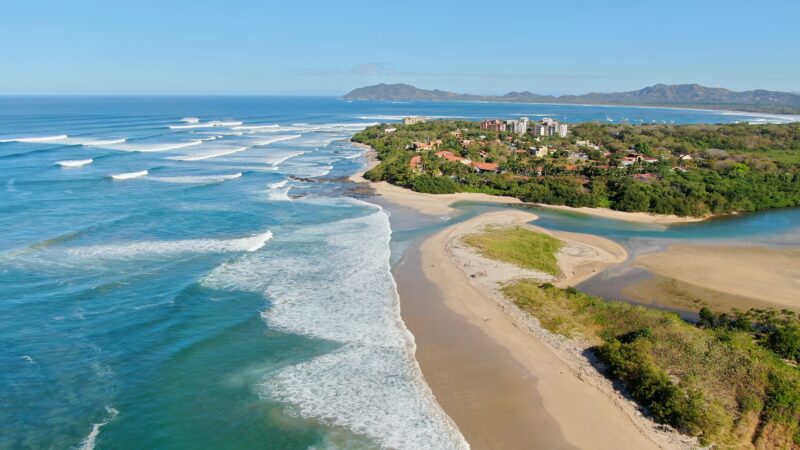
Guanacaste is also home to many vibrant beach towns like Playas del Coco, which are popular with surfers and travelers seeking seaside relaxation and activities.

Getting there
The Good
- Offshore winds for months
- Warm water year-round, thanks to the region’s warm climate
- Waves for every level
- Countless surf towns
- Safe + easy to travel
- Amazing food and culture
- Endless coastline to explore
- Abundant national parks and protected coastal ecosystems support rich wildlife and natural beauty
- Beginner → expert options all in one region
The Bad
- Dry season crowds
- Popular spots get busy
- Road conditions can be rough
- Boat trips can be pricey
- Reef cuts + stingrays in certain zones
- High tourist prices in Tamarindo
Getting There
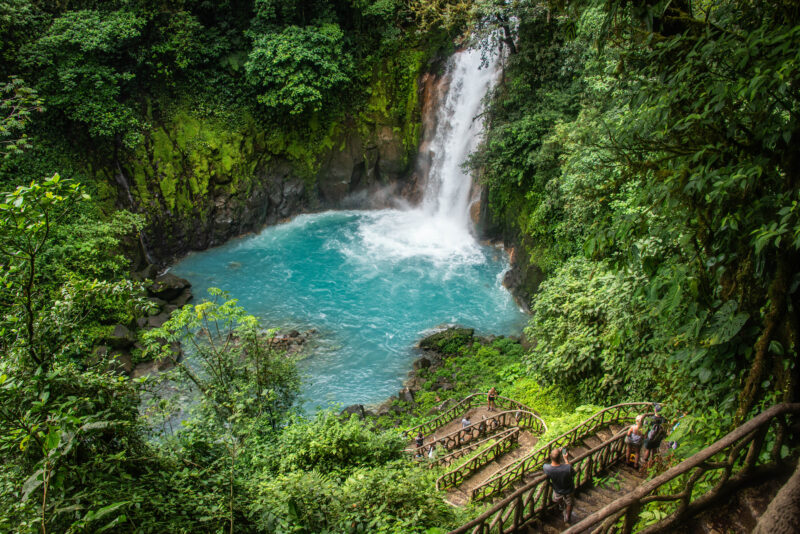
Fly into Liberia International Airport (LIR) (Daniel Oduber International Airport), located in the capital city of Guanacaste.
From Liberia: Tamarindo: 1 hour
Nosara: 2–3 hours
Avellanas/Negra: 1.5 hours
Santa Teresa: 4–5 hours
Papagayo launches: 30–60 mins
Santa Cruz is another important town in the region, serving as a hub for travelers heading to various beaches.
Car rentals are common, but roads get sketch in rainy season.
Scooters and quads are popular around surf towns.
Crowds
Tamarindo: heavy, but spreads out
Playa Grande: moderate
Avellanas: medium, friendly
Negra: advanced surfers + moderate crowds
Nosara/Guiones: heavy but chill
Santa Teresa: moderate but fun
Papagayo boat waves: limited crowds
Shoulder seasons are significantly quieter.
Lineup Lowdown
Costa Rica surf etiquette is friendly and pura vida — but still:
- Don’t drop in
- Don’t snake
- Smile at locals
- Respect surf-school zones
- Rotate waves at points
- Be patient with beginners – they’re everywhere
The vibe here is ultra welcoming if you keep things cool.
Surf seasons and when to go
The best time of the year to surf in Guanacaste
Surf Seasons, Rainy Season, and When to Go

Dry Season (Nov–Apr):Offshore winds, clean waves, peak conditions, consistent swell. Best overall season.
Rainy Season (May–Oct):Bigger swell window, heavier surf, greener landscapes, fewer crowds, afternoon storms.
Peak Surf Windows:March–August (for both quality + size)
The best time to visit Guanacaste depends on your preferences for weather, crowds, and surf conditions. Visiting Guanacaste offers different experiences throughout the year, whether you want sunny days and consistent waves in the dry season or lush scenery and bigger swells in the rainy season.
Water Temperatures and Weather
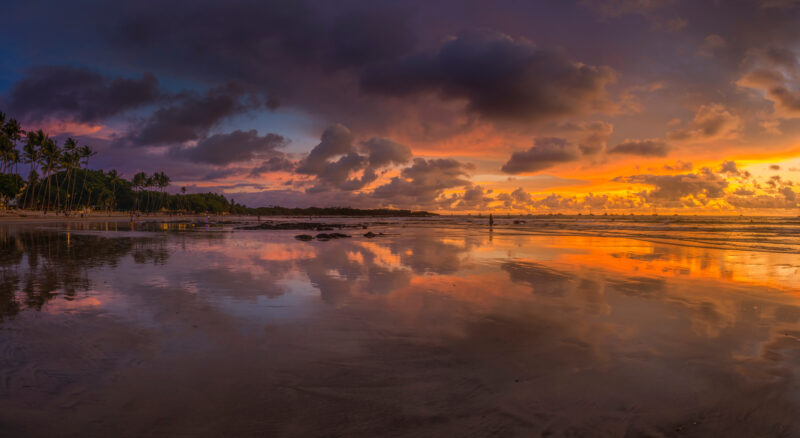
Water temp: 26–29°C
No wetsuit needed — ever.
Weather:
Dry season: sunny, dusty, warm, with prevalent dry forest and dry tropical forest landscapes
Rainy season: humid, lush, stormy evenings
Wear sunscreen or get brutally roasted.
Can’t-Miss Surf Spots: Playa Tamarindo
Playa Grande
A consistent, punchy beach break that lights up with clean rights and lefts. Perfect for intermediates on small days and surprisingly hollow at low tide on bigger swells. Long sandy beach with space to spread out, making it ideal for progression.
Playa Conchal (also known as Conchal Beach) is a stunning white sand beach famous for its unique crushed seashell shoreline and proximity to luxury resorts like the Riu Palace. This beach great is perfect for swimming, relaxing, and enjoying the tranquil scenery.
Costa Rica’s most famous beginner/intermediate surf town. Soft waves, super long rides on the right swell, forgiving takeoffs, and a lively surf community. Perfect for lessons, longboarding, and fun cruisy sessions. Playa Tamarindo is the main beach, and Tamarindo Diria is a popular beachfront resort.
Avellanas
One of Guanacaste’s dream spots — long lefts, rippable walls, sand-bottom sections, and a perfect mix of mellow + high-performance energy. Nicknamed “Little Hawaii” for a reason. Good for every level depending on swell size.
Playa Hermosa
A tranquil beach known for its calm atmosphere and suitability for families. Playa Hermosa offers excellent opportunities for scuba diving, snorkeling, and sport fishing, making it a favorite for visitors seeking aquatic adventures.
Playa Panama is a quieter alternative nearby, ideal for relaxation and water activities.
Playa Negra
A world-class right-hand reef with mechanical, fast, powerful walls. Sharp reef, steep takeoff, and insane carve sections. Advanced surfers love it — one of Costa Rica’s most famous waves.
Lagartillo
A quieter alternative to Avellanas with playful peaks and cleaner faces. Super fun on mid-swell days and great for intermediate surfers.
Playa Marbella
A powerful, consistent beach break that produces hollow, fast barrels. More advanced energy, with rips and heavy lips on bigger swells. Very uncrowded compared to Tamarindo.
Witch’s Rock (Roca Bruja)
One of the MOST iconic waves in Central America. Accessible only by boat, Witch’s Rock is a giant A-frame beach break with long walls, hollow barrels, and insane power. Perfect for advanced surfers — a true bucket-list wave.
Ollie’s Point
A long, incredibly fast right-hand point break accessible by boat. One of Costa Rica’s most perfect waves when it turns on. Long rides, rippable sections, and dream-level energy.
Nosara/Nosara – Playa Guiones
One of the most consistent surf beaches on Earth. Gentle takeoff zones, perfect longboard waves, punchy shoulder-high peaks at low tide, and surfable almost every day of the year. A full-on longboard paradise.
Nosara – Playa Pelada
A scenic reef + beach combo that produces fun walls on the right tide. Quieter than Guiones and great for intermediates.
Samara/” title=”Samara” data-wpil-keyword-link=”linked” data-wpil-replace=””>Samara/” title=”Samara” data-wpil-keyword-link=”linked” data-wpil-replace=””>Samara/” title=”Samara” data-wpil-keyword-link=”linked” data-wpil-replace=””>Samara/” title=”Samara” data-wpil-keyword-link=”linked” data-wpil-replace=””>Samara/” title=”Samara” data-wpil-keyword-link=”linked” data-wpil-replace=””>Samara/” title=”Samara” data-wpil-keyword-link=”linked” data-wpil-replace=””>Samara/” title=”Samara” data-wpil-keyword-link=”linked” data-wpil-replace=””>Samara/” title=”Samara” data-wpil-keyword-link=”linked” data-wpil-replace=””>Samara/” title=”Samara” data-wpil-keyword-link=”linked” data-wpil-replace=””>Samara/” title=”Samara” data-wpil-keyword-link=”linked” data-wpil-monitor-id=”3005″>Samara
Calm, sheltered bay perfect for total beginners. Soft waves, warm water, easy paddles, and a super friendly vibe. Catamaran tours are a popular activity in the area.
Carillo
A more consistent and slightly punchier version of Samara. Excellent longboard conditions and fun reform sections.

Guanacaste surf travel guide
Find trips that fit a flexible lifestyle
Learning to Surf in Guanacaste
Best beginner beaches:
Lessons: AU$20–40
Board hire: AU$10–25/day
Warm water + slow waves = perfect progression conditions.
Safety and Etiquette
- Rips at Playa Grande + Marbella
- Stingrays in shallow sandy zones
- Reef at Negra + Avellanas = sharp
- Boat waves require respect
- Rainy-season storm surf can get intense
- Don’t leave valuables in cars
- Avoid surfing alone in remote spots
Costa Rica is safe, but nature is nature.
Surf and Yoga Retreats
Huge retreat scene in:
- Nosara
- Tamarindo
- Playa Grande
- Santa Teresa
- Avellanas
Retreats offer:
- Surf coaching
- Yoga + meditation
- Jungle hikes
- Healthy meals
- Luxury + eco stays
Prices: AU$800–2,800 per week.
Accommodation Options for Surfers
Tamarindo: AU–250/night
Nosara: AU–300/night
Avellanas: AU$40–180/night
Negra: AU$30–100/night
Santa Teresa: AU$50–250/night
Samara: AU–120/night
There’s a massive range: hostels, eco-lodges, surf camps, villas. Many of these accommodations are located in charming small town settings, offering a relaxed and local experience.
Comparison to Other Surf Destinations
Guanacaste vs Southern Costa Rica:
- Drier, sunnier, more consistent offshore winds
- More beginner/intermediate variety
The South Pacific region, including destinations like Manuel Antonio and Puerto Viejo, is also popular for surf and nature, offering a different vibe and lush landscapes compared to Guanacaste.
Guanacaste vs Nicaragua:
- More infrastructure
- More surf towns
- More family-friendly
Arenal Volcano is another iconic Costa Rican attraction often included in travel itineraries alongside Guanacaste.
Guanacaste vs Mexico:
- Softer waves
- Better beginner zones
- Less heavy reef
Guanacaste is basically the most user-friendly surf region in the Americas.
Expenses (AUD)
Accommodation: AU$20–300
Food: AU$4–15
Board rental: AU$10–25/day
Lessons: AU$20–40
Car rental: AU$50–90/day
Boat trips (Witch’s/Ollie’s): AU$120–350
Affordable compared to Hawaii, California, or Europe.
Cultural Notes
Expect pura vida energy everywhere:
- People are warm and welcoming
- Slow surf-town lifestyle
- Fresh fruit, rice, beans, seafood
- Respect nature: monkeys, turtles, iguanas. Sea turtles are a vital part of Costa Rica’s biodiversity, with protected beaches in Guanacaste serving as important nesting sites and supporting Costa Rican conservation efforts.
- Respect locals in the lineup
- Learn basic Spanish – goes a long way
Costa Rica is built on kindness and simplicity. International tourists are drawn to Costa Rica’s unique culture and natural attractions, making the Costa Rican lifestyle and environment world-renowned.
Cell Coverage and Wi-Fi
Great coverage in major towns
Patchy on boat trips + remote beaches
Wi-Fi common in hotels + cafés
Nosara/Tamarindo have co-working hubs
Final Thoughts
Guanacaste is one of the best, warmest, most consistent, and most user-friendly surf regions on Earth. It delivers mellow longboard walls, high-performance reefs, mechanical right points, beginner bays, and world-class boat-access waves — all within a landscape of jungle, golden-sand beaches, wildlife, and pura vida chill. The region is also home to the Guanacaste volcanic mountain range and a renowned national park system that protects its unique natural beauty.
Whether you’re catching your first wave in Tamarindo, chasing barrels at Playa Negra, flowing at Guiones, or ticking Witch’s Rock off your bucket list, Guanacaste treats every surfer with warmth, beauty, and perfect ocean energy. Santa Rosa National Park, Santa Rosa, La Vieja National Park, de la vieja national, and Rincón de la Vieja are must-visit protected areas, celebrated for their scenic hiking trails, rejuvenating hot springs, and lush cloud forest environments.
It’s a place to grow, relax, explore, and fall in love with surfing all over again. Beyond the waves, you can encounter incredible wildlife, embark on adventure, soak in natural hot springs, and even enjoy a romantic getaway in the region’s breathtaking settings.
A tropical surf paradise you’ll come back to again and again.