Surfing in Thailand
Surfing guide to Thailand, South East Asia, Asia
Thailand has 2 main surf areas. There are . Go explore!


Overview of surfing in Thailand
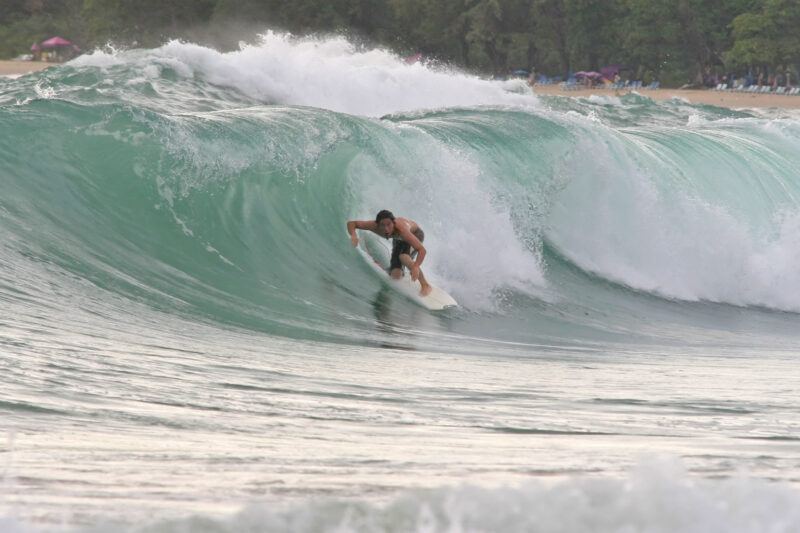
Thailand isn’t trying to be Bali or Hawaii—and that’s exactly its charm. Think warm water, beginner-friendly beach breaks, tropical scenery, and laid-back island time. From May to October the southwest monsoon lights up the Andaman coast (Phuket, Khao Lak, Phang Nga, Krabi, Koh Lanta), serving playful peaks perfect for longboarding and progression (this period is known as the monsoon season, when consistent swells and larger waves arrive, making it the best time for surfing on the west coast). On the Gulf of Thailand side (Koh Samui, Koh Phangan, Koh Tao, and the eastern seaboard), short-period wind swells pop up mainly November–January for novelty sessions when the northeasterlies blow.
Surfing here is about fun over fear: boardshorts all day, pad thai between surfs, tuk-tuks to the next bay, beach-bar sunsets, then repeat. Thailand stands out as a surf destination for those seeking a relaxed, affordable surf trip with uncrowded lineups and a welcoming vibe, rather than high-performance surfing. If you want heaving reef barrels, look elsewhere. Thailand does not offer world class waves like Bali, but its mellow surf is ideal for beginners and intermediates. If you want no-wetsuit vibes, easy learning, yoga, island-hopping, and Thai hospitality, Thailand hits.
Surf Regions in Thailand
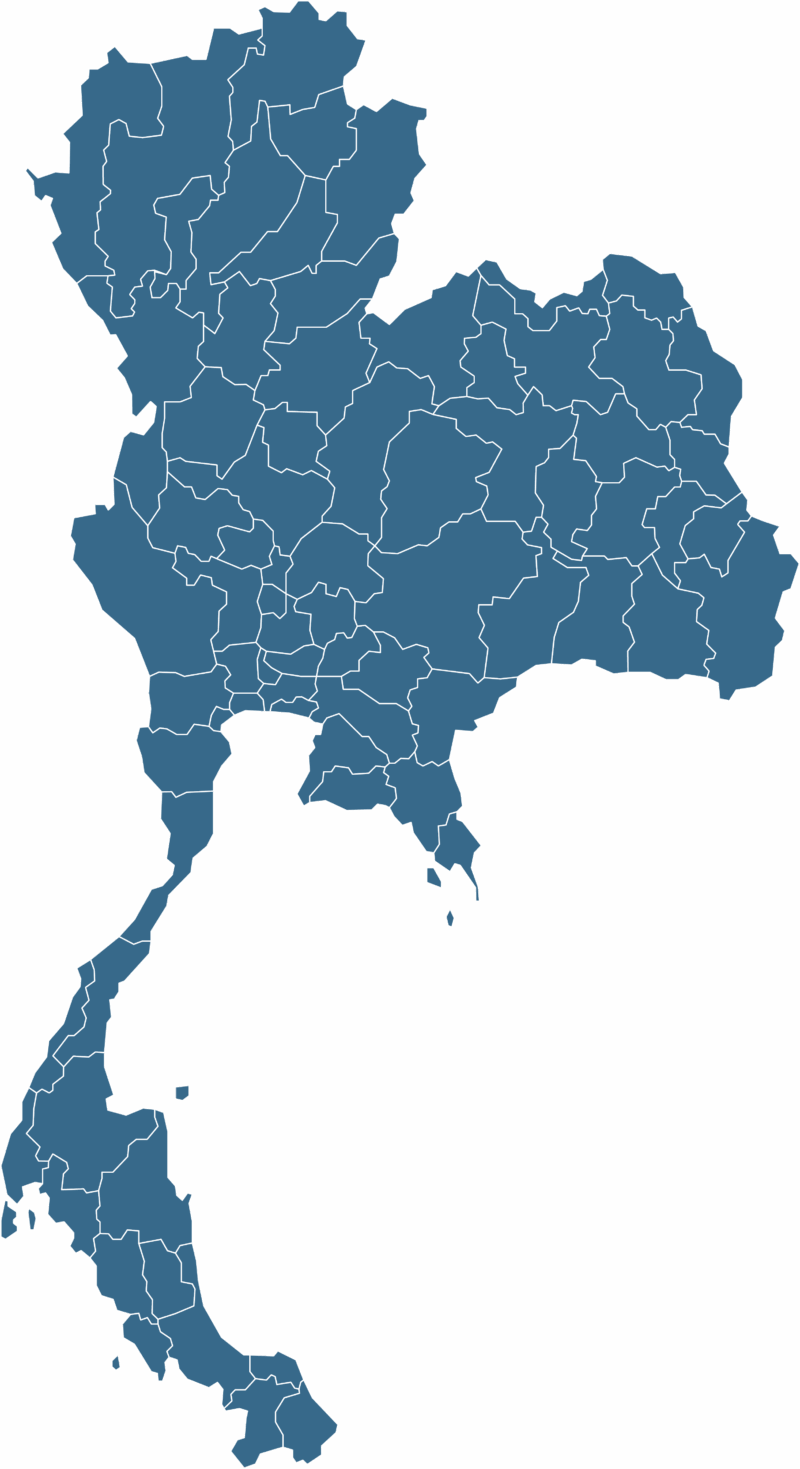
Andaman Coast (West Coast)
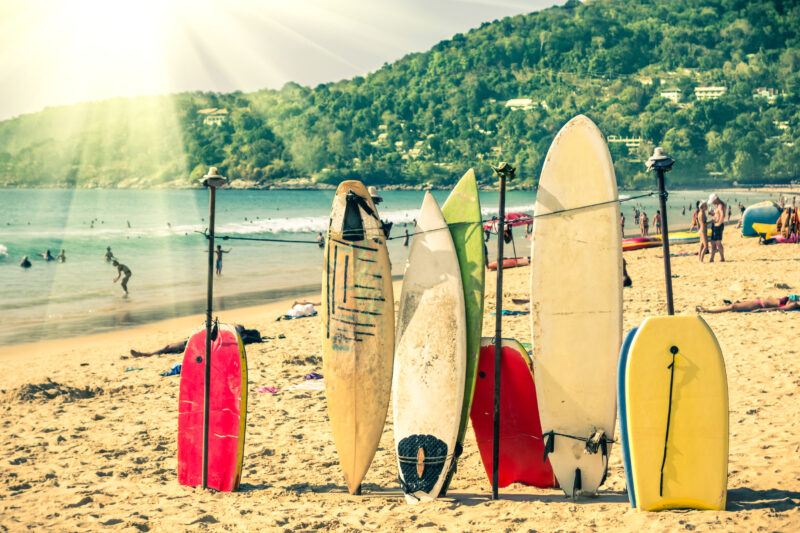
This is Thailand’s surf engine—open to Indian Ocean swell during the southwest monsoon, especially on the Andaman side. The region is known for its beautiful, white sand beaches and offers consistent surf during the monsoon season, with bigger waves during peak swells and rideable waves for all levels.
- Phuket – The country’s surf hub with multiple surf spots catering to all skill levels. Kata Beach is learner HQ; Kata Noi is cleaner and quieter; Kamala Beach is super mellow with gentle surf conditions; Nai Harn Beach is known as a quieter, less crowded surf spot with decent waves and a local atmosphere; Kalim Beach features powerful reef breaks for advanced surfers and hosts events like the Kalik Surf Contest; Surin Beach offers picturesque beaches, challenging waves, and large rocks in the middle of the beach that affect surfing, especially at low tide. Board rentals, schools, and shops are concentrated here.
- Bang Tao Beach – A long stretch with consistent wave conditions, suitable for both beginners and intermediate surfers, and plenty of surf lessons available.
- Pansea Beach – A small, secluded spot with fast, reef-breaking waves favored by professional surfers.
- Khao Lak (Phang Nga) – Long, sandy beaches like Pakarang/Memory Beach get fun, cruisy waves with fewer crowds than Phuket. Pakarang Beach is known for its soft beach break, making it ideal for beginners. Great for longboards and surf camps.
- Phang Nga Mainland – Natai Beach can deliver groomed A-frames on the right sand and swell; less crowd, more space.
- Krabi – Scenic bays (Ao Nang/Railay) are more about rock climbing and islands, but wind-swelly days can be playful.
- Koh Lanta – When the monsoon lines up, beaches like Klong Dao Beach and Long Beach (Phra Ae) get consistent, medium-sized, rideable waves ideal for beginner and intermediate surfers, as well as lessons and logs.
- Ranong Province / Koh Phayam – Aow Yai (Long Bay) gets glassy lines on certain pulses; proper hidden-gem energy with chilled guesthouses.
Advanced spots in the region, such as Kalim Beach and Pansea Beach, feature challenging reef breaks that attract experienced surfers seeking powerful waves.
Gulf of Thailand (East Coast)
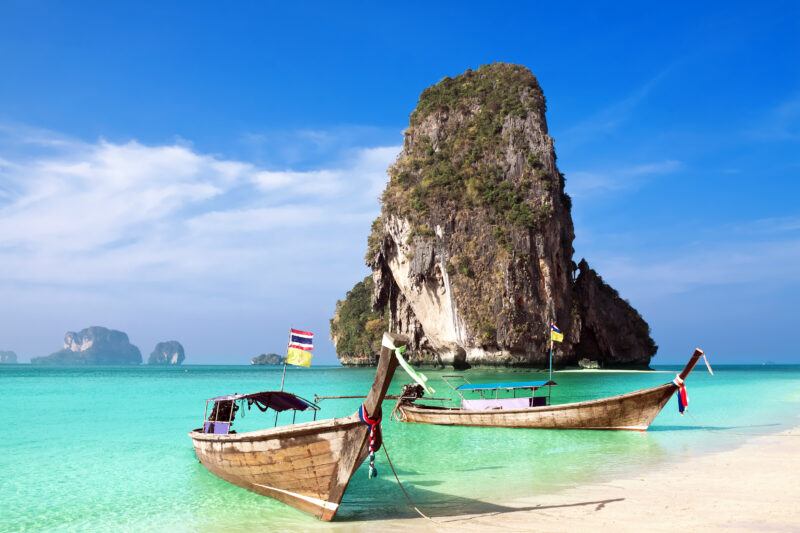
More seasonal/novelty and dependent on winter monsoon winds (the northeast monsoon influences surf conditions in the Gulf of Thailand, especially from November to January, and shapes the surf season along the southeast coast).
- Koh Samui / Koh Phangan / Koh Tao – Short-period wind swell Nov–Jan. The southeast coast here is affected by the northeast monsoon, bringing wetter weather and surfable waves. On Koh Samui, Chaweng Beach is a popular surf destination, known for its reef breaks and best suited for intermediate to professional surfers. Light-hearted, longboardable days on sandbars; bring the fish/soft-top and low expectations, enjoy the islands.
- Chumphon to Prachuap Khiri Khan – Occasional wind swells; mostly kite country, but keep an eye out during strong northeasterlies.
- Rayong / Chanthaburi / Trat (near Koh Chang & Koh Kood) – Local crews score micro-sessions during winter winds; totally novelty, totally fun when it happens.
Getting there
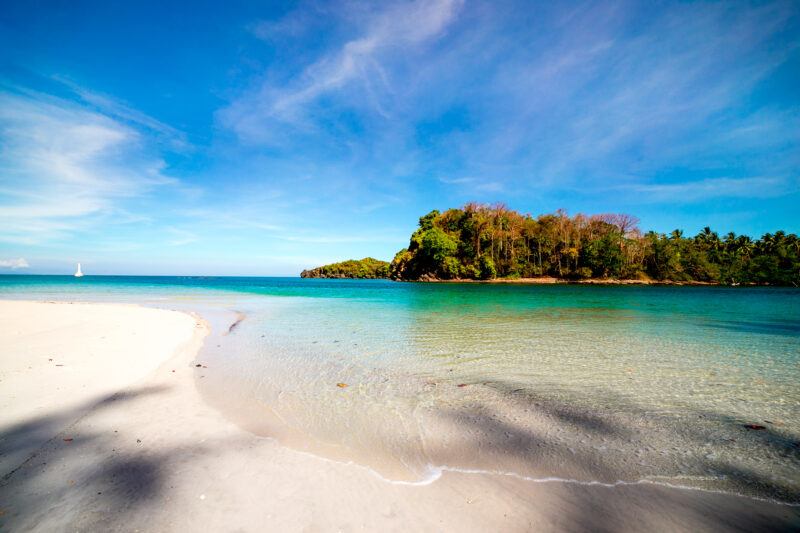
Fly into Phuket (HKT) for Andaman surf; Surat Thani (URT) or Samui (USM) for the Gulf islands; Bangkok (BKK/DMK) connects you anywhere via short hops. On the ground, scooters with board racks are the move (about AU$10–15/day), otherwise Grab taxis, songthaews, or rental cars. Beaches on Phuket’s west coast sit 15–45 minutes apart, making easy multi-spot checks, which allows surfers to explore some of the best surf spots on the island.
Crowds
Kata Beach gets busy (learners + schools + travellers). Slide to Kata Noi, Nai Harn, or Khao Lak for breathing room. Kalim thins the herd because it’s shallow reef and tide-sensitive. Seasoned surfers and experienced surfers often seek out Kalim and similar less crowded, more challenging reef breaks for the advanced waves and terrain. The Gulf is generally uncrowded because… it’s fickle—when it turns on, you’ll share with stoked locals.
Lineup Lowdown
Vibes are friendly, but etiquette can be chaotic due to so many first-timers. If you’re experienced, lead by example: don’t snake, call your direction, and help keep it mellow. Respect beach staff and local crews—they’re the glue that keeps the scene welcoming.
Surf seasons and when to go
The best time of the year to surf in Thailand
Surf Seasons & When to Go
- Andaman Coast (Phuket, Khao Lak, Phang Nga, Krabi, Lanta): May–October (peak June–September). Mornings cleaner; afternoons trend onshore. The best time to visit Thailand for surfing on the Andaman Coast is during these months.
- Gulf of Thailand (Samui/Phangan/Tao; Rayong–Trat): November–January (wind swells). Classic “fun if you’re already there” energy. If you plan to visit for surfing on the Gulf side, these months offer the most consistent conditions.
Water Temperatures & Weather
- Water: 27–30°C year-round (boardshorts/bikinis).
- Air: 30–33°C most days. Surf season = humid, with passing squalls and dramatic sunsets. Hydrate, sunscreen, repeat.
Can’t-Miss Surf Spots
Kata Beach (Phuket)
Thailand’s surf capital. Wide sandbar, consistent during monsoon, and home to the island’s strongest school scene. Southern end = small waves and soft rollers for first timers, making it ideal for beginners; northern end = punchier peaks and rippable walls on solid pulses. Best on a south-west swell, mid-tide, light morning winds. Town is full of rentals, cafés, smoothie bars, and Thai eats—post-surf pad thai is basically mandatory, with surf bars lining the beach for relaxing and meeting fellow surfers.
Kata Noi (Phuket)
A smaller, prettier bay just around the corner, Kata Noi is known for its soft white sands and inviting atmosphere. Cleaner lines, fewer schools, and a touch more power on the right day. The beach offers decent waves for both beginners and intermediates; intermediates love it for room to move, while longboarders score long glides on tucked-in swells. Great fallback when Kata gets chaotic.
Kalim Reef (Phuket)
Kalim is known for its powerful reef breaks, offering short, shallow-reef rights and lefts that turn on with tide and angle. These reef breaks produce fast, hollow, and unforgiving waves—advanced surfers only. Booties recommended if you’re new to reef. Located just north of Patong, so you can pair heavy little drainers with a big night out (or don’t, your call).
Nai Harn (Phuket)
A scenic southern bay ringed by jungle hills and a hilltop temple. Handles a bit more size, with punchy beach-break peaks and occasional long lefts off the rocks. Nai Harn offers decent waves that are ideal for intermediate surfers, providing manageable conditions for those looking to progress. Less school traffic; intermediates thrive. Dawn patrols are magic here—glass, birdsong, then a beach-shack coffee. The beach is also known for its clean waves, especially in the mornings.
Pakarang / Memory Beach (Khao Lak, Phang Nga)
Pakarang Beach is a laid-back longboard heaven an hour or so north of Phuket. The soft beach break here is ideal for beginner surfers, offering long, rolling peaks, a super friendly lineup, and a growing surf-camp/yoga scene. Fewer tourists than Phuket, more space, and dreamy sunsets. Great base if you want mellow consistency plus national-park day trips.
Aow Yai / Long Bay (Koh Phayam, Ranong)
A proper off-grid island vibe: dirt roads, chilled bungalows, hammocks, and clean, glassy peelers when the monsoon points the right way. Bring a fish or log, unplug, and let time slow down.

Thailand surf travel guide
Find trips that fit a flexible lifestyle
Learning to Surf in Thailand
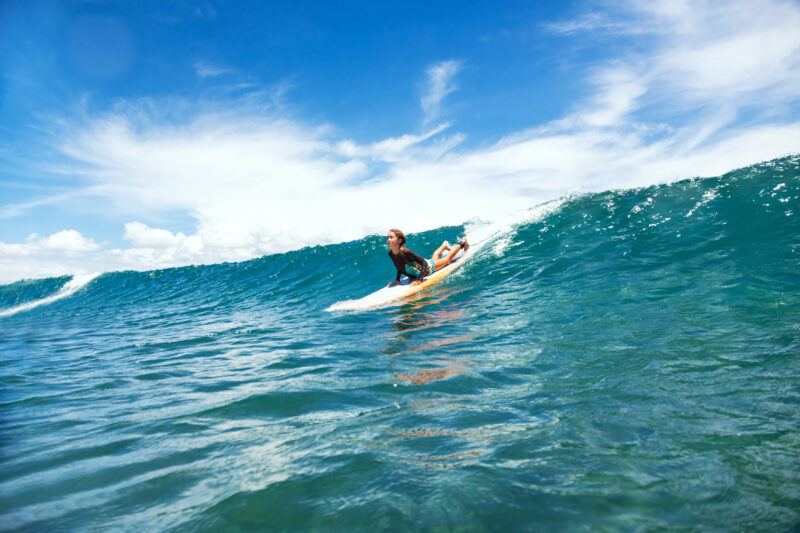
Thailand is ideal for beginner surfers due to its abundance of beginner friendly waves. This is one of Asia’s easiest places to learn. Kata, Kamala, Pakarang/Memory, and Klong Dao (Koh Lanta) offer soft whitewater and forgiving sandbars, making them perfect for beginner surfers seeking gentle, beginner-friendly waves. Expect lessons around AU$35–60/session, rentals AU$10–20/day, and plenty of bilingual instructors. Most schools bundle video feedback, yoga, and scooter-with-rack deals for weeklong progress spikes.
Safety and Etiquette
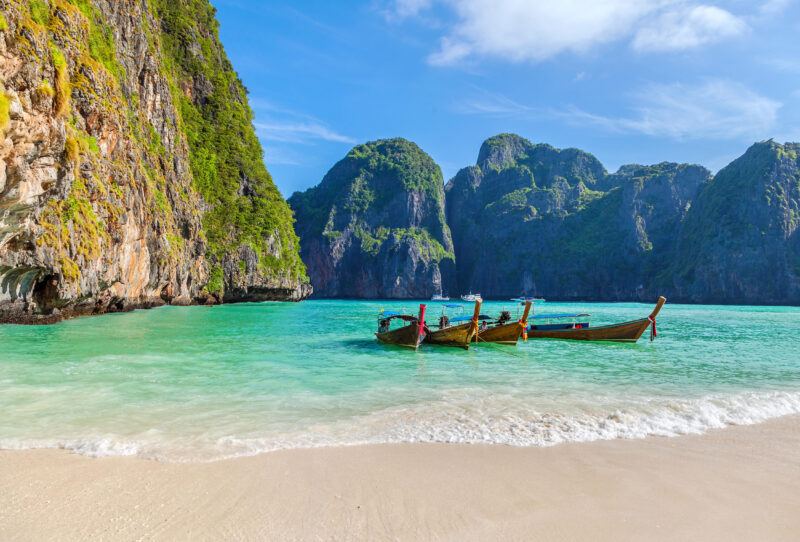
- Rips: Show up at lifeguard-patrolled sections; ask about banks and currents.
- Reef: At Kalim, fall flat, mind the inside, consider booties.
- Storms: Lightning and squalls roll in fast—clear the water if the sky goes wild.
- Etiquette: Lots of learners—be patient, call your waves, help where you can.
- In case of accidents or disputes at the beach, contact the police for assistance.
- Sun & hydration: Equator sun slaps—reef-safe sunscreen, hat, water, repeat.
Surf and Yoga Retreats

Thailand’s surf-wellness mix is elite. Phuket (Kata/Kata Noi) and Khao Lak lead with retreats that blend daily surf coaching, yoga, mobility, breathwork, and Thai cuisine. Many add Muay Thai, boat trips, or Similan/Surin snorkel days. Expect AU$600–1,500/week depending on room type and inclusions.
Accommodation Options for Surfers
- Phuket (Kata/Kata Noi/Kamala): Hostels AU$25–40, mid-range hotels AU$60–140, villas AU$160+.
- Khao Lak: Guesthouses AU$40–80, surf-yoga lodges AU$90–160.
- Patong/Kalim: Budget AU$20–35, hotels AU$110+, luxury AU$250+.
- Koh Lanta / Koh Phayam: Bungalows AU$25–60, boutique eco-stays AU$100–180.
Comparison to Other Surf Destinations

- Versus Bali/Indonesia: Thailand is softer, friendlier, less technical; fewer reefs, less consistency—but easier learning and cheaper all-in costs. While Bali is famous for its world class waves, Thailand is not known for world class waves, making it more suitable for beginners and intermediates. Still, Thailand remains a popular surf destination for travelers from around the world.
- Versus Sri Lanka: Similar mellow vibe, but Thailand’s season is shorter; nightlife and non-surf activities are often livelier in Thailand.
- Versus Philippines: Way kinder than Cloud 9-level reef drama; Thailand’s strength is accessibility + lifestyle.
Expenses
- Accommodation: AU$20–250+ (region & season).
- Food: Street food AU$3–8, sit-down restaurants AU$20–40; fruit shakes AU$2–4.
- Transport: Scooters AU$10–15/day, taxis AU$20–40 cross-island, ferries AU$10–30.
- Surf Costs: Rentals AU$10–20/day; group lessons AU$35–60/session; private coaching AU$80–140.
Thailand remains budget-friendly, especially if you lean into street food, scooters, and guesthouses.
Cultural Notes
- Polite basics: “Sawasdee krub/ka” (hello), “Khop khun krub/ka” (thank you).
- Dress respectfully away from the beach; cover shoulders in temples.
- When the national anthem is played in public places, such as at 8am and 6pm in stations or parks, stand respectfully as a sign of respect for Thai culture.
- Cash is still king at small stalls; ATMs are easy.
- Be mindful of reef-safe sunscreen and beach cleanups—keep paradise pristine.
Cell Coverage & Wi-Fi
Excellent 4G/5G in tourist zones; cheap local SIMs at the airport. Wi-Fi is standard in hotels, cafés, and surf camps—remote-workable in Phuket/Khao Lak, decent even on Lanta and Phayam (speeds vary in storms).
Final Thoughts
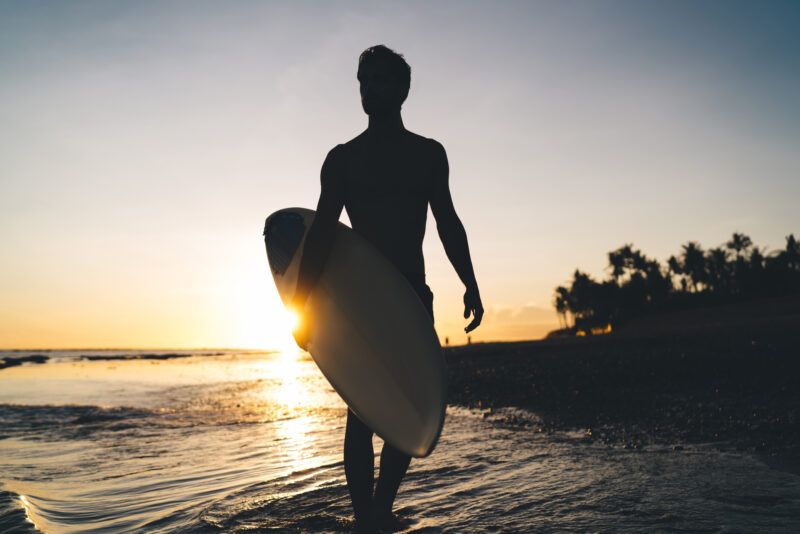
Thailand serves warm-water, good-vibes surfing with a side of culture, cuisine, and island adventure. Thailand is an increasingly popular surf destination, known for its beautiful beaches and stunning white sand beaches, especially along the Andaman coast. Kata builds confidence, Kata Noi and Nai Harn add spice, Kalim keeps experts honest, and Khao Lak plus Koh Phayam dial in the slow-life glide. Mix in yoga, massages, night markets, snorkeling, and mango sticky rice, and you’ve got a surf trip that’s as restorative as it is fun.
If your dream is progress over bravado, sunset beers over broken boards, and tropical lifestyle over heavy consequences, Thailand is an instant yes. Pack a log or fish, reef-safe sunscreen, and your best smile—the Land of Smiles will meet you halfway.