Overview of surfing in Chile (North)

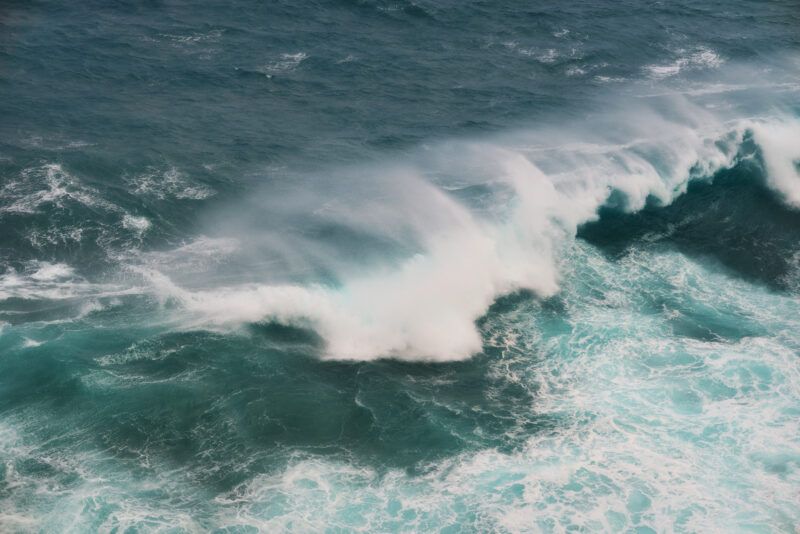
Northern Chile is one of the most dramatic and wave-rich coastlines in the world — a place where the Atacama Desert meets the powerful Pacific Ocean, where towering cliffs drop into deep blue water, and where grinding left-hand pointbreaks run for what feels like forever. The region is dry, remote, and sparsely populated, but the ocean activity is intense. Northern Chile is renowned for its rugged coastline, with steep cliffs and rocky features that create wild, unspoiled surf conditions. North Chile picks up long-period South Pacific swells and transforms them into world-class waves, often with no one around to surf them.
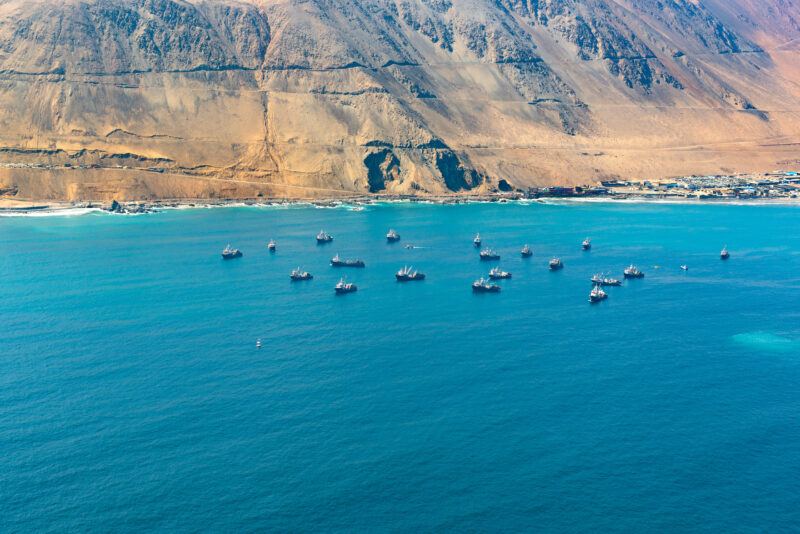
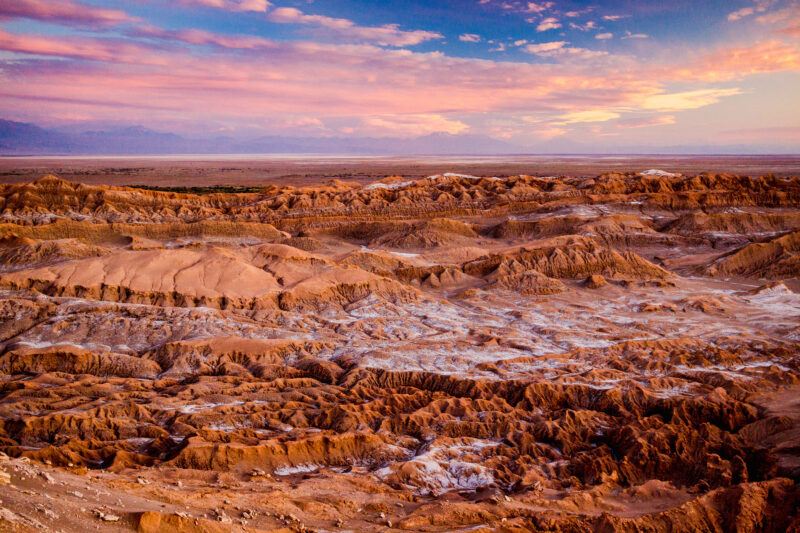
The coastline from Arica to Antofagasta is a playground of volcanic rock points, sand-bottom coves, reef slabs, and desert-framed bays that hold swell with mechanical precision. The waves are powerful, fast, and often hollow. Rocky bottoms produce some of the most powerful and hollow waves in the region, making it a destination for advanced surfers. Left-handers dominate the region, many of them extremely long and capable of producing multiple barrel sections. Unlike tropical surf regions, North Chile feels lunar — an endless desert broken only by fishing villages, mining towns, and surf communities built around knowledge of tides, swell angles, and local winds.
Wind is a major factor. Mornings are usually calm or lightly offshore, while afternoons get windy due to desert heating. Swells hit the coastline with brute force, and the reefs and boulders shape it into perfect waves. Surfers come here not for crowds or palm trees but for raw, untouched energy, high-performance lefts, and some of the longest rides of their lives.
This is a region for confident surfers who enjoy remoteness, exploration, and serious power. But for the adventurous, North Chile is one of the most rewarding surf destinations on earth.
Surf Regions in North Chile

Arica Region
The heavy-water capital of North Chile, home to powerful slabs, long points, and some of the region’s most advanced waves. Arica also features Las Machas, a popular beachbreak suitable for surfers of all levels, making it a great training ground. For those visiting, Hotel Arica offers convenient accommodation close to the main surf spots, providing easy access for surfers exploring the area. The local surf culture is further enriched by figures like Ramon Navarro, a prominent Chilean surfer known for his achievements and significant contributions to the local surf scene. A hardcore surf town with deep local culture.
Iquique Region
A surf-rich city surrounded by reef breaks, slabs, and pointbreaks. Offers waves for multiple levels and has a strong urban surf scene. Playa Cavancha is a popular and accessible beach in Iquique, ideal for beginner surfers looking for a variety of surf conditions.
Pisagua & Desert Coast
Remote, wild, untouched coastline packed with left-hand points and isolated surf zones. Requires 4×4 knowledge and exploration.
Antofagasta Region
Volcanic coastline with long lefts, fun coves, and dramatic desert cliffs. Home to consistent waves and surf communities that thrive off the rugged environment.
Getting there
Getting There and Access
Major airports:
- Arica (ARI)
- Iquique (IQQ)
- Antofagasta (ANF)
Most surf travelers rent a car or 4×4 and drive along the coastline to find breaks. The Pan-American Highway runs north to south, making the entire region accessible. Dirt roads lead to many surf spots, especially in remote desert zones.
Gas stations can be far apart — planning is essential.
Crowds
Arica: moderate
Iquique: moderate near city reefs
Pisagua: extremely light
Antofagasta: light
Remote desert points: empty
In North Chile, emptiness is the norm — except at the heaviest slabs, where experienced locals push the limits daily.
Lineup Lowdown
North Chile’s surf culture is tight-knit and technical. Etiquette is important:
- Respect locals — they’ve mastered these reefs
- Don’t paddle straight to the peak without watching
- Understand the takeoff zone — many waves are steep
- Don’t surf advanced slabs unless you’re ready
- Bring first-aid supplies — cuts are common
- Help other surfers in emergencies
- Surfers tend to respect local customs and lineup etiquette, ensuring harmony in the water
Locals appreciate visitors who show humility and respect for the ocean’s power.
Surf seasons and when to go
The best time of the year to surf in Chile (North)
Surf Seasons and When to Go

North Chile works year-round, but swell direction affects quality. The national average for surfable days in Chile is around 300 per year, making it one of the most reliable surf destinations for consistent waves.
Winter (May–September)
Strongest and most consistent swell season
Winter swells in north Chile hit hard, producing powerful and challenging surf conditions. These swells often generate waves with a steep drop, especially at the region’s famous points and slabs.
Long-period energy produces huge walls
Perfect for points and slabs
Autumn (March–May)
Clean conditions
Winds manageable
Consistent solid surf
Spring (September–November)
Mixed but still good
more blow outs
Spring can occasionally bring a long flat spell, with fewer waves and more variable conditions.
Great for exploring emptier breaks
Summer (December–February)
Smaller swell but highly fun
Mornings glassy
Great for intermediate surfers
On some summer days, the ocean can be as calm as a swimming pool, offering ideal conditions for both surfing and relaxation.
Best time overall: March–October
Best for big waves: June–August
Water Temperatures and Weather
Water temperature: 14–19°C
A 3/2 or 4/3 wetsuit is essential.
Air temperature varies dramatically — cool mornings, dry heat by midday, and cold evenings.
Rain is nearly nonexistent thanks to the Atacama Desert’s conditions.
Can’t-Miss Surf Spots
Arica Region
El Gringo (AKA The Chilean Pipeline)
A world-famous left-hand slab that detonates over shallow volcanic reef with a rock bottom, making for thick barrels, dangerous drops, and added risk for surfers. The wave is at its best during low tide, when the shape and power are most pronounced. One of the heaviest waves in South America. Best for experts.
El Buey
A massive big-wave reef that holds 20-foot plus surf. The spot features a rock bottom, contributing to its long walls, heavy power, and the potential for dangerous wipeouts. El Buey works best at low tide, when the waves are most consistent and powerful. Tow-in sessions occur on the biggest days. This is Chile’s big-wave arena.
Laucho
A more approachable left with softer sections and rippable walls. Great for intermediates and ideal for practicing turns.
Iquique Region
La Punta
A fast, high-performance left pointbreak with long rides and multiple carve sections. Very consistent and popular among locals.
Las Urracas
A heavier, more hollow wave with fast takeoffs and shallow sections. A favourite for advanced surfers who enjoy barrels.
Cavancha Beach Break
A mellow beach break in the city centre, perfect for beginners and longboarders. A rare soft option in an otherwise heavy-water region.
While lefts dominate most Iquique surf spots, there are also right handers available in the region, offering variety for surfers seeking different types of waves.
Pisagua & Desert Coast
Pisagua Points
A series of left-hand pointbreaks that work on various swell and tide combinations. Long, high-quality walls ideal for carves and down-the-line speed. These breaks often go empty for days, and other waves can also be found along the coast for those willing to explore.
Remote Desert Points
The coastline north and south of Pisagua hides multiple world-class points that require desert navigation. Long rides, powerful walls, and complete solitude define these spots. Adventurous surfers may discover other waves in the area, offering even more variety beyond the main points.
Antofagasta Region
La Portada
A stunning left-breaking wave beneath massive desert cliffs. Can be hollow, powerful, and extremely long on the right swell.
Trocadero
A technical left-hand reef with bowl sections and fast takeoffs. A favourite among local rippers.
Mejillones Beaches
A stretch of beach breaks that offer approachable waves and great wind protection. Good for intermediates.

Chile (North) surf travel guide
Find trips that fit a flexible lifestyle
Learning to Surf in North Chile

North Chile is not ideal for first-time beginners due to heavy reefs and powerful waves.
Beginners should stick to:
- Cavancha Beach (Iquique)
- Certain beaches near Mejillones
- Arica small days at Laucho
Lessons: AU$30–70
Board rentals: AU$20–50/day
Most spots require duck-diving ability, reef awareness, and confidence in powerful surf.
Safety and Etiquette
- Many waves break over sharp volcanic reef
- Some spots require jumps off rocks
- Afternoon winds can ruin conditions
- Currents can be strong
- Long hold-downs at slabs are normal
- Bring your own first aid for reef cuts
- Don’t leave valuables in cars
- Hydrate — dry desert heat dehydrates fast
- Wear reef-safe sunscreen
Never surf heavy water without the skill to handle it.
Surf and Yoga Retreats
North Chile has fewer structured retreats than Bali or Costa Rica, but Arica, Iquique, and Antofagasta offer surf camps and surf-hostels with:
- Coaching
- Yoga
- Desert excursions
- Wave forecasting education
- Cultural tours
- Healthy meals
Typical cost: AU$500–1,200 per week.
Accommodation Options for Surfers
Budget hostels: AU$20–40
Mid-range hotels: AU$50–120
Surf camps: AU$40–100/night
Desert cabanas: AU$30–80
Arica + Iquique have the most options
Remote regions require camping gear or off-grid vans.
Comparison to Other Surf Destinations

North Chile vs Peru:
- Chile is heavier
- Chile has more slabs
- Peru has longer points but less power
- The country of Chile offers a unique surf experience, with its powerful waves and diverse coastline setting it apart from other South American destinations.
- Mainland Chile provides a distinct surfing environment compared to remote or island surf spots in the region.
North Chile vs California:
North Chile vs Australia:
- Similar power to WA
- Far fewer crowds
- More raw desert scenery
North Chile vs Indonesia:
- Way colder
- Much heavier
- Far less crowded
- More exploratory
North Chile is for the adventurous, not the casual.
Expenses (AUD)
Accommodation: AU$20–120
Car rental: AU$60–150/day
Fuel: AU$1.50–2.10/L
Food: AU$5–15 per meal
Board rental: AU$20–50/day
Very affordable for long stays, especially outside tourist towns.
Cultural Notes
Expect:
- Friendly surfers with deep knowledge of the ocean
- Fishermen culture along coastal towns
- Desert silence and peaceful nights
- Simple, hearty local food
- Surf shops only in major cities
- Spanish is essential — little English in remote areas
North Chile surf culture is humble, skilled, and protective of the coastline.
Cell Coverage & Wi-Fi
Reliable in cities
Spotty or nonexistent in desert zones
Remote breaks often have zero signal
Download maps + tide charts before missions
Environmental Conservation in North Chile
The northern region of Chile is not just a paradise for surfers chasing perfect waves—it’s also a unique and fragile ecosystem that demands respect and care. From the iconic rocky points of Punta de Lobos to the heavy barrels of El Gringo, the coastline is home to a rich variety of marine life and dramatic landscapes shaped by the Atacama Desert. The combination of consistent swells, hollow waves, and nearly all lefts makes this a goofyfooter’s paradise, but the same features that attract surfers also make the environment especially sensitive to human impact.
Chilean surfers, surf schools, and local surf shops are at the forefront of environmental conservation efforts. Many organise regular beach cleanups, promote sustainable tourism, and educate visitors about the importance of protecting the coastline. Notable figures like Diego Medina have helped bring international attention to the need for responsible surfing in Chile, inspiring both locals and travelers to take action.
The Atacama region, with its stark desert beauty and rocky bottoms that produce world-class waves, is particularly vulnerable. The Chilean government has responded by establishing national parks and protected areas along the coast, aiming to balance the growing popularity of surf spots with the need to preserve natural resources. These initiatives are crucial, especially during the big wave season (May to July), when increased traffic and activity can put extra pressure on the ecosystem.
Final Thoughts

North Chile is one of the most powerful, consistent, underrated surf destinations on the planet — a place where desert cliffs meet flawless left-hand pointbreaks, where slabs detonate over volcanic rock, and where empty bays hold the best waves and quality waves of your life with no one around to see them.
This region has recently come under the international spotlight for its world-class surf, drawing attention from surfers worldwide. North Chile is ideal for memorable surf trips and is considered one of the best surf trips globally, thanks to its consistent swells and diverse surf spots. The vibrant Chilean surf scene thrives here, offering a unique blend of culture and adventure. Surfers are advised to bring a good quiver to handle the variety and power of the waves, especially with the challenging rocky bottoms. Along the coast, you can always discover new waves, adding to the excitement and sense of exploration.
It’s not a region for beginners or casual tourists, but for surfers craving solitude, raw landscapes, and serious waves, North Chile is pure gold. Whether you’re chasing barrels at El Gringo, carving endless walls near Pisagua, or exploring unnamed desert points, the experience is unforgettable.
It’s wild. It’s humbling. It’s beautiful. A true frontier for surfers who live for the journey.