
Surfing in Seychelles
Surfing guide to Seychelles, Indian Ocean
Seychelles has 1 main surf areas. There are . Go explore!


Overview of surfing in Seychelles
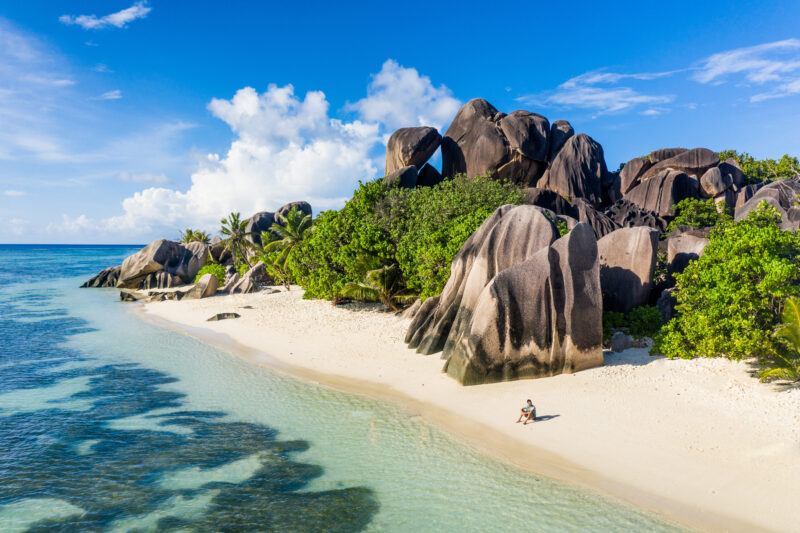
The Seychelles, a group of 115 islands scattered across the Indian Ocean, are best known for their white-sand beaches, granite boulders, and turquoise lagoons. Seychelles is an archipelago and island nation located in the western Indian Ocean, north of Madagascar and east of Africa. The Seychelles Islands are situated on this unique part of the planet, with close proximity to both Madagascar and the African continent. The country has a population of around 100,000, with the majority residing on the main island of Mahé, where Victoria, the capital city, is located. Officially known as the République des Seychelles, this republic is recognized for its political independence and governance structure. The history of the country includes periods of British colonial influence before gaining independence in 1976. The Seychelles government is committed to conservation, protecting endemic wildlife and unique flora such as the coco de mer and Wright’s gardenia. Tourism is a vital part of the economy, attracting tourists from around the world to the Seychelles Islands for their natural beauty and biodiversity.

But tucked inside this paradise lies an under-the-radar surf scene. With consistent swell from the Indian Ocean and reef passes wrapping around its islands, the Seychelles offers warm-water waves in one of the world’s most scenic settings.
Surfing here is still emerging, which is both a blessing and a challenge. Don’t expect Bali-style surf infrastructure or crowds of groms—expect quiet lineups, reef passes to yourself, and waves breaking against jaw-dropping granite cliffs. The surf season runs mainly May to September, during the southeast trade winds, with occasional pulses outside those months.
Surf Regions in the Seychelles and the Indian Ocean

The main island and surf hub. Most breaks are reef passes or reef-fringed bays on the east and south coasts. Popular spots include Anse Intendance, Anse Royale, and Anse Bougainville.
Praslin

The second-largest island, with fewer surfable waves than Mahé, but occasional reef setups light up during solid swells.
La Digue

World-famous for its beaches, like Anse Source d’Argent. Surf potential exists on reefy fringes, though access is tricky and conditions fickle.
Outer Islands
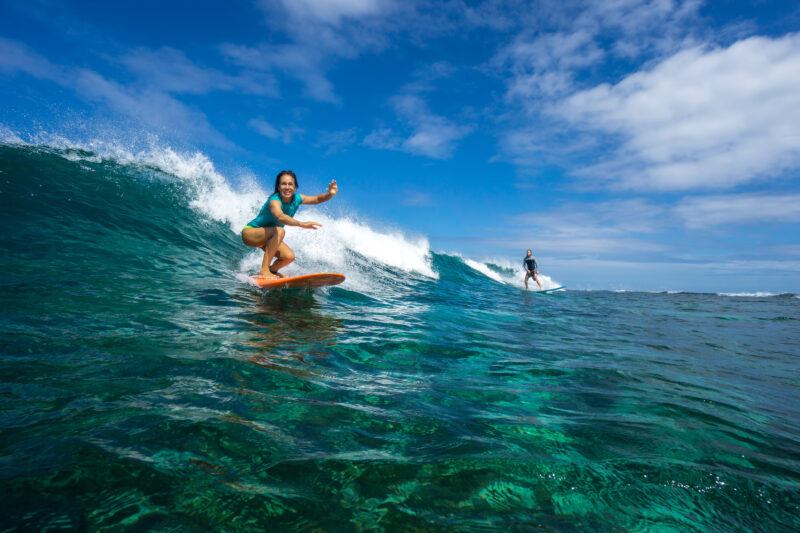
Rarely surfed, almost no infrastructure, but home to uncrowded reef passes. Most surf activity is concentrated on the inner islands, which are more easily accessible and inhabited, while the outer islands are less developed and often uninhabited. Strictly for the adventurous with time, boats, and local knowledge.
The Good
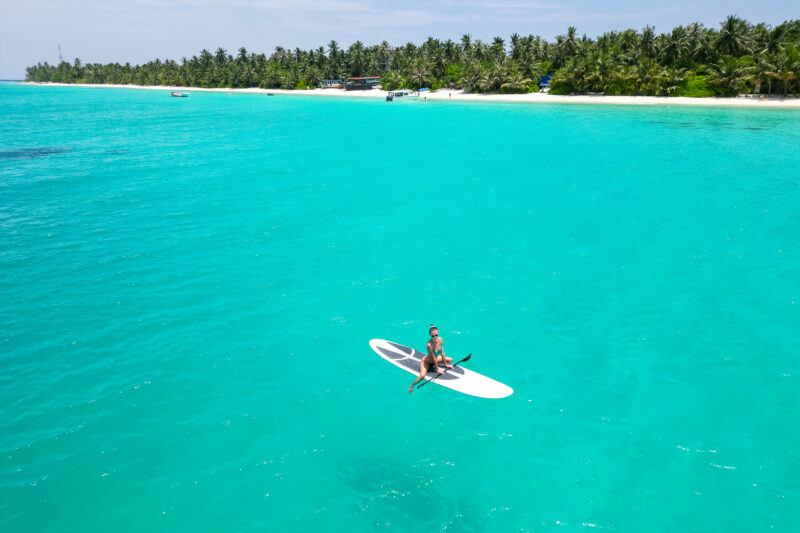
- Warm, clear tropical water all year, with the stunning sight of crystal-clear water where you can see your feet and beautiful surroundings—no wetsuits ever
- Uncrowded waves with potential to surf solo
- Incredible scenery and pristine beaches
- Culture is relaxed, friendly, and safe
- Surf mixed with diving, fishing, and island life
The Bad
- Limited surf infrastructure and very few surf schools
- Surf-related services, such as board repairs and guided tours, are limited or not widely available
- Reef breaks require experience and caution
- Access to some spots is tricky, sometimes boat-only
- Travel and living costs are high compared to other Indian Ocean surf spots
- Shorter, more seasonal surf window

Getting there

Flights arrive at Seychelles International Airport on Mahé, with connections via Dubai, Doha, Addis Ababa, and Nairobi. From Mahé, ferries and small planes connect you to Praslin and La Digue. Boat travel between islands depends on sea and weather conditions, so travelers should always check these before planning their journey.
Car rentals on Mahé are essential for surf exploration, about AU$80–100 per day. Scooters are available on Praslin and La Digue. Some surf spots require hikes or boat rides, and reefs are exposed at low tide.
Crowds
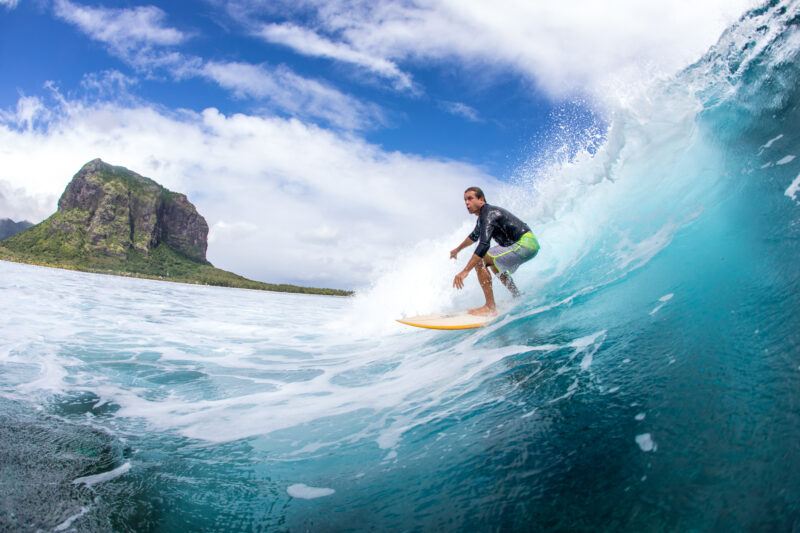
Crowds are almost non-existent compared to anywhere else in the Indian Ocean. At Mahé’s most accessible spots like Anse Intendance or Anse Royale, you might share the lineup with a handful of surfers, often expats, visiting travellers, or tourists enjoying the islands.
Lineup Lowdown

Locals are laid-back, but etiquette matters. Most Seychellois have a diverse heritage, with French, East African, South Indian, and Chinese roots, and are welcoming to visiting surfers. Most surfers here are visitors or expats, so lineups are mellow. Respect reef knowledge and ask locals about currents, tides, and safe channels. Be self-sufficient, bring spares, and don’t expect surf shops around every corner.
Surf seasons and when to go
The best time of the year to surf in Seychelles
Surf Seasons and When to Go

The main surf season is May to September, driven by the southeast trade winds. December marks the beginning of the rainy season, which can affect wave quality and beach conditions. Swell consistency is good, though winds can create choppy conditions. Morning sessions are often cleaner. Off-season, between October and April, small but fun waves appear occasionally, though flat spells are common.
Water Temperatures and Weather
The Seychelles’ tropical climate keeps water temperatures warm year-round, staying between 26–29°C. Air is tropical and humid, 28–32°C most days. May to September brings drier southeast trades, while November to March is wetter and stickier.
Can’t-Miss Surf Spots on the Main Island
Anse Intendance (Mahé)
One of Seychelles’ most famous beaches doubles as a powerful reefy beach break during monsoon season. Hollow, heavy, and not for beginners. Scenic granite boulders frame the lineup. Surfers here may catch a glimpse of rare wildlife or unique birds, such as the Seychelles black parrot, while waiting for waves.
Anse Royale (Mahé)
A reef pass with long lefts and rights peeling over coral. More user-friendly than Intendance, though still requires awareness of tides and currents. Consistent in season, and the town nearby has food and stays.
Anse Bougainville (Mahé)
Less famous but offers fun waves during strong swells. Works with southeast winds, producing lefts and rights over shallow reef.
Praslin Reefs
Occasional surf potential when strong swell directions line up. Rarely crowded, often empty, but conditions fickle.
La Digue Fringes
Not a core surf destination, but adventurous surfers find novelty waves around the granite shoreline on big swells.

Seychelles surf travel guide
Find trips that fit a flexible lifestyle
Learning to Surf in the Seychelles

There are very few surf schools or beginner-focused camps, with most of the infrastructure centred on rentals around Mahé. Beginners are better suited to mellow inside sections at Anse Royale, but even then, reefs demand caution. Seychelles is not the best place to learn, unless you link up with an experienced guide, so planning your trip carefully is essential due to the limited beginner infrastructure.
Safety and Etiquette
Reefs are sharp and shallow—booties and reef awareness are recommended. Strong currents and sharp reefs can be hazardous for both surfers and swimmers, so swimming safety is just as important as surfing safety. Currents can be strong during monsoon swell, and tides dramatically affect access. Medical facilities are limited outside Mahé, so surf within your skill. Respect the environment—these beaches are pristine, and littering or reef damage won’t go unnoticed.
Surf and Yoga Retreats
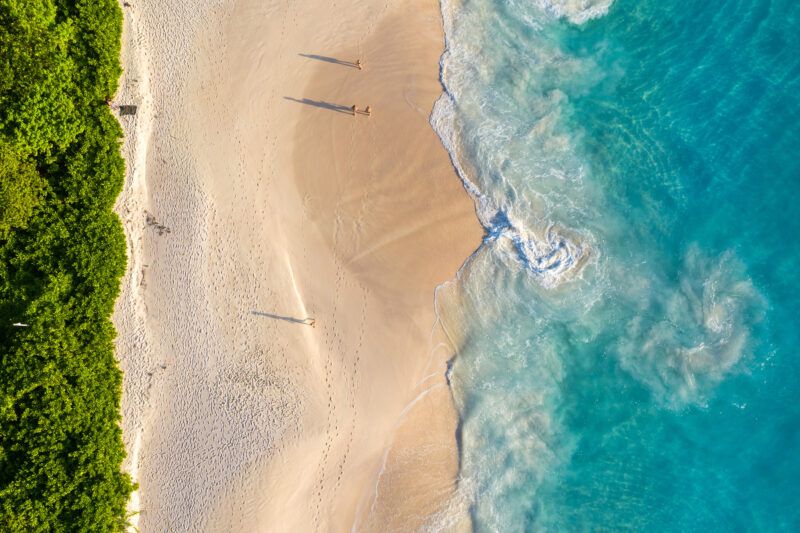
Unlike Bali or Sri Lanka, retreats here are rare but growing. A few boutique eco-lodges around Mahé and Praslin offer surf-yoga packages, with some providing complete wellness packages that include yoga, surf lessons, and spa treatments, combining island living, snorkelling, and wellness. Expect premium prices, around AU$1,500–2,500 per week.
Accommodation Options for Surfers

- Mahé guesthouses AU$80–120 per night
- Mid-range hotels AU$150–250
- Luxury villas and resorts AU$400+
- La Digue and Praslin offer homestays from AU$100 and eco-lodges around AU$200+
Comparison to Other Surf Destinations

Compared to Bali or the Maldives, Seychelles is less consistent and has fewer breaks. It’s more about surf adventure in a scenic, uncrowded setting. Think Fiji’s outer islands without the infrastructure, or Mauritius without the local crowd factor. If you’re chasing perfect daily surf, Seychelles isn’t it. If you want tropical waves mixed with untouched beaches and a quiet vibe, it’s gold.
Compared to Australia, surf conditions in Seychelles are typically less consistent but offer a more secluded and peaceful experience.
Expenses
- Accommodation: AU$80–400+ per night
- Food: AU$15–30 per meal, fine dining AU$60+
- Transport: Car rental AU$80–100 per day, ferries AU$60–100 between islands
- Surf Costs: Rentals AU$20–40 per day (limited availability), lessons AU$60–100 where offered
The Seychelles is expensive compared to Sri Lanka or Indo, but the payoff is pristine isolation.
Travelers should also be aware that they may be required to show proof of sufficient funds upon entry to Seychelles.
Cultural Notes
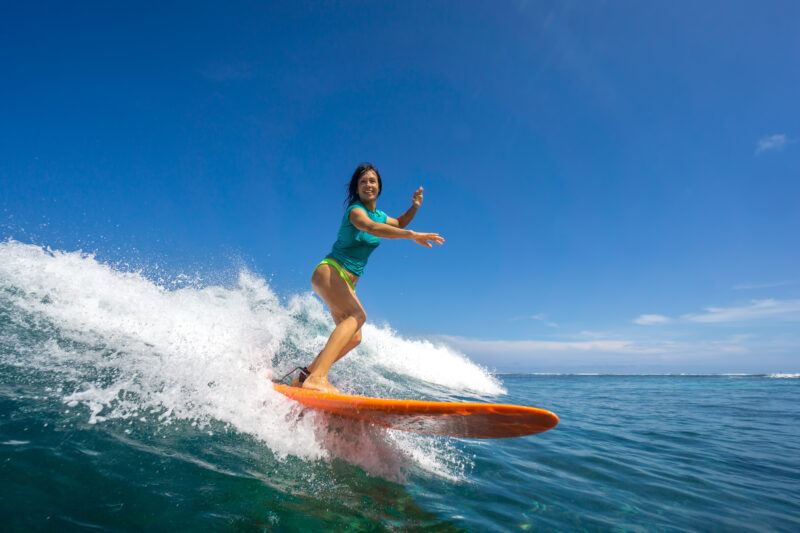
Creole culture dominates, with French, African, and Indian influences. Life is slow-paced and welcoming. English, French, and Creole are widely spoken. Respect for the environment is high—marine protection is taken seriously.
Visitors should be aware of local laws and legal restrictions, especially in rural areas where customs and social norms may be more conservative. Always ensure that your behavior and any medications you bring comply with local legal requirements to avoid issues during your stay.
Cell Coverage and Wi-Fi
Cell service is good on Mahé and Praslin, patchier on La Digue, and minimal on outer islands. Wi-Fi is available in hotels and guesthouses, though speeds are slower than mainland Asia.
Final Thoughts
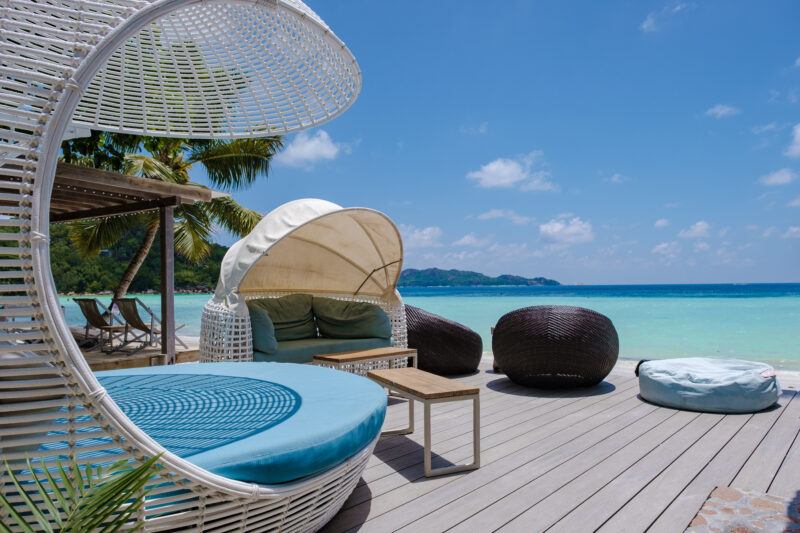
The Seychelles isn’t a surf factory—it’s a surf adventure destination. Waves can be world-class when conditions align, but it’s just as much about surfing in a place of breathtaking natural beauty. Mahé’s Anse Intendance and Anse Royale deliver power and consistency, while smaller islands offer exploration for those willing to search.
If your dream is warm water, empty lineups, granite-framed beaches, and a tropical escape with occasional barrels, Seychelles is worth the mission. Bring reef-safe sunscreen, spare gear, and patience—because when it all comes together, surfing here feels like you’ve discovered paradise.
Before your trip, be sure to visit official government websites for the latest travel information and to obtain the required travel authorisation for entry into Seychelles.