Surfing in Philippines
Surfing guide to Philippines, Asia
Philippines has 5 main surf areas. There are . Go explore!


Overview of surfing in Philippines
The Philippines is a large archipelago off of Southeast Asia, known for a lot of things, but not particularly as a surf destination. That being said, the islands are fast becoming a surfer’s heaven with a few well known breaks along with thousands of miles of unexplored and exposed coastline. It’s swell exposure is not as epic as Indonesia or Hawaii, but good surf arrives regardless. The Philippines are both ultra urban in parts and incredibly rural in others. Most of the surf scene is scattered along the coasts facing the Pacific, and most of this area is not near the biggest cities. This makes surfing and surf exploration here an endeavor of the prepared and adventurous. You’ll need to be ready to get skunked, but maybe get the wave of a lifetime in an empty, tropical paradise.

The Surf
The surf in the Philippines is largely unexplored, however there is great variety in the waves that are known. There are gentle and pleasant beachbreaks for the beginners and longboarders among us, places like La Union and Baler come to mind. What really put this archipelago on the map are the shallow and sharp coral reef breaks that offer up hollow and powerful walls such as Cloud 9.

The off season is generally best for beginners everywhere as the waves are much smaller and manageable, even around the more advanced reefs. There are probably a bunch of undiscovered waves around the island chain waiting for surfers of any level to roll up and have a ride.
Top Surf Spots
Carrile Point
This point is one of the top spots in the Philippines. You’ll be seeing fast right hander that offers up performance sections and some barrels. This spot will turn on in typhoon swells, so keep your eyes on the charts. Learn more here.
Cloud 9
This is the spot that put the Philippines on the map. Cloud 9 is a top level right hand reef that barrels top to bottom when the swell turns on. Take care to respect the locals and avoid the shallow, live coral reef and you might get the wave of a lifetime. Learn more here!
Charlie’s Point
This is not one of the best spots in the Philippines, but it deserves a mention. This is the spot that was surfed in Apocalypse Now. You’ll find peaky beachbreak over a mushy gravel bottom. This is a good area for learning and progressing. Learn more here!
Accommodation Information
There is all manner of accommodation available in the Philippines. Unlike regions like Fiji or the Maldives, there are not always resorts a short walk or boat ride away from the top surf spots in the country. Do your research, but it is much more likely that you will find hostels, home stays, and low budget accommodations around the published surf spots. Thinking more toward the not built up areas, you will be hard pressed to find a hotel room, but locals might be convinced to let you stay with them.
Getting there
Surf Regions

Luzon
Luzon is the largest island in the Philippines and includes the capital city of Manila. There are no surf spots in the capital. However, there is plenty of surf around the other parts of the coast. This includes La Union and the reefs of San Juan. On the North and East coast there are more spots, although access is not always guaranteed.
Samar Island
Samar Island is a large volcanic island that is very remote. The coastline is largely unexplored however there are stories of excellent surf on the entire coast. The island has excellent swell exposure and enough variation of direction to have good wind year round.
Siargao Island
This is perhaps the most built up surf scene in the islands. It is home to Cloud 9 and there is decent surf infrastructure here due to the influx of surfers. There are plenty of excellent surf breaks around, and the island is far from the capital making it a bit of a haul to get to which keeps the crowds down (except for Cloud 9).
Access to Surf and Location
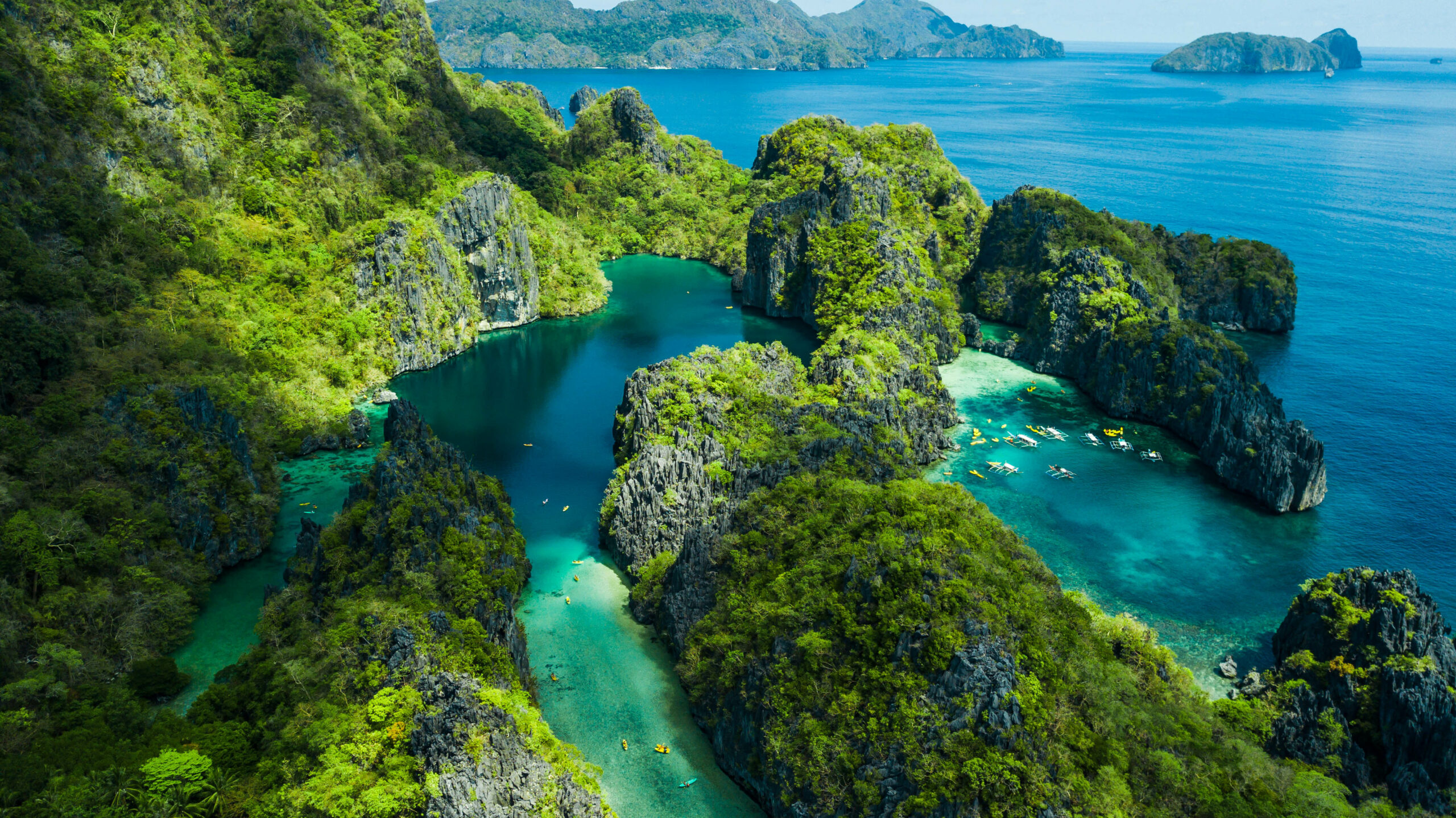
Most of the named surf spots are accessible by car once you get to the island they are located on. To get between islands domestic flights are the way to go, although ferries are also available for those willing to take a longer ride. Many of the unexplored regions are unexplored because there is very little if any access by car. Therefore a boat or some very well planned trekking will be necessary to get to them. Manila, the country’s capital, has a massive international airport and will most likely be the port of entry for any visiting surfer.
Visa and Entry/Exit Information
The Philippines are a fairly easy country to enter and most nationalities can come visa free for a tourist stay of 30 days. This, however, can be extended to 36 months with a visa. You’ll need a valid passport and a return ticket. Check the government site for more information on this.
Surf spot overview
Lineup Lowdown
Lineups in the Philippines are overtly friendly for the most part. The local communities are warm and welcoming, giving visitors a sight into what a burgeoning surf scene looks like. There are plenty of surf competitions and festivals in but Siargao and La Union which can be amazing for locals and tourists alike. Of course, a good deal of respect and etiquette is necessary for the good will to flow your way.
Surf seasons and when to go
The best time of the year to surf in Philippines
Surf Seasons
The peak surf season for the Philippines is September-March. During these months you’ll have better chance of bigger surf as the monsoons will be pumping. The off season will have much smaller and manageable waves for all levels. Beware that the surf in the Philippines is fickle and difficult to predict, unlike a destination like South Africa or Baja California.

Philippines surf travel guide
Find trips that fit a flexible lifestyle
Activities Other than Surf
Beyond the thrilling surf, the Philippines offers a treasure trove of activities for every kind of traveler. For the marine enthusiasts, there’s a whole world to explore under the sea with some of the best snorkeling and diving spots in the world, featuring vibrant coral reefs and diverse marine life. On land, immerse yourself in the local culture by sampling the country’s rich culinary heritage, which is a delightful blend of indigenous, Spanish, Chinese, and American influences. The vibrant night markets and local fiestas offer a glimpse into the lively Filipino spirit. For the history buffs, a visit to historical landmarks, including Spanish-era churches and World War II memorials, is a must. Nature lovers can venture out to explore the lush landscapes, trekking to hidden waterfalls, and discovering secluded beaches, offering a perfect way to unwind after a day of surfing.

Language
In the Philippines, the ease of communication is one of its biggest advantages for travelers. Filipino (Tagalog) is the national language, but English is widely spoken and understood, particularly in surf towns and tourist areas. This makes interactions with locals, from getting surf tips to ordering food, a breeze. Each region also has its own dialect, adding to the rich linguistic tapestry of the country. Knowing a few basic Filipino words and phrases can go a long way in showing respect for the local culture and can make your interactions more enjoyable and meaningful.
Currency/Budget
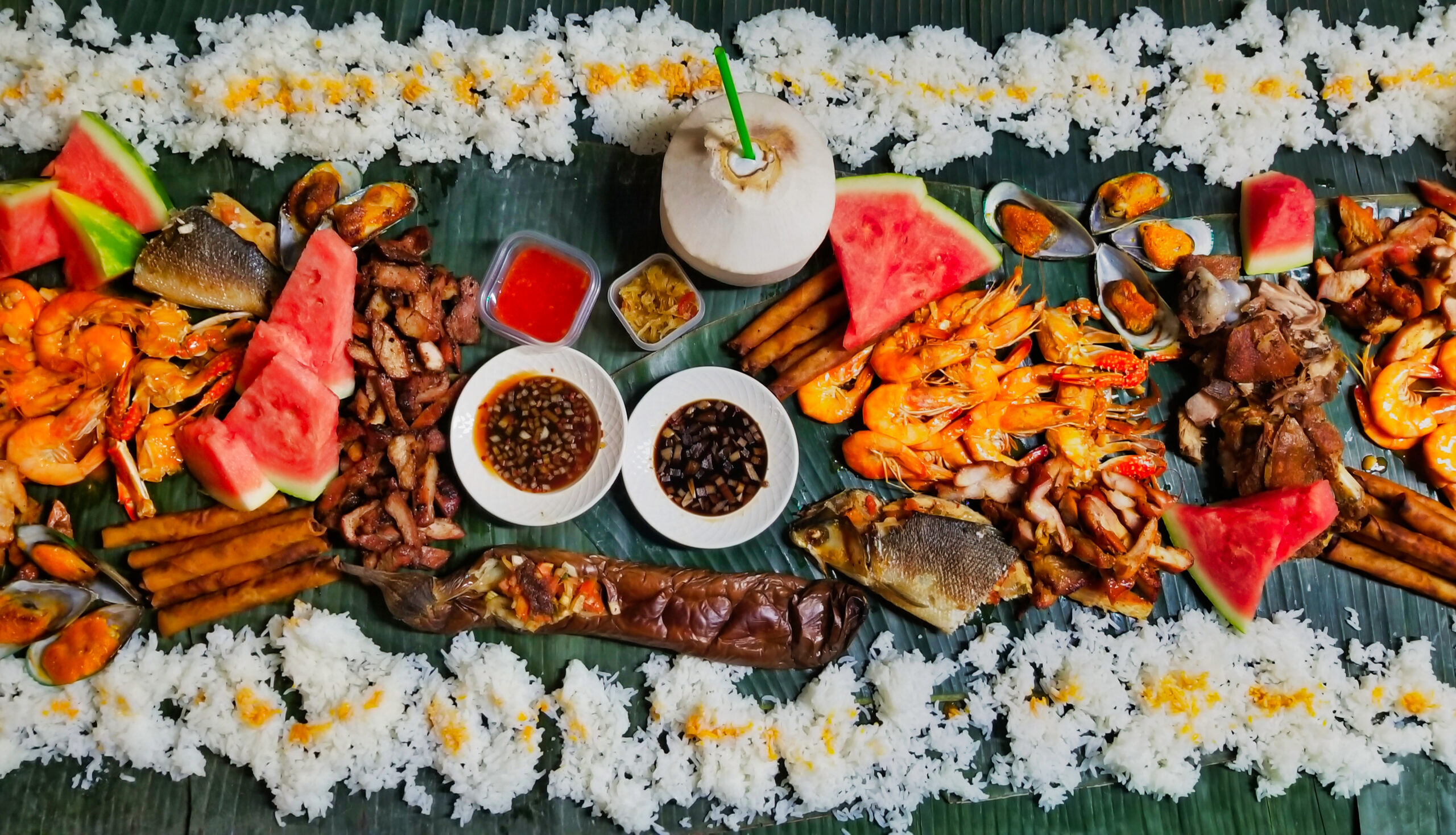
The Philippine Peso (PHP) is the local currency, and the cost of traveling in the Philippines can be very budget-friendly, depending on your choices. Accommodation, food, and transportation can cater to a wide range of budgets, from backpacker hostels to luxury resorts. Street food and local eateries offer delicious meals at a fraction of the cost you’d expect in many other countries. Credit cards are accepted in most urban areas and tourist spots, but it’s always wise to have cash for transactions in remote areas. ATMs are widely available, but it’s recommended to carry sufficient cash when traveling to less populated surf spots.
Cell Coverage/WiFi
Staying connected in the Philippines is generally easy, especially in key surf areas and urban locations. Cell coverage is extensive, and free WiFi is commonly offered in accommodations, cafes, and some public areas. For more consistent access, tourists can easily purchase local SIM cards at the airport or local stores, which come with affordable data plans. This accessibility allows surfers and travelers to share their experiences in real-time, stay in touch with family and friends, and even work remotely, making the Philippines an ideal destination for digital nomads and social media savvy travelers.
Get Moving!
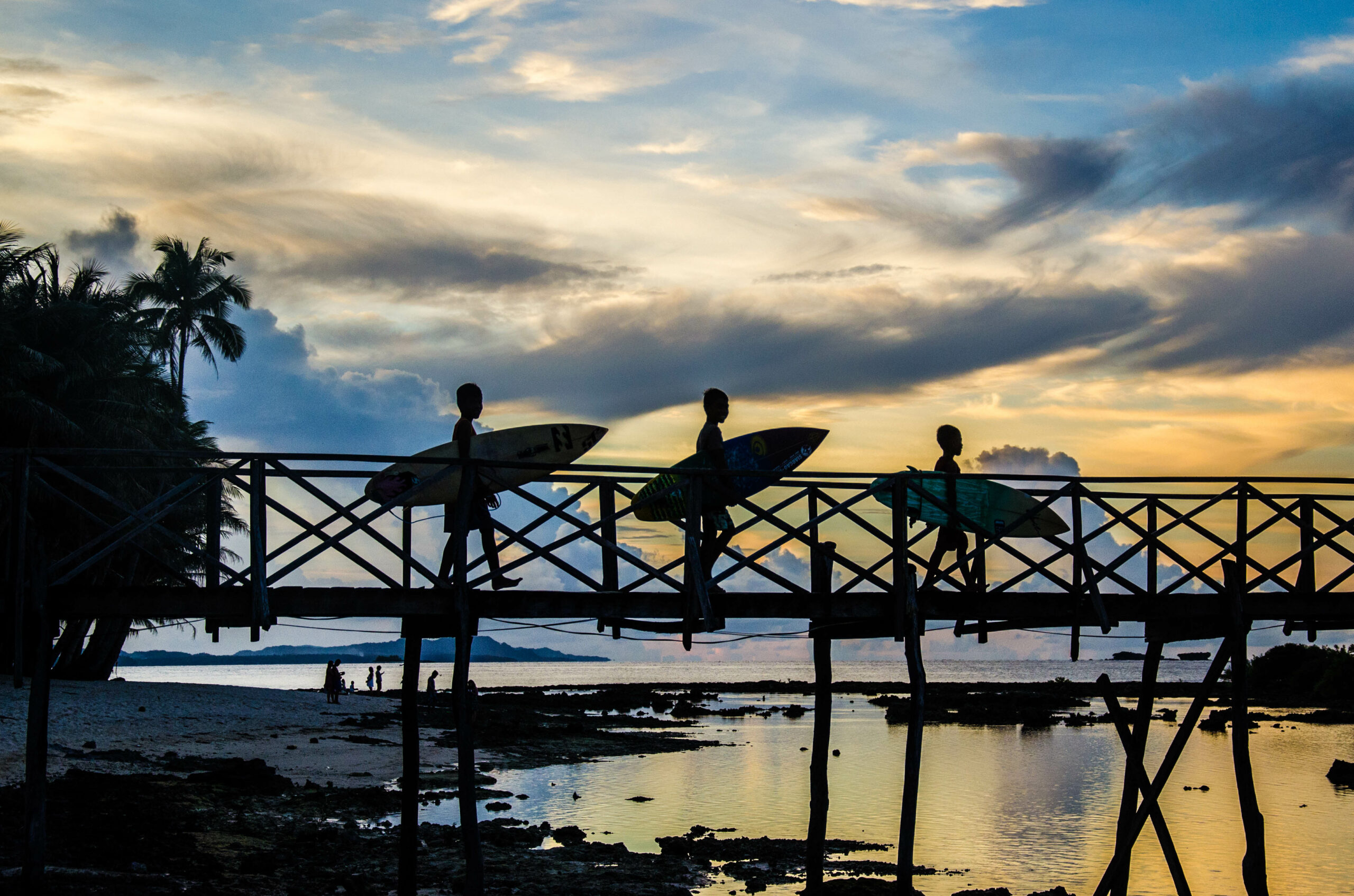
Concluding, the Philippines is not just a surfing destination but a complete sensory experience. Its blend of breathtaking natural beauty, warm and welcoming locals, rich cultural heritage, and diverse surfing spots make it a standout destination. Whether you’re riding the perfect wave at Cloud 9, exploring the underwater wonders, or indulging in the local cuisine, the Philippines promises an adventure that goes beyond the conventional surf trip. It’s a place where every day brings a new discovery, a new friend, or a new story, making it a must-visit for surfers and travelers looking for an authentic and memorable experience.