


Overview of surfing in Asia
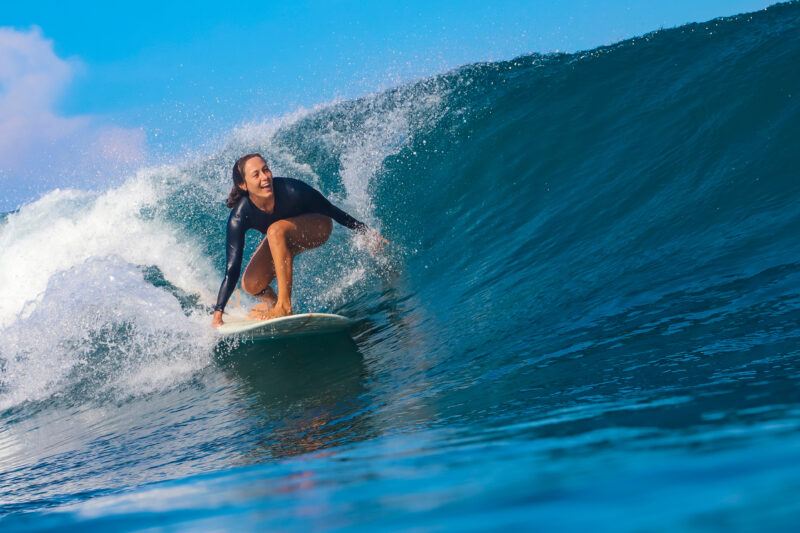
Asia is a surf wonderland, stretching from the tropical islands of the Indian Ocean to the rugged Pacific coasts of Japan. It offers everything from heavy reef barrels that test the bravest surfers to long, mellow points that invite beginners and cruisers. The region has waves for every style, but surfing here is about more than the lineup: it’s about spicy street food, scooter rides through rice fields, late-night festivals, ancient temples, and beach towns buzzing with energy.
Unlike California or Australia, where surf culture has been mainstream for decades, Asia’s surf scene is a unique blend of ancient heritage and modern surf stoke. Bali’s Bukit Peninsula has become a global surf hub with a party-meets-spiritual vibe, while Siargao in the Philippines is still raw enough that a surf trip feels like a true island adventure. Sri Lanka fuses yoga and mellow point breaks, while the Maldives combine luxury resorts with postcard-perfect reef passes.
For decades, travellers have flocked here to chase warm water, consistent swells, and a lifestyle that fuses surfing with exploration. The sheer variety is what sets Asia apart: you can ride a world-class barrel in the morning, wander through a temple complex in the afternoon, and eat $2 noodles at night. Whether you’re learning your first pop-up or chasing the wave of your life, Asia delivers.
Surf Regions in Asia

Indonesia
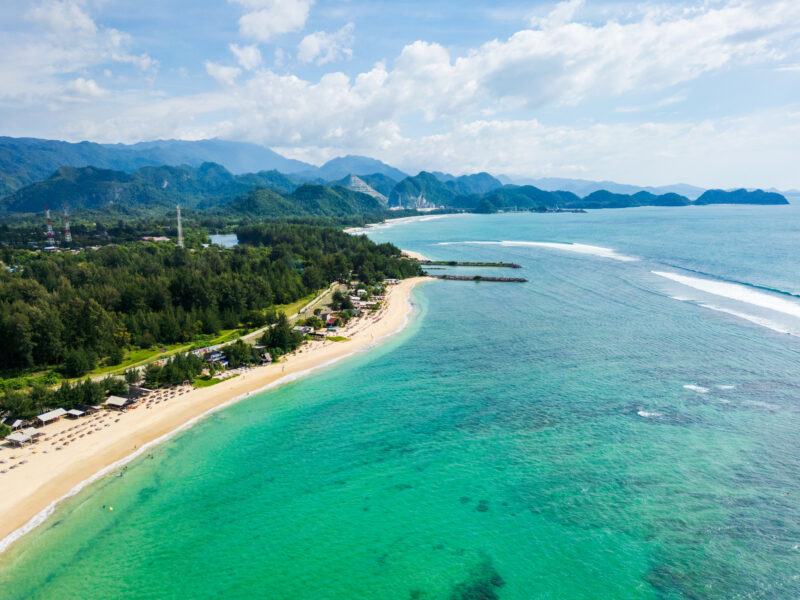
Indonesia is the heart and soul of Asian surfing, with more world-class waves than most surfers could ride in a lifetime. Located in Southeast Asia, Indonesia is part of a region renowned for its tropical climate and diverse surf destinations. Bali is the most famous, home to Uluwatu’s endless lefts, Padang Padang’s heaving barrels, and Keramas’ high-performance right-hander. The Mentawai Islands are considered the Holy Grail: a remote chain with mechanical perfection at breaks like HTs, Macaronis, Rifles, and Kandui. The Telo Islands, nearby, offer another exceptional destination for surfers seeking world-class waves with fewer crowds. Both the Mentawai and Telo Islands are known for delivering some of the best waves on the planet. Lombok boasts Desert Point, widely believed to be the longest left barrel in the world, while Sumbawa has Lakey Peak, a consistent and rippable wave with both rights and lefts.
Travel here is adventurous but relatively easy. Many international travelers reach Indonesia via Malaysia, with Kuala Lumpur serving as a major airport hub for flights to Bali and Sumatra. Scooters with board racks are everywhere, and surf camps line the coasts. The dry season (May–October) is prime, with endless Indian Ocean swells and offshore winds. Out of the water, Bali mixes surf with yoga, nightlife, art markets, and jungle adventures. The Mentawais offer remote island life, accessible by charter boats or surf resorts. It’s paradise, but expect crowds in Bali—though one boat ride away, perfection often awaits with only a handful of surfers.
Sri Lanka

Sri Lanka is Asia’s longboard and cruiser paradise, located on the Indian subcontinent, which forms a major part of South Asia. The south coast (November–April) is full of beginner-friendly points like Weligama, where surf schools dot the beach. Nearby Midigama and Mirissa offer more punchy reefs and points for intermediates. On the east coast (May–September), Arugam Bay is the jewel—a long, peeling right-hand point that runs forever and has cemented its reputation as a bucket-list wave.
Beyond surfing, Sri Lanka is a feast for the senses: colourful tuk-tuks, spicy curries, Buddhist temples, and wildlife like elephants and leopards. The vibe is laid-back, surf camps are plentiful, and the cost of living is low compared to Europe or Australia. Sri Lanka shares many cultural similarities with other South Asian countries, contributing to the region’s unique surf culture and diversity. It’s a country where surf progression is easy—you can spend weeks learning on mellow points before stepping up to more challenging reefs.
Philippines

The Philippines, with over 7,000 islands, is full of untapped surf potential. The Philippines is one of many countries in Southeast Asia with a rapidly growing surf scene. The hub is Siargao, home to Cloud 9—a shallow, heavy right-hand barrel that put the country on the global surf map. It’s one of the heaviest waves in Asia, comparable to Pipeline on its day, and hosts international competitions each year. Beyond Cloud 9, there are friendlier spots like Jacking Horse for learners and Tuason Point for advanced carvers. The country’s many islands offer a wide range of surf experiences, reflecting the diversity found across many countries in the region.
The island vibe is what sets Siargao apart: palm trees, motorbikes, karaoke bars, and surf hostels create a lively, welcoming community. Travel costs are low, food is cheap, and the people are warm. The surf is best from August to November during typhoon season, when powerful Pacific swells light up the reefs.
Maldives
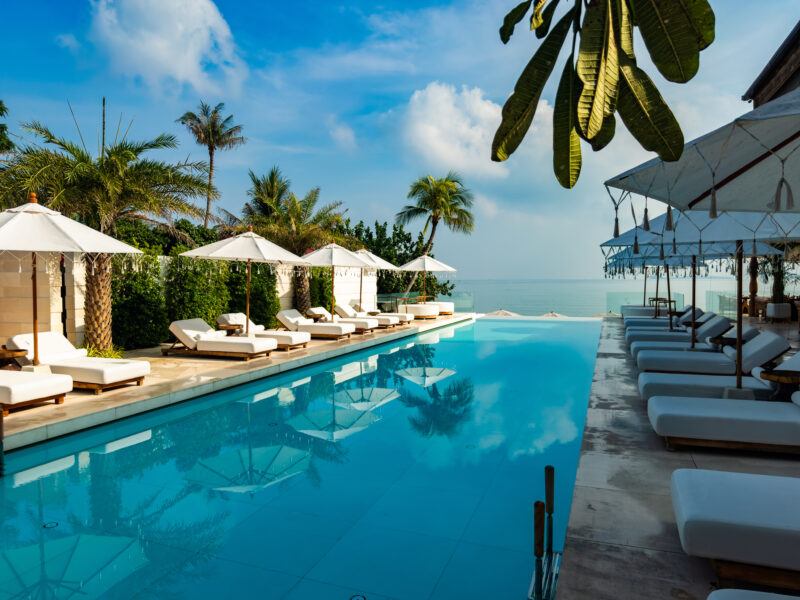
The Maldives are the luxury surf capital of Asia, with atolls full of turquoise reef passes and consistent Indian Ocean swells. The Maldives‘ location between the Indian and Pacific Oceans contributes to its consistent surf conditions. The country boasts one of the longest coastlines in the region, with countless surfable breaks scattered across its islands. Waves like Pasta Point, Sultans, Honky’s, Jailbreaks, and Chickens deliver playful walls, barrels, and long rides that suit intermediates and experts alike. Access is via resort stays or charter boats, which means lineups are often uncrowded but at a premium price.
From April to October, the southwest monsoon brings the best surf. Outside the water, the Maldives are pure paradise: overwater villas, white sand, and snorkelling in reef lagoons. It’s not a budget destination, but it’s one of the most photogenic surf trips you’ll ever take.
Japan

Japan has a surprisingly rich surf culture, with a scene dating back decades. As a key part of East Asia, Japan shares regional surf influences with neighboring countries such as South Korea, North Korea, China, and Taiwan. The Shonan Coast, just south of Tokyo, and Chiba are the most famous surf zones, producing a variety of surf breaks—including beach breaks and reefs—powered by swells from the Pacific Oceans and typhoons. Typhoon season (July–October) delivers powerful waves, and southern islands like Okinawa and Kyushu serve up warm-water perfection with far fewer crowds.
Japan’s surf culture is unique: surfers blend traditional values of respect and discipline with modern stoke. Lineups can be crowded near cities, but the scene is polite and orderly. Off the water, Japan offers sushi, onsens, neon cities, and snow-capped mountains—surf trips here feel completely different from anywhere else.
India
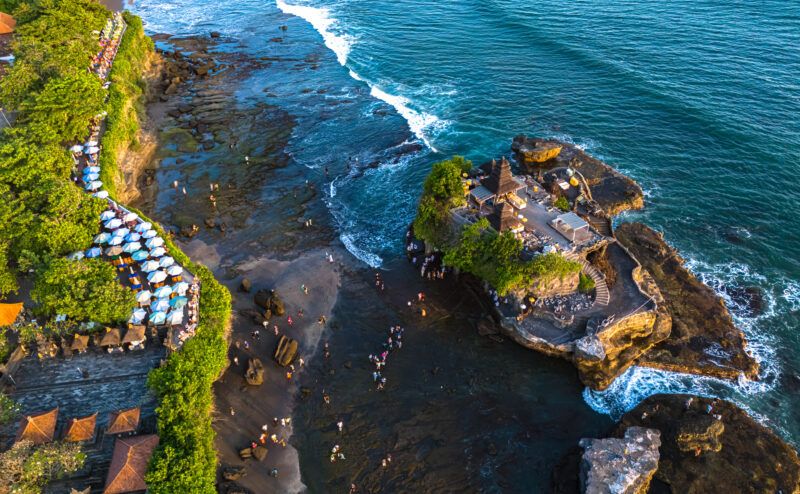
India, located on the Indian subcontinent which forms a significant part of South Asia, is still an emerging surf destination, but its coastline has huge potential. Karnataka (Mulki) and Tamil Nadu (Covelong) are centres of surf schools and growing local scenes. The waves are mellow, mostly beach breaks and soft points, perfect for learners and intermediates. Surf culture here is tied closely to yoga and spirituality, with many retreats combining surf lessons with yoga practice and Ayurvedic treatments.
India’s coastal populations are increasingly embracing surfing, reflecting trends seen in many Asian countries. India is also one of the cheapest surf destinations in Asia, with meals costing just a few dollars and accommodation at a fraction of Western prices. Festivals, vibrant coastal villages, and warm water make it an excellent choice for cultural immersion alongside surf.
Thailand
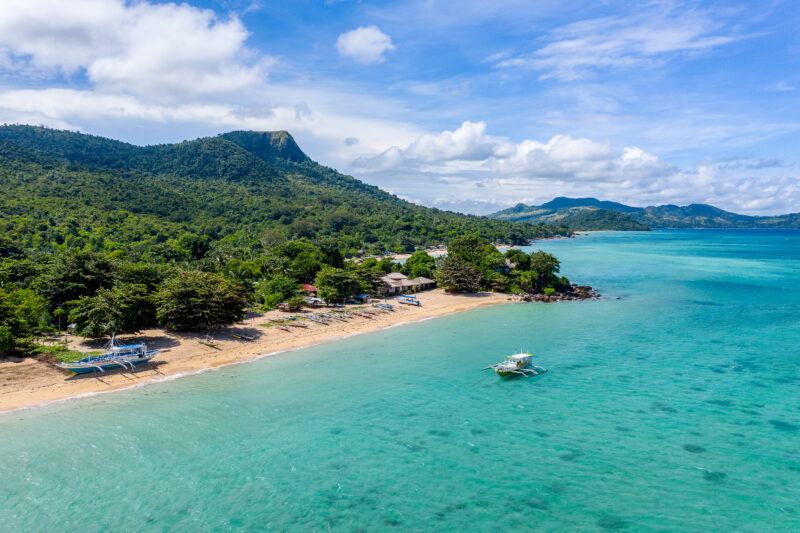
Thailand isn’t world-famous for waves, but as part of Southeast Asia—a region known for its diverse surf destinations—Phuket, Khao Lak, and Koh Phayam get fun beach breaks during the southwest monsoon (May–October). These waves are great for beginners, surf schools, and those who want to combine surfing with Thailand’s legendary nightlife, jungle treks, and island-hopping. While it won’t rival Indonesia or Sri Lanka for surf quality, Thailand’s all-around travel experience, like that of many countries in the region, offers a unique blend of surf, culture, and adventure, making it a worthy stop for adventurous surfers.
The Good
- Warm water almost everywhere year-round.
- Legendary surf spots like Uluwatu, Cloud 9, Desert Point, and Arugam Bay.
- Affordable living in Sri Lanka, Indonesia, and the Philippines.
- A huge range of waves, from heavy barrels to soft beginner rollers.
- Travel experiences that combine surfing with culture, history, and food.
- Vast cultural differences across Asian surf destinations, making each trip a unique and enriching experience.
- Asia is home to the majority of the world’s population, contributing to its vibrant and diverse surf scenes.
The Bad
- Crowds at headline spots like Bali, Siargao, and Arugam Bay.
- Tropical hazards: sharp reefs, sea urchins, dengue, and malaria in some regions.
- Seasonal surf windows—flat spells are common outside prime months.
- Travel logistics: ferries, island hops, and long drives can be part of the journey.

Getting there

Asia’s surf zones are spread across huge distances, but flights are frequent and affordable. Bali’s Ngurah Rai (DPS) is a major hub with connections across the world. Sri Lanka’s Bandaranaike (CMB) connects the south coast. Manila (MNL) and Cebu (CEB) are the gateways to Siargao. Malé (MLE) links to the Maldives, while Tokyo (HND/NRT) and Osaka (KIX) are entry points for Japan. Southern India is accessed via Chennai (MAA) or Mangalore (IXE). Kuala Lumpur in Malaysia is also a key transit point for international flights to Indonesia and Sumatra. Worth noting, booking flights with layovers in Kuala Lumpur can offer better connectivity or lower fares when traveling to these regions.
On the ground, scooters are the transport of choice in Bali and Sri Lanka, costing just a few dollars a day. The Maldives rely on charter boats and speedboats to reach reefs. Japan requires trains or car rentals, while India’s surf towns are connected by buses and trains.
Crowds
Asia’s most famous spots—Bali’s Bukit Peninsula, Cloud 9 in Siargao, and Arugam Bay in Sri Lanka—can be very crowded in peak season. The large populations of many Asian countries contribute to busy lineups at these popular surf spots. Lineups here mix pros, travellers, surf schools, and locals, which can make it hectic. The Maldives also concentrate surfers into small reef zones, though boat charters spread the numbers out. But Asia is vast—drive a few hours, hop to a neighbouring island, or explore an overlooked region, and solitude is still very possible.
Lineup Lowdown
Etiquette is essential in Asia. Understanding and respecting cultural differences is crucial for a positive surf experience, as each country has its own unique customs and traditions. In Bali and Siargao, respect local surfers, don’t snake waves, and never paddle straight to the peak. In Sri Lanka and India, the atmosphere is relaxed, but respecting locals will always earn you smiles. Reefs across Asia are fragile ecosystems—never stand on coral, and be mindful of your impact. Falling flat is essential on shallow reefs, and reef booties are a lifesaver if you’re new to reef surfing.
Surf spot overview


Surf seasons and when to go
The best time of the year to surf in Asia
Surf Seasons & When to Go
- Indonesia: May–October (dry season). Part of Southeast Asia, Indonesia experiences consistent surf during these months.
- Sri Lanka: November–April (south), May–September (east). Located in South Asia, Sri Lanka’s surf seasons are influenced by monsoon patterns.
- Philippines: August–November (typhoon swells). In East Asia, the Philippines sees surf conditions peak during typhoon season.
- Maldives: April–October. As a South Asian island nation, the Maldives offers prime surf during the southwest monsoon.
- Japan: July–October (typhoon season). In East Asia, Japan’s surf is best during the typhoon season.
- India: May–October (monsoon swells). India, in South Asia, has its main surf season during the southwest monsoon.
- Thailand: May–October (Andaman monsoon). Thailand, bordering both South and Southeast Asia, gets surf from the Andaman monsoon.
While Central Asia and West Asia are not traditional surf destinations due to their landlocked geography or arid climate, they are important regions within Asia’s diverse landscape. Surf conditions across East Asia, South Asia, Central Asia, and West Asia differ to varying degrees, mainly due to differences in climate, geography, and proximity to ocean swells.
Water Temperatures & Weather
- Indonesia, Sri Lanka, Philippines, Maldives, Thailand: 26–29°C year-round, just boardshorts or bikinis.
- Japan: Warm in summer (23–27°C), freezing in winter (8–15°C, full wetsuit or hood). The Pacific Oceans influence Japan’s surf conditions, bringing typhoon swells and shaping local weather patterns.
- India: 26–28°C, warm year-round.
Asia’s tropical climate means rain and humidity are common, especially during monsoon seasons. Typhoons and cyclones bring surf but also storms. The far north of Asia is bordered by the Arctic Ocean, which affects the climate and water temperatures in northern regions. Japan offers the rare experience of surfing in autumn with snowy mountains in the distance.
Can’t-Miss Surf Spots
Uluwatu (Bali, Indonesia)
The crown jewel of Bali, Uluwatu is a powerful left reef that peels along cliffs with multiple take-off zones. Accessed via a cave paddle-out, it’s consistent, stunning, and challenging. Best in the dry season, it’s one of the most iconic waves in Asia.
Desert Point (Lombok, Indonesia)
A legendary wave producing one of the longest barrels on earth. Desert Point is shallow, fast, and punishing, but perfection for those who can handle it. Only for experts—reef cuts are almost guaranteed.
Cloud 9 (Siargao, Philippines)
The heavy reef break that made the Philippines famous. Cloud 9 is shallow, hollow, and a magnet for typhoon swells, with powerful surf conditions generated by swells from the Pacific Oceans. A pro-level wave with an intense lineup, but spectacular to surf or even just to watch from the wooden tower.
Arugam Bay (Sri Lanka)
A mellow right-hand point that goes on forever, Arugam Bay is a classic for longboarders and cruisers, located on the eastern edge of the Indian subcontinent within South Asia. It’s a friendly lineup where travellers mix with locals, and it doubles as a backpacker hub full of yoga studios and smoothie bars.
Pasta Point (Maldives)
A turquoise reef break in the Malé Atolls, Pasta Point is mechanical, playful, and long. The Maldives‘ unique location between the Indian and Pacific Oceans ensures a steady supply of quality swells, making this spot consistently surfable. Exclusive access through nearby resorts keeps crowds low, but it’s a luxury option.
Shonan Coast (Japan)
Just south of Tokyo, the Shonan Coast is Japan’s most accessible surf zone and forms part of East Asia’s vibrant surf scene, influenced by neighbouring countries such as China, South Korea, North Korea, and Taiwan. Typhoon swells light up the variety of surf breaks along the coast, from classic beach breaks to challenging reefs, producing hollow, powerful waves. The scene is lively, with a strong surf community and easy train access from the city.

Asia surf travel guide
Find trips that fit a flexible lifestyle
Learning to Surf in Asia

Asia is ideal for beginners, with affordable surf schools available in many Asian countries due to their large and diverse populations. Weligama in Sri Lanka, Batu Bolong in Bali, Sabang in the Philippines, and Mulki in India all offer safe, sandy waves perfect for first-timers. Lessons cost a fraction of Western prices, and progression is easy with mellow conditions. Many surf schools pair lessons with yoga, meditation, and cultural immersion, creating a holistic experience.
Safety and Etiquette
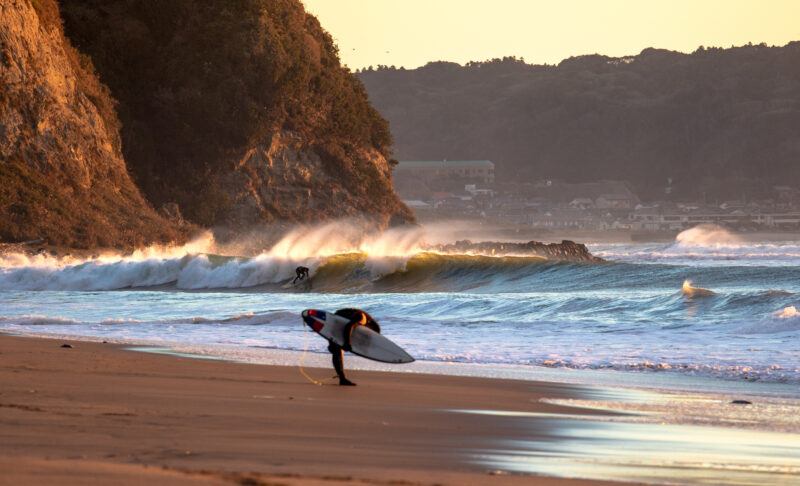
Asia’s reefs are sharp, currents strong, and tropical health risks real. Always fall flat over shallow coral, wear booties if needed, and carry a small reef-cut kit (betadine, bandages, vinegar). Currents in Indonesia and the Maldives can sweep surfers into channels quickly. Typhoon swells in the Philippines and Japan are for experienced riders only. In terms of health, dengue fever and food hygiene are concerns—stay hydrated, use mosquito repellent, and be cautious with street food until acclimated.
When it comes to etiquette, being aware of cultural differences is crucial for maintaining good relations with local surfers and communities. Respect local customs and practices both in and out of the water.
Surf and Yoga Retreats

Bali and Sri Lanka lead Asia’s surf-yoga scene. Camps offer daily surf coaching, yoga classes, meditation, and nutritious meals. The Maldives add luxury surf resorts that combine yoga decks with turquoise water views. India offers a unique twist: surf-yoga retreats infused with Ayurveda, giving surf trips a spiritual dimension.
Accommodation Options for Surfers
- Indonesia: Hostels from AU$15, surf camps AU$40–80, villas AU$120+.
- Sri Lanka: Guesthouses AU$25–50, camps AU$60–90, boutique hotels AU$120+.
- Philippines: Homestays AU$20–40, surf camps AU$50–80.
- Maldives: Resorts AU$250+, charter boats AU$200–400/day.
- Japan: Hotels AU$100+, surf lodges AU$60–90.
- India: Guesthouses AU$20–40, surf camps AU$50–70.
- Thailand: Beach hostels AU$15–30, mid-range AU$50–80.
This diversity of accommodation options reflects the wide range of travel experiences available across many countries in Asia.
Comparison to Other Surf Destinations
Asia rivals Central America for consistency, Hawaii for power, and Africa for raw adventure. As the largest continent on earth, Asia stands out among all continents for its immense surf diversity and opportunities for adventure. Bali’s surf scene is as iconic as California’s, Sri Lanka competes with Costa Rica for beginner appeal, and the Maldives rival Tahiti for reef perfection. The continent’s vast cultural differences set it apart from almost any other surf region, making trips here unforgettable both in and out of the water. Asia’s ongoing influence on the world today is evident not only in surf culture but also in its broader contributions to global society.
Expenses
- Accommodation: AU$20–250+ depending on country and style.
- Food: AU$5–20 for local meals; AU$40+ for fine dining.
- Transport: Scooters AU$7–12/day; cars AU$50–80/day; charters in Maldives AU$200–400/day.
- Surf Costs: Rentals AU$10–25/day; lessons AU$30–60/session.
Backpackers can live comfortably on AU$40–60/day in Sri Lanka or Indo, while Maldives trips can easily cost AU$400/day.
Cultural Notes
- Learn greetings: “Terima kasih” (Indonesia), “Ayubowan” (Sri Lanka), “Salamat” (Philippines), “Arigato” (Japan).
- Dress modestly outside surf towns, especially near temples and mosques.
- Food is central to the culture: nasi goreng, dal curry, sushi, pho, and ramen are all part of the experience.
- Surf scenes vary: Bali and Siargao are global hotspots, while India and Thailand are still growing.
- It’s worth noting that the name ‘Asia’ was first used by the ancient Greeks to describe the lands east of their homeland, and the continent’s boundaries with European regions have influenced its cultural and historical development.
Cell Coverage & Wi-Fi
Coverage is solid in most countries. SIM cards are cheap in Indo, Sri Lanka, and the Philippines. Japan and Thailand have excellent connectivity. The Maldives offer decent coverage, though remote atolls may be patchy. Wi-Fi is everywhere in surf towns, though speeds vary on small islands.
Final Thoughts

Asia is one of the richest, most exciting surf destinations on earth. Covering the eastern four fifths of the Eurasian landmass, Asia stretches from the Ural Mountains in the west to the Bering Strait in the east, and is bordered by the Caspian Sea and Black Sea. Russia, the largest country in the world, spans both European and Asian regions, with its Asian part contributing to the continent’s vast geographic diversity. Asia’s population makes up the majority of the world’s population, with many Asian countries adding to its immense demographic variety. About one third of Asia’s land area consists of islands, and the continent boasts the longest coastline of any continent, offering countless unique surf breaks shaped by its diverse geography.
From the far north near the Arctic Ocean to the tropical south, Asia features a wide range of surf breaks, including rivermouths, beachbreaks, and pointbreaks. Timor Leste is one of the only countries in Southeast Asia with a distinct political status, while other Asian countries display varying degrees of cultural, geographic, and political diversity among the vast majority of nations in the region. The most active place for tropical cyclones is found here, and other Asian countries offer a wide range of surf experiences for all skill levels.
From Bali’s cliff-lined lefts to the hollow barrels of Cloud 9, from Arugam Bay’s cruisy walls to the luxury perfection of the Maldives, the region has waves for everyone. Add in cultural depth, ancient history, incredible food, and endless side adventures, and you’ve got a surf trip that feels like much more than chasing waves.
Pack light, bring reef-safe sunscreen, learn a few phrases, and get ready for warm water and unforgettable rides. Asia is vibrant, welcoming, and endlessly rewarding—a surf journey you’ll never forget, and a continent whose geography and populations continue to shape the world today.