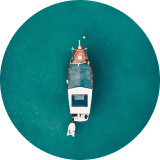
Overview of surfing in Panaitan Island

Panaitan Island is a remote, jungle-covered island off the coast of West Java, sitting inside Ujung Kulon National Park — a UNESCO World Heritage site. Known for its pristine wilderness, rare wildlife like the Javan rhinoceros, and untouched beaches, it’s also home to some of Indonesia’s most powerful and uncrowded reef breaks.
Unlike Bali or the Mentawais, Panaitan is not about touristy surf towns or beach bars. This is wild surf exploration. The waves here break over shallow reef passes, producing mechanical lefts and rights that can rival anywhere in Indo. Access is only by boat, and once you’re here, you’re living simply — camping on the beach or staying on charter boats, with nothing but jungle and waves around you.
The surf scene is low-key and core. You won’t find surf schools or groms running around — you’ll find committed surfers chasing heavy barrels, long reef walls, and perfect Indo setups without the Bali crowds. Panaitan is a true surf frontier.
Surf Regions in Panaitan Island
One Palm Point

One of the most famous waves in Panaitan, One Palm Point is a perfectly lined-up left-hander that runs for what feels like forever. It’s mechanical, powerful, and incredibly long, with sections for barrels, carves, and speed runs. The break is marked by a single sentinel palm, which serves as a visual cue for the takeoff spot. One Palm Point is renowned for its world class waves and the potential for record time tube rides that run the whole way down the point.
Illusions

Another standout left, Illusions offers fast, hollow barrels breaking over shallow reef. The wave breaks over a shallow bottom that inspires paranoia among surfers. Shorter than One Palm but more intense, it’s a wave for advanced surfers.
Napalm

A heavy right-hand reef with thick, hollow barrels. Known for its intensity, Napalm is one of Panaitan’s most challenging waves and is strictly expert-only. The wave rises fast over a stationary reef, creating funneled wave speeds and a deep takeoff zone.
Apocalypse

As the name suggests, Apocalypse is raw power — a fast, heavy left-hander that unloads over shallow reef. The wave forms over a receptive and stationary reef, producing epic waves and challenging lefts for advanced surfers. It’s not for the faint-hearted and is considered one of Indonesia’s heaviest waves outside of G-Land and Padang Padang.
Crocodiles

A more forgiving option compared to the heavy reefs, Crocodiles is a mellow right-hand point with long, peeling walls. Great for intermediates and longboarders, it’s a nice contrast to Panaitan’s heavier lineup.
The Good
- World-class reef breaks with insane barrels
- Uncrowded waves compared to Bali or Mentawais
- Variety: from mellow peelers to deadly slabs
- Natural beauty: pristine beaches, lush jungle, and unspoiled landscapes surround Panaitan Island
- Unique setting inside a protected national park
- Adventure vibes and the chance to explore the protected national park and its surf breaks
The Bad
- Remote and expensive to access
- Dangerous, shallow reefs — not beginner-friendly
- No surf infrastructure — you need to be self-sufficient
- Wildlife and bugs can be intense
- Medical help is far away
- Consult a doctor to ensure you bring suitable medications and provisions for the tropical climate and remote conditions

Getting there

Getting to Panaitan is part of the adventure. Panaitan Island’s remote location is a key part of its appeal—it is located within Ujung Kulon National Park and is accessible only by boat. Most surfers fly into Jakarta, then drive 6–8 hours to the western tip of Java (Sumur or Carita). From there, boats make the crossing to Panaitan, which takes another 2–4 hours depending on conditions.
Most surf trips are arranged via boat charter or surf charters, such as Dreaming Surf Charters, which provide comprehensive services including guiding, meals, and accommodation. These surf charters anchor near breaks and offer a seamless experience for travelers. Land-based camping is possible but basic, with no facilities beyond what you bring. Expect to pay AU$2,000–4,000 for a week-long surf charter including transfers, food, and guiding.
Bookings for these charters should be made in advance due to limited availability.
Crowds

The beauty of Panaitan is how empty it is. On a busy day, you might share One Palm with a handful of other surfers. Often, you’ll be surfing with just your crew. The remoteness and cost keep crowds low, making it one of the few Indo surf regions where you can still score empty perfection.
Panaitan remains one of Indonesia’s secret surf destinations, known only to a select group of adventurous surfers.
Lineup Lowdown
Lineups here are serious. Locals don’t surf — the only surfers are travelers on charter trips, and everyone knows the risks. Etiquette is generally good, with surfers respecting each other’s space. At heavy spots like Napalm and Apocalypse, the vibe is even more serious — only paddle out if you’re confident.
Having an experienced crew with local knowledge of the region is essential for both safety and finding the best waves. Many surf charters employ an expert crew to ensure a high-quality and safe surfing experience.
Surf seasons and when to go
The best time of the year to surf in Panaitan Island
Surf Seasons and When to Go
The prime surf season is April to October, during the dry season when strong Indian Ocean swells consistently hit Indonesia. Wind direction and strength play a crucial role in wave quality at Panaitan Island, with strong offshore winds during this period helping to create perfect, hollow waves ideal for advanced surfers. The early months of the surf season, such as March and April, can offer optimal conditions with fewer crowds. This is when Panaitan lights up with long-period swells that create perfect reef setups.
November to March is the wet season, with less consistent swell, onshore winds, and stormy weather. Trips are rare during this time.
Water Temperatures and Weather
Water temps are tropical, averaging 27–29°C year-round — boardshorts and bikinis are all you need. Air temps are 28–32°C, humid, and often buggy. The dry season is the most comfortable, while wet season brings heavy rains and rough seas.
Due to the intense tropical sun, it’s important to use sun protection like sunscreen and hats when spending time outdoors.
Can’t-Miss Surf Spots
One Palm Point
The crown jewel of Panaitan, One Palm is a world-class left-hander that runs for hundreds of metres. Perfectly mechanical, it offers barrels, sections for turns, and long rides that rival Jeffreys Bay. It’s best on mid-to-large swells with clean conditions.
Illusions
A hollow, barreling left that breaks fast and heavy over shallow reef. It’s shorter and punchier than One Palm but packs more intensity. Strictly for advanced surfers.
Napalm
This right-hand reef is heavy, thick, and shallow. Known for mutant barrels, it’s one of the most dangerous waves in Panaitan. Expert-only, with serious wipeout potential.
Apocalypse
A deadly left-hander that lives up to its name. Thick lips, shallow reef, and brutal wipeouts define Apocalypse. It’s one of the heaviest waves in Indonesia, suited only to pros and chargers.
Crocodiles
A mellow, forgiving right point that offers long, peeling walls. Perfect for intermediates and longboarders, Crocodiles balances out the island’s heavy reef breaks with something cruisier.
Discover the variety and challenge of Panaitan’s world-class surf spots, each offering unique waves and unforgettable experiences.

Panaitan Island surf travel guide
Find trips that fit a flexible lifestyle
Learning to Surf in Panaitan Island

Panaitan is not a beginner destination. The only semi-friendly wave is Crocodiles, but even there, the remoteness and reef hazards make it better suited for intermediates. There are no surf schools or rentals — you need to bring your own gear and skills.
Don’t forget to pack suitable fins for the different wave conditions on Panaitan Island, as they are essential for optimal performance and safety.
Safety and Etiquette

Panaitan is raw and dangerous. Shallow reefs, strong currents, and heavy waves are the norm. Cuts and injuries are common, and medical help is hours away. Helmets, reef boots, and a well-stocked medical kit are recommended.
Etiquette is straightforward: respect your crew, share waves, and don’t paddle out if you’re not ready. At spots like Apocalypse, hesitation or mistakes can be life-threatening.
Surf and Yoga Retreats

Unlike other Indonesian surf destinations that feature organised surf camp infrastructure—community-based, eco-friendly retreats offering surfing, lodging, and outdoor activities—Panaitan does not have any surf camp facilities. Unlike Bali or Lombok, Panaitan doesn’t have surf-yoga retreats. This is a pure surf expedition zone. However, charter boats often include yoga mats and downtime sessions, with a focus on recovery and relaxation between heavy sessions.
Accommodation Options for Surfers
- Charter boats: AU$2,000–4,000 per week (all-inclusive)
- Basic camping: AU$50–100/day (bring your own gear, food, and supplies)
- Eco-expeditions: AU$1,500–3,000 per week (guided groups with conservation focus)
Comparison to Other Surf Destinations
Panaitan is like a hybrid between G-Land and the Mentawais. It has the heavy, perfect reef waves of Indo but without the crowds or infrastructure. Compared to Bali, it’s raw and remote. Compared to the Mentawais, it’s less polished but just as heavy. It’s not for learners — it’s for surfers chasing adventure and empty perfection.
Panaitan stands out as one of Indonesia’s most unique and challenging surf destinations, offering pristine waves and a true wilderness experience.
Expenses
- Accommodation: AU$2,000–4,000 for a charter trip, AU$50–100/day for camping
- Food: Included in charters, AU$10–20/day if self-catering locally
- Transport: Private car to Sumur AU$150–200, boat transfer AU$200–400
- Surf Costs: Bring your own gear; no rentals or lessons available
- Extras: Tips for guides/boat crews AU$100–200 for a week
Cultural Notes
Panaitan sits inside Ujung Kulon National Park, so respect for the environment is critical. You’ll share space with wildlife like monkeys, monitor lizards, and rare species. There are no permanent local villages on the island, but your boat crew will likely be from nearby West Java communities. Basic Bahasa Indonesia goes a long way, and tipping your guides is appreciated.
Cell Coverage and Wi-Fi
There’s no cell coverage or Wi-Fi on Panaitan. Once you leave the mainland, you’re completely offline. Satellite phones are recommended for emergencies.
Final Thoughts

Panaitan Island is one of the last raw surf frontiers in Indonesia. With waves like One Palm Point, Illusions, Napalm, and Apocalypse, it’s a proving ground for advanced surfers and a paradise for those who dream of empty perfection. For anyone dreaming of the ultimate surf adventure, Panaitan offers a truly unforgettable experience.
It’s not easy, cheap, or safe — but that’s the point. If you want a polished surf holiday, stick to Bali. If you want heavy Indo surf with zero crowds, Panaitan is the trip of a lifetime.